Confidence is an important part of a student’s personal and academic development. While traditional classroom activities can help students gain knowledge, real-world experiences can give them opportunities to test their abilities in new situations. Adventure education programs PA provide students with experiences that encourage them to step outside their comfort zones, solve problems, work with others, and take responsibility for their decisions. Through carefully planned outdoor activities, students can discover strengths they may not have recognized in themselves and develop greater confidence that can carry into school, relationships, and everyday life.
What Is Adventure-Based Learning?
Adventure-based learning is an educational approach that uses outdoor activities, challenges, and experiential experiences to help students learn through participation. Instead of simply listening to a lesson or reading instructions, students become directly involved in the learning process.
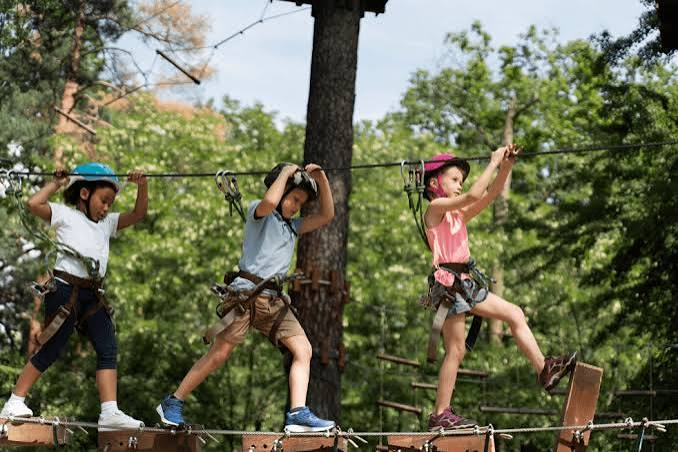
Activities may include hiking, climbing, team challenges, ropes courses, outdoor problem-solving exercises, camping, and other structured experiences. Each activity is designed with learning objectives in mind. Students are encouraged to communicate, make decisions, manage challenges, and reflect on what they have experienced.
The goal is not simply to complete an outdoor activity. The bigger purpose is to help students develop practical skills and understand how those skills apply to situations beyond the program.
Stepping Outside the Comfort Zone
One of the biggest ways adventure-based learning builds confidence is by encouraging students to step outside familiar surroundings.
Students may hesitate when they are faced with a new challenge. They may wonder whether they can climb a particular obstacle, navigate a trail, speak up during a team activity, or complete a task without immediate assistance. These moments can initially feel uncomfortable, but they also provide opportunities for growth.
When students successfully complete something they once thought was difficult, they gain evidence that they are capable of handling challenges. That experience can change how they view themselves.
Instead of thinking, “I cannot do this,” students begin to think, “This is difficult, but I can figure it out.”
That shift in mindset is a valuable foundation for confidence.
Learning Through Real Experiences
Adventure-based learning gives students the chance to learn by doing. This can make lessons more meaningful because students experience the results of their choices directly.
For example, a group may need to complete a challenge that requires planning and communication. If the students do not communicate effectively, the group may struggle. They then have an opportunity to reassess their approach, listen to one another, and try again.
This process teaches students that mistakes are not necessarily failures. They can be opportunities to learn and improve.
When students understand that they can make adjustments and try again, they often become more comfortable taking on new challenges. This resilience contributes directly to stronger self-confidence.
Building Problem-Solving Skills
Confidence is closely connected to a person’s ability to approach problems without immediately giving up. Adventure activities naturally create situations where students need to think critically and find solutions.
A group might need to determine the best way to cross an obstacle, follow directions on a trail, organize resources, or complete a team challenge within a certain amount of time.
There may not be one obvious answer. Students have to discuss possibilities, consider consequences, and make decisions.
As they solve these problems, students gain confidence in their ability to think independently. They learn that they do not always need someone else to provide the solution. Sometimes they already have the skills needed to work through the situation.
Encouraging Leadership
Adventure-based activities can also give students opportunities to develop leadership skills.
Leadership does not always mean being the loudest person in a group. A good leader may be someone who listens carefully, encourages others, organizes the team, or remains calm when a challenge becomes difficult.
Outdoor learning environments can reveal these different leadership qualities. Students who may not usually take leadership roles in a classroom may find themselves contributing valuable ideas during an outdoor challenge.
This gives students a chance to recognize their own abilities while also learning how to support their peers.
Developing Communication and Teamwork
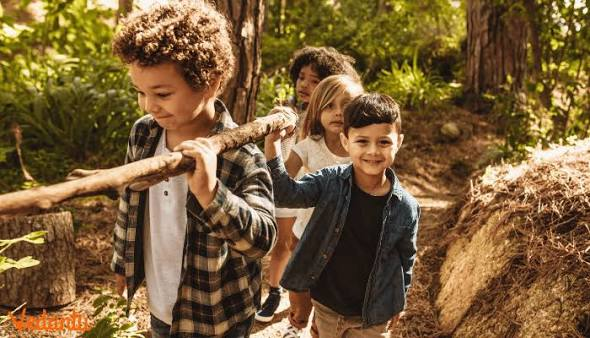
Many adventure activities are designed around teamwork. Students must communicate clearly, listen to others, share responsibilities, and work toward a common goal.
These experiences can help students become more comfortable expressing their opinions and asking for help when they need it.
At the same time, students learn that confidence does not mean doing everything independently. Knowing when to rely on teammates is also an important skill.
When students successfully work together to overcome a challenge, they experience a sense of shared achievement. This can strengthen both individual confidence and trust within the group.
Turning Mistakes Into Learning Opportunities
Students sometimes avoid challenging situations because they are afraid of making mistakes. Adventure-based learning can help change that attitude.
Outdoor activities often involve trial and error. A team may try one approach and discover that it does not work. Instead of stopping there, instructors can encourage students to reflect, adjust their strategy, and try again.
This teaches an important lesson: making a mistake does not define your ability.
Students begin to understand that improvement often comes from trying, evaluating, and trying again. Over time, this can make them more willing to participate in unfamiliar activities and take healthy risks in their learning.
Increasing Independence
Another important benefit is the development of independence. Adventure-based learning allows students to make decisions and take responsibility within a structured and supervised environment.
Whether they are preparing for an outdoor activity, helping plan a route, completing a team task, or managing personal responsibilities during an overnight experience, students have opportunities to practice independence.
Completing these responsibilities can give students a stronger sense of ownership. They begin to recognize that their choices and actions can have meaningful results.
That sense of responsibility can eventually transfer into academic work, extracurricular activities, and everyday life.
Creating Positive Memories
Positive experiences can have a lasting influence on confidence. Students may remember completing a difficult challenge with classmates, reaching a destination after a long hike, solving a complicated team problem, or encouraging someone else through an obstacle.
These memories become reminders of what they can accomplish.
A student who remembers overcoming a difficult outdoor challenge may be more willing to approach another difficult situation at school. The specific activity may be different, but the underlying lesson remains the same: challenges can be managed with effort, patience, teamwork, and determination.
Helping Students Discover Their Strengths
Not every student shines in the same environment. Traditional academic settings may highlight certain abilities, while outdoor learning can reveal others.
A student who struggles to speak during classroom discussions might excel at organizing a group activity. Another student might demonstrate excellent navigation skills, while someone else becomes the person who motivates the team when others feel discouraged.
Adventure-based learning creates different opportunities for students to contribute.
Discovering these strengths can have a meaningful effect on self-esteem. Students begin to see themselves as capable individuals with valuable skills rather than defining themselves only by academic performance.
A Positive Environment for Personal Growth
Effective adventure-based programs are structured around safety, encouragement, and meaningful challenges. Students are not simply pushed into difficult situations without support. Activities should be appropriate for their age and abilities, with trained instructors providing guidance when needed.
This balance is important. Students need enough challenge to experience growth, but they also need an environment where they feel supported.
When students know that mistakes are part of learning and that support is available, they may feel more comfortable taking on challenges that initially seem intimidating.
Give Students the Opportunity to Grow Through Adventure
For schools, educators, parents, and youth organizations looking for meaningful ways to support student development, outdoor learning can provide much more than recreation. Outdoor adventure camps give students opportunities to challenge themselves, build relationships, practice leadership, solve problems, and experience the satisfaction of accomplishing something difficult. A thoughtfully designed adventure program can turn everyday challenges into valuable learning experiences while helping students develop confidence that can benefit them long after the activity ends.
Conclusion
Adventure-based learning helps students build confidence by giving them opportunities to experience challenges firsthand. Through problem-solving, teamwork, leadership, communication, independence, and reflection, students can develop a stronger belief in their own abilities.
The most valuable lesson may be that confidence does not always come before a challenge. Often, it develops because students are willing to face the challenge, make mistakes, keep trying, and eventually discover that they are capable of more than they expected.
FAQs
1. How does adventure-based learning improve student confidence?
Adventure-based learning allows students to overcome real challenges, make decisions, solve problems, and experience success. These experiences can help students recognize their abilities and become more confident when facing unfamiliar situations.
2. What activities are included in adventure-based learning programs?
Activities can vary by program but may include hiking, climbing, ropes courses, camping, navigation exercises, team-building challenges, outdoor problem-solving activities, and other experiential learning experiences.
3. Can adventure-based learning help shy students?
Yes. Structured outdoor activities can provide shy students with different ways to participate and contribute. Working in small teams can also help them practice communication and leadership in a supportive environment.