
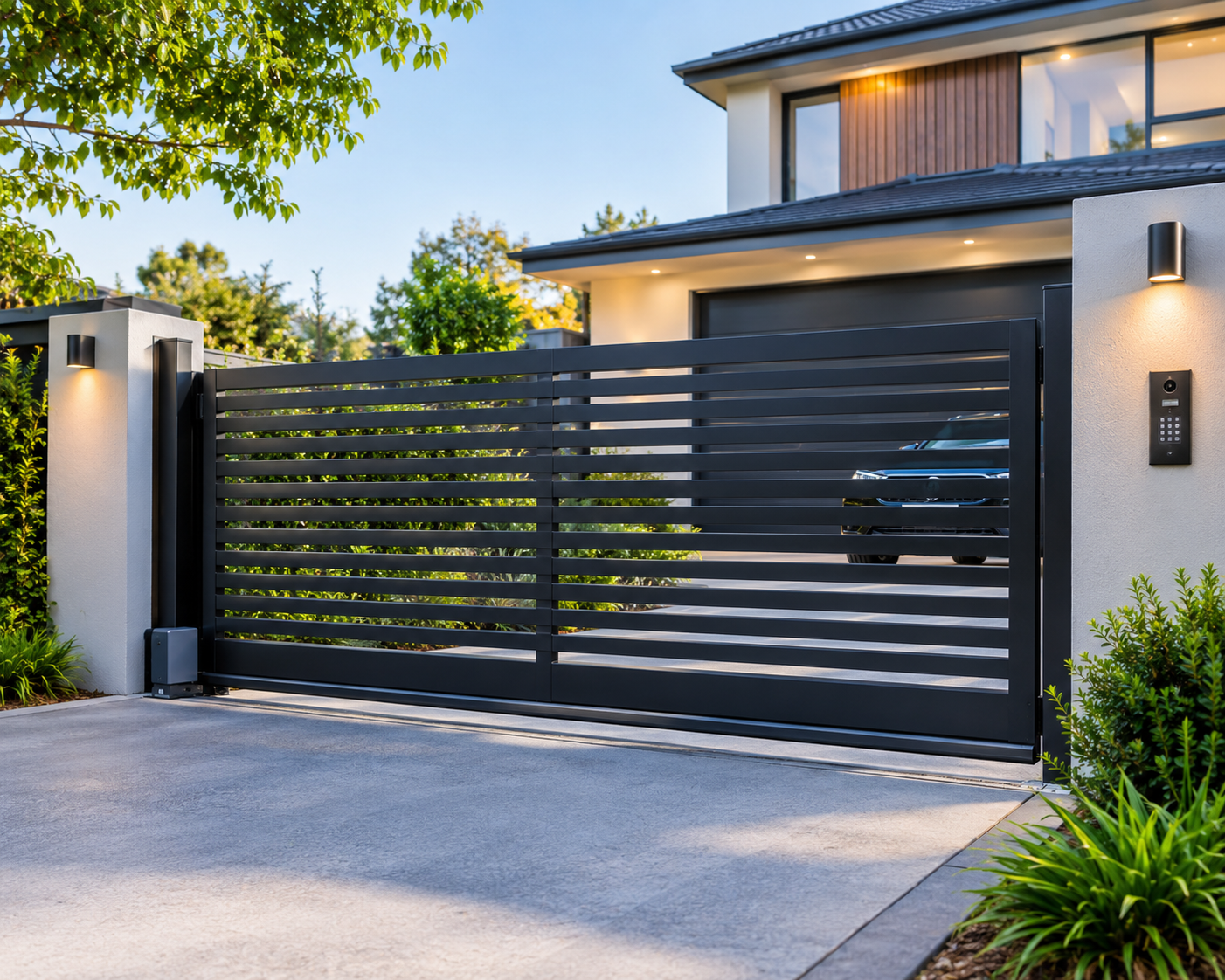
Have you ever pulled up to your driveway in the rain, fumbling with keys while getting soaked? Or perhaps you’ve wondered how some properties manage to look so sleek and secure with their impressive entrances? What if there was a way to boost both your home’s security and its kerb appeal in one smart move?
Automatic gates have become increasingly popular across Australian properties, and it’s easy to see why. These motorized gates offer the perfect blend of convenience, security, and modern aesthetics that today’s homeowners are looking for. Whether you’re tired of manually opening heavy gates or you’re concerned about who’s accessing your property, a gate automation system could be the answer you’ve been searching for.
In this guide, we’ll walk you through everything you need to know about automatic gate installation for modern properties. From understanding the different types of automated driveway gates available to breaking down the costs and installation process, we’ve got you covered. You’ll learn how to choose the right electric driveway gate for your specific needs, what maintenance looks like, and how to handle any repairs that might pop up along the way. Let’s get stuck into it!
Why Homeowners Are Choosing Motorized Gates
The shift towards motorized gates isn’t just a passing trend—it’s a reflection of how Australians are prioritising both convenience and security. With busy lifestyles becoming the norm, the simple act of pressing a button to open your gate driveway rather than stepping out of your car has genuine appeal.
Security concerns have also driven this change. A motorized gate for driveway use acts as a physical barrier and psychological deterrent to would-be intruders. Many modern systems integrate with intercoms, cameras, and smart home technology, giving you complete control over who enters your property.
Beyond practicality, there’s the undeniable aesthetic boost. Automatic gates create a strong first impression and can significantly increase your property’s value. Estate agents consistently report that homes with electric gates attract more interest from buyers.
.jpg)
Types of Automatic Driveway Gates
Automatic Sliding Gates
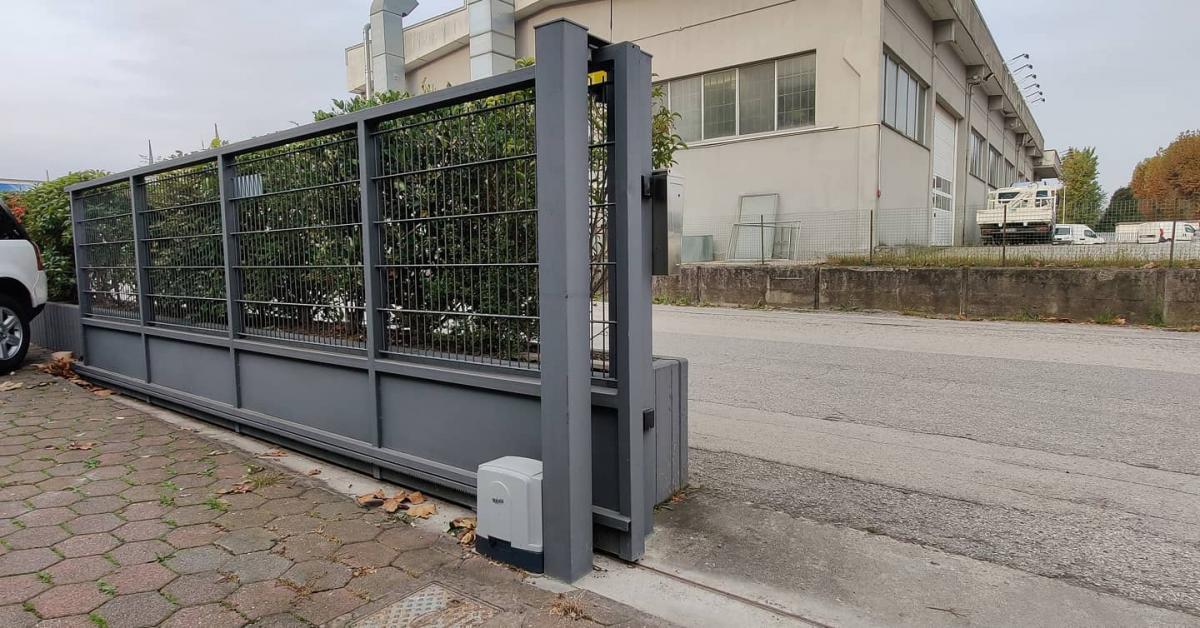
Automatic sliding gates Melbourne homeowners frequently choose are perfect for properties where space is at a premium. These gates move horizontally along a track, making them ideal when your driveway slopes or when you don’t have room for gates to swing open.
The main benefits include their suitability for wider driveways and their ability to handle steeper gradients. They’re also generally more wind-resistant than swing options. However, you’ll need adequate space along your fence line for the gate to slide into when fully open.
Site considerations are crucial here. Your installer will assess the ground conditions, as sliding gates require a level track area. They’ll also check for any obstructions like trees or garden beds that might interfere with the gate’s movement.
Swing Gates and Electric Driveway Gates
When most people picture automatic gates, they’re thinking of swing gates. These classic options open inward or outward, much like a door. You can choose between single and double swing configurations depending on your driveway width.
Single swing gates work brilliantly for narrower entrances, while double swing options create that grand entrance feel for wider driveways. Many homeowners opt for driveway gates with pedestrian access—a smaller gate built into or beside the main gate for foot traffic. This means you won’t need to open the entire gate just to check the letterbox.
Electric driveway gates in this style suit properties with flat approaches and plenty of clearance space. Keep in mind you’ll need room for the full arc of the gate’s swing.
Commercial Gates for Business Properties
Commercial gates Melbourne businesses require differ significantly from residential options. High-traffic environments demand more robust mechanisms, faster operation speeds, and often integration with access control systems like key cards or number plates recognition.
If you’re considering commercial gates, think about peak usage times and how quickly you need vehicles to move through. Heavy-duty motors and reinforced construction are essential for gates that might open and close hundreds of times daily. Safety features become even more critical in commercial settings where multiple users interact with the system.
How Much Do Automatic Driveway Gates Cost?
Let’s address the question everyone wants answered: automatic driveway gates cost varies significantly depending on several factors. Electric driveway gates prices in Australia typically range from $3,000 for basic single swing gates to $15,000 or more for high-end custom installations.
Your gate automation system cost will depend on the gate type, size, materials, motor quality, and any additional features like intercoms or smart home integration. Sliding gates generally cost more than swing gates due to their more complex mechanism and track requirements.
Custom driveway gates represent a higher investment but offer unique designs that perfectly match your property’s architecture. If you’re after something that truly stands out, custom options let you choose specific materials, patterns, and finishes. The extra investment often pays off in terms of durability and aesthetic impact.
Understanding Gate Automation Systems
How Does a Motorized Gate Work?
A motorized gate operates through an electric motor connected to your gate via arms, wheels, or chains, depending on the design. When you press your remote or enter a code, the motor receives the signal and moves the gate accordingly.
Power gates for driveways include several key components: the motor unit, control box, safety sensors, and access devices like remotes or keypads. The control box is essentially the brain of the operation, processing signals and ensuring everything runs smoothly.
When considering driveway gate automation, you’ll encounter manual override options (essential during power outages), fully automated systems with timers, and smart systems you can control from your phone. Many modern gates and automation setups connect to your home’s Wi-Fi, letting you monitor and operate your gate from anywhere.
Choosing the Right Automatic Gate for Your Property
What type of automatic gate is best for a residential driveway? The answer depends on your specific situation. Start by assessing your gate driveway layout—measure the width, check the gradient, and note any space limitations.
For sloping driveways, sliding gates often work better. Flat driveways with plenty of space suit swing gates beautifully. Consider your property’s style too; a sleek aluminium sliding gate might look out of place on a heritage home, while ornate wrought iron could be perfect.
Security features to look for include anti-lift devices for sliding gates, obstacle detection sensors, and manual release mechanisms. Integration with video intercoms adds another security layer, letting you see and speak with visitors before granting access.
The Installation Process for Automated Driveway Gates
During electric gate installation, expect the process to take anywhere from one to three days depending on complexity. Your installer will first prepare the site, which might involve concreting posts or laying tracks for sliding gates.
Do you need council approval for an automatic gate in Australia? In most cases, yes—particularly if you’re installing a new gate rather than automating an existing one. Check with your local council about height restrictions, setback requirements, and any heritage overlays that might affect your plans.
Preparation tips include clearing the installation area, ensuring power supply access, and confirming any underground services are marked. Your installer should provide a detailed timeline and keep you informed throughout the process.
Maintaining Your Motorized Gate for Driveway Use
How often should automatic gates be serviced? Most manufacturers recommend professional servicing annually, with basic checks monthly. Regular maintenance keeps your gate operating smoothly and extends its lifespan significantly.
Common issues include squeaky hinges, slow operation, and sensor misalignment. Many of these you can address yourself with lubrication and basic adjustments. However, for anything involving electrical components or motor issues, it’s wise to call for professional auto gate repair.
Electric gate repairs can range from simple fixes like replacing remote batteries to more complex motor replacements. Knowing when to DIY and when to call the experts saves both time and money in the long run.
Automatic Gate Repairs and Troubleshooting
Signs your gate automation needs attention include unusual noises, inconsistent operation, or the gate reversing unexpectedly. Don’t ignore these warning signs—addressing issues early prevents costly automatic gate repairs down the track.
Finding reliable automatic gate repair services means checking reviews, asking for recommendations, and choosing technicians familiar with your specific gate brand. Many installers offer ongoing maintenance packages that include priority call-outs for electric gate repairs.
Extending the lifespan of your electric gates comes down to regular maintenance, prompt auto gate repairs when needed, and protecting components from extreme weather where possible.
Is an Automatic Gate Right for Your Modern Property?
After exploring all aspects of automatic gate installation, the decision ultimately comes down to your specific needs and circumstances. Automatic driveway gates offer undeniable benefits: enhanced security, improved convenience, and increased property value. For many Australian homeowners, these advantages far outweigh the initial investment.
Consider your daily routine, security priorities, and budget when making your choice. If you’re regularly in and out of your property, the convenience of gates automation becomes invaluable. Those in areas with higher crime rates might find the security benefits alone justify the cost.
Whether you opt for automatic sliding gates Melbourne style, elegant swing gates, or robust commercial gates, you’re investing in your property’s future. Take time to research installers, compare quotes, and choose a system that’ll serve you well for years to come. Your future self—dry and comfortable while your gate glides open—will thank you for it!


