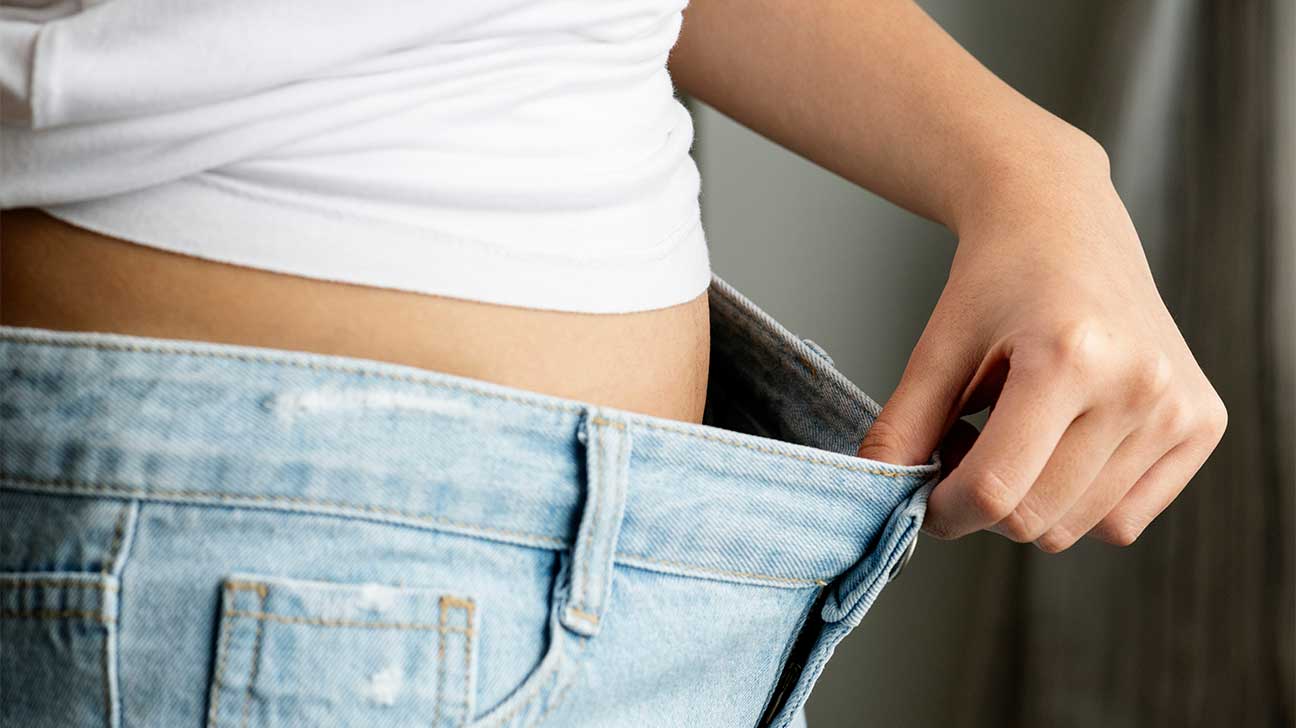
Fat removal surgery is a body-contouring procedure designed to reduce localized fat deposits that may remain resistant to diet and exercise. It is not generally considered a substitute for weight-loss treatment. Instead, it can be used to refine specific areas where excess fat affects body proportions or contour. Understanding what happens before, during, and after treatment can help individuals approach the procedure with realistic expectations.
The journey begins well before the surgical procedure itself. A detailed consultation allows the surgeon to assess the areas of concern, discuss medical history, evaluate skin quality, and determine whether surgery is appropriate. The treatment plan may vary depending on the amount and location of unwanted fat, skin elasticity, and the individual’s overall health.
Fat Removal Surgery can involve different approaches to fat removal, including traditional liposuction and technology-assisted methods. The appropriate technique depends on the individual’s anatomy and the surgeon’s assessment rather than on the popularity of a particular device.
Recovery is another important part of the process. Temporary swelling, bruising, tenderness, and changes in sensation can occur, while the final contour develops progressively as the body heals. Choosing a properly qualified surgical team and understanding the limitations of the procedure are therefore essential.
For anyone considering Fat Removal, knowing each stage can make the experience more predictable and support better-informed decisions.
Understanding the Consultation Stage
The first stage involves a comprehensive consultation with a qualified surgeon. During this appointment, the surgeon examines the areas where fat reduction is being considered and discusses the individual’s expectations.
Medical history, previous procedures, medications, allergies, smoking status, and general health may all be relevant. The surgeon may also assess skin elasticity because removing fat from an area with limited skin elasticity can produce a different contour compared with treating firmer skin.
The consultation is also an opportunity to discuss the technique, anesthesia, potential risks, recovery requirements, and expected changes. A responsible consultation should not focus solely on achieving a particular body shape. It should establish whether the procedure is medically and aesthetically suitable.
Planning the Treatment
Once the procedure is considered appropriate, the surgeon develops an individualized treatment plan. This can include identifying the treatment areas, determining the amount of fat that may reasonably be removed, and selecting the most appropriate surgical approach.
Treatment planning is particularly important when several areas are being considered. The objective is generally to create balanced contours rather than simply remove as much fat as possible.
Preoperative instructions may also be provided. Depending on the procedure and the patient’s medical circumstances, these can include guidance concerning medications, smoking, fasting, laboratory tests, and arrangements for transportation and recovery support.
What Happens During Fat Removal Surgery
On the day of treatment, the surgical team prepares the patient according to the planned procedure and anesthesia. The surgeon typically marks the treatment areas before surgery to help guide the contouring process.
The exact surgical technique varies. In liposuction-based procedures, small access points are created and specialized instruments are used to loosen and remove targeted fat. Some techniques use energy-assisted technology to facilitate fat disruption or improve tissue management.
The amount of fat removed is carefully controlled. More removal does not necessarily mean a better result. Excessive removal can affect contour, symmetry, and safety, which is why surgical judgment is central to the procedure.
After the targeted areas have been treated, the access points are managed according to the surgical technique. Compression garments may be recommended in appropriate cases to support the healing process and help manage postoperative swelling.
What the Early Recovery Can Be Like
The immediate recovery period varies according to the extent of surgery and the areas treated. Patients may experience swelling, bruising, soreness, tightness, or temporary numbness.
These effects can make the treated area appear different from the eventual result. Early swelling can obscure the underlying contour, so judging the outcome immediately after surgery is generally inappropriate.
The surgical team provides specific recovery instructions based on the procedure. These may cover movement, wound care, bathing, medications, compression garments, and follow-up appointments.
Light movement is often encouraged when medically appropriate, while strenuous activity may need to be restricted temporarily. Recovery should always follow the surgeon’s individual instructions rather than a generic timeline.
How the Results Develop
The visible change after fat removal surgery usually develops progressively. Swelling gradually decreases, tissues settle, and the treated area’s contour becomes clearer.
The final result may take weeks or longer to appreciate fully, depending on the procedure and individual healing response. Weight stability can also matter because substantial future weight gain or loss may alter the body’s contours.
Fat cells removed from the treated area are physically eliminated, but remaining fat cells elsewhere can still enlarge with weight gain. Maintaining a stable, healthy lifestyle therefore remains relevant after surgery.
Dynamic Life Clinic
Dynamic Life Clinic can be considered by individuals researching providers for body-contouring procedures and Fat Removal. A consultation should focus on the patient’s specific anatomy, the surgeon’s qualifications, the technique being proposed, and whether the expected outcome is realistic.
Patients should also ask how the surgical team approaches safety, anesthesia, postoperative monitoring, and follow-up. These factors are important when evaluating any surgical body-contouring service.
Tajmeels Clinic
Tajmeels Clinic is another name individuals may encounter when researching aesthetic and cosmetic procedures. For anyone considering fat reduction, the consultation should establish whether the patient’s concerns are better addressed through surgical fat removal or another form of body contouring.
A detailed discussion about the treatment area, skin quality, recovery period, possible complications, and expected degree of improvement can help patients understand what the procedure can realistically achieve.
Enfield Royal Clinic
Enfield Royal Clinic can be included among the providers considered during research into Fat Removal and body-contouring procedures. A useful consultation should go beyond discussing the desired appearance and examine the patient’s overall suitability for treatment.
Patients should ask about the surgeon’s experience with the proposed procedure, the technology or technique being used, anesthesia arrangements, safety protocols, and postoperative follow-up. Clear communication about realistic outcomes is particularly important because fat removal is intended to improve body contours rather than guarantee a specific body shape.
Estheticare Clinic Dubai
Estheticare Clinic Dubai may also be considered when researching aesthetic treatment options. Prospective patients should evaluate whether the proposed approach is appropriate for their particular treatment area and whether the medical team provides a sufficiently detailed assessment before surgery.
The consultation should cover the expected contour changes, possible temporary and longer-term effects, recovery requirements, and circumstances in which an alternative procedure may be more suitable.
Zulekha Hospital
Zulekha Hospital represents a hospital-based option that individuals may research when exploring surgical care. When considering a hospital setting for fat reduction, patients can ask about the qualifications of the surgical team, anesthesia services, preoperative assessment, emergency preparedness, and postoperative monitoring.
The suitability of a provider ultimately depends on the individual surgeon and treatment plan, so patients should assess the specific team responsible for their care rather than relying solely on the reputation of an institution.
How to Choose the Right Clinic for Fat Removal
Experience and Qualifications
The surgeon’s qualifications and relevant experience should be among the first considerations. Patients should confirm that the practitioner is appropriately trained and experienced in the proposed body-contouring procedure.
Experience with similar anatomical areas can also be valuable because different parts of the body require different approaches to contouring.
Technology and Techniques
Modern technology can support certain surgical techniques, but equipment alone does not determine treatment quality. Patients should understand why a particular method has been recommended and what evidence or clinical reasoning supports its use.
The surgeon should explain the procedure in understandable terms rather than presenting technology as a guarantee of superior results.
Safety Standards
Safety should remain a priority throughout the process. Patients should ask where the procedure will be performed, what type of anesthesia is planned, how complications are handled, and what postoperative monitoring is available.
A thorough medical assessment before surgery is also important for identifying factors that could affect treatment or recovery.
Consultation Process
A good consultation should provide enough time for questions and discussion. Patients should receive clear information about the proposed procedure, limitations, potential risks, recovery, and alternatives.
Being encouraged to ask questions is a positive sign. Patients should be cautious of consultations that focus mainly on promises of dramatic or guaranteed outcomes.
Patient Experience
Practical aspects of care can influence the overall treatment experience. Clear communication, accessible follow-up, organized postoperative instructions, and appropriate support can make the recovery process easier to navigate.
Patients should understand who to contact if they develop concerns after surgery and when routine follow-up appointments will take place.
Expected Results
Realistic expectations are essential. Fat removal surgery can improve localized contours, but it does not eliminate every possible source of unevenness or create a universally defined body shape.
Results can also vary because of skin elasticity, healing, body composition, lifestyle, and the amount and location of fat treated.
Frequently Asked Questions
Is Fat Removal Surgery the Same as Weight-Loss Surgery?
No. Fat removal surgery is primarily intended for localized body contouring. It is not generally designed to treat obesity or replace comprehensive weight-management strategies.
Which Areas Can Be Treated?
Depending on the patient’s anatomy and the surgical technique, commonly treated areas may include the abdomen, flanks, thighs, hips, arms, back, and other areas with localized fat deposits. Suitability must be determined during an individual consultation.
Is Fat Removal Surgery Painful?
Discomfort, soreness, tightness, and tenderness can occur after surgery. The level of discomfort varies according to the treatment area, surgical extent, individual sensitivity, and recovery response.
How Long Does It Take to See Results?
Some contour changes may become noticeable relatively early, but swelling can temporarily hide the outcome. The treated areas generally become more defined as healing progresses, with the final appearance taking longer to develop.
Can Fat Return After Surgery?
The fat cells removed during surgery do not simply grow back in the same form. However, remaining fat cells can enlarge with significant weight gain, potentially changing the overall body contour. Maintaining a stable weight can help preserve the surgical improvement.
Conclusion
Fat removal surgery involves much more than the procedure itself. The process begins with patient assessment and treatment planning, continues through carefully performed surgery, and extends into recovery and follow-up. Understanding these stages helps individuals develop realistic expectations and make informed choices.
The most appropriate approach depends on individual anatomy, skin quality, health status, treatment goals, and the surgeon’s professional assessment. Careful provider selection, clear communication, appropriate safety measures, and realistic expectations all contribute to a responsible treatment journey.
For individuals exploring Fat Removal the goal should be informed body contouring rather than simply removing the greatest possible amount of fat. A qualified medical professional can determine whether surgery is appropriate and explain the potential benefits, limitations, and risks before treatment begins.