
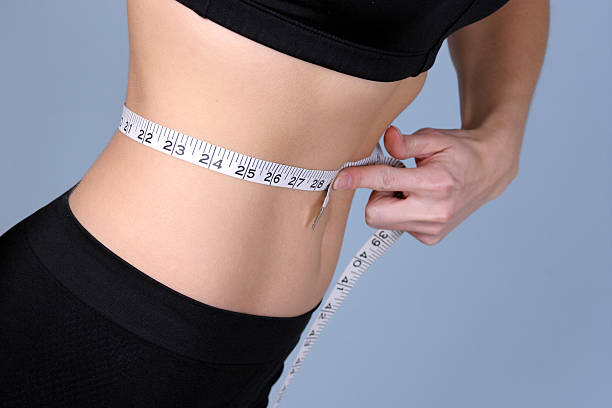
Managing excess weight is about more than changing appearance or reaching a particular number on the scale. Weight can influence several aspects of physical health, including blood sugar regulation, blood pressure, mobility, cardiovascular wellness, and metabolic function. For people exploring medical weight-management options, Weight Loss Injection in Abu Dhabi may offer additional support when used as part of an appropriate treatment plan. Certain injectable medications can help regulate appetite and support weight reduction, which may contribute to improvements in health conditions and factors associated with excess weight.
What Is Weight-Related Health?
Weight-related health refers to the ways body weight and body composition can influence overall physical well-being. Carrying excess weight, particularly over an extended period, may increase the likelihood of metabolic and cardiovascular challenges.
Weight-related health can involve factors such as blood glucose, blood pressure, cholesterol, waist circumference, physical mobility, and energy levels. Improving these areas can be an important objective of comprehensive weight management.
This means successful weight management should not be measured solely by how much weight is lost. Improvements in physical function and metabolic health can also represent meaningful progress.
How Can Weight Loss Injections Support Health?
Certain injectable weight-management treatments work by influencing biological pathways involved in appetite, fullness, digestion, and food intake. By helping regulate hunger, they may make it easier for suitable individuals to reduce their overall food intake and achieve weight loss.
As excess weight decreases, the body may experience improvements in several weight-related health factors. The extent of these improvements varies between individuals, but even moderate weight reduction can be meaningful for some people.
The potential health benefits therefore come from a combination of the treatment’s effects on appetite and the broader changes associated with reducing excess body weight.
Can Weight Loss Improve Blood Sugar Regulation?
Excess weight can be associated with insulin resistance, which can make it more difficult for the body to regulate blood glucose effectively. This is particularly relevant for people at increased risk of developing type 2 diabetes.
Weight reduction can support improved insulin sensitivity and glucose management in appropriate individuals. Certain injectable treatments also influence hormonal pathways connected to glucose regulation, making them relevant to both weight management and metabolic health.
For people with weight-related metabolic concerns, achieving and maintaining a healthier weight can therefore be an important part of improving their overall health profile.
Can Weight Loss Support Healthier Blood Pressure?
Body weight can influence cardiovascular function, and excess weight is associated with an increased likelihood of elevated blood pressure. Reducing excess weight may help lessen some of the strain placed on the cardiovascular system.
Weight loss achieved through a structured treatment plan may therefore contribute to healthier blood pressure levels in some individuals. Regular physical activity and balanced nutrition can provide additional support.
This demonstrates why weight-management treatment can have benefits beyond body size. Improvements in cardiovascular health can be an important part of a successful long-term strategy.
Can Weight Loss Improve Cholesterol Levels?
Cholesterol and triglycerides are commonly considered when evaluating metabolic health. Excess weight may be associated with unfavorable changes in these blood lipid measurements.
Weight reduction, combined with healthier dietary and activity patterns, may contribute to improvements in certain cholesterol and triglyceride levels. These changes can support a healthier metabolic profile.
Weight loss injections may help make this process more achievable for some individuals by reducing hunger and supporting lower food intake. However, nutrition remains an essential component of maintaining healthy metabolic function.
Can Weight Loss Improve Physical Mobility?
Carrying excess weight can place additional stress on joints and make everyday movement more difficult. Activities such as walking, climbing stairs, or exercising may become more demanding as body weight increases.
Reducing excess weight can make movement more comfortable for many people and may support greater physical activity. As mobility improves, individuals may find it easier to become more active, creating a positive cycle that supports further improvements in fitness.
Better mobility is an important health outcome because physical activity contributes to cardiovascular fitness, muscle strength, balance, and overall quality of life.
Can Weight Loss Help Reduce Abdominal Fat?
The distribution of body fat can be relevant to metabolic health. Excess abdominal fat is particularly associated with an increased risk of metabolic problems.
When overall body weight decreases, abdominal fat may also decline. Changes in waist circumference can therefore provide another useful measure of progress alongside body weight.
Weight loss injections may support overall fat reduction by helping suitable individuals manage appetite and maintain lower calorie intake. However, individual changes in body composition can differ, so progress should be evaluated as a whole.
How Does Appetite Control Contribute to Better Health?
Persistent hunger can make it difficult to maintain healthy eating habits. Even when someone understands the importance of balanced nutrition, strong appetite signals may encourage larger portions or frequent eating.
Certain injectable treatments can influence appetite and satiety, potentially helping individuals feel satisfied with less food. This may make it easier to establish healthier eating patterns and maintain an appropriate calorie intake.
Better appetite control can therefore contribute indirectly to health improvements by supporting sustainable weight reduction and healthier daily behaviors.
Does Weight Loss Injection Replace Healthy Lifestyle Habits?
No. Injectable treatment should generally be viewed as one component of a broader weight-management approach. Healthy nutrition and regular physical activity remain important for improving and maintaining overall health.
A balanced diet can provide essential nutrients while supporting appropriate energy intake. Physical activity can improve cardiovascular fitness, muscle strength, mobility, and metabolic function.
When treatment is combined with sustainable lifestyle habits, individuals may be better positioned to maintain weight-related health improvements over time.
Can Weight Loss Injections Support Long-Term Health Goals?
For suitable individuals, certain injectable treatments may be used as part of longer-term weight management. This can be particularly relevant when maintaining weight reduction is an important health objective.
Long-term weight management focuses on preserving improvements rather than simply achieving an initial reduction. Continued attention to nutrition, activity, and appetite management can help support this process.
Regular evaluation is also valuable because health goals and individual circumstances can change. A treatment plan may need to be reassessed over time to ensure that it remains appropriate and aligned with the person’s objectives.
How Should Progress Be Measured?
Weight is an important measure, but it is not the only indicator of improved health. Changes in waist circumference, physical activity, mobility, blood pressure, blood glucose, and other metabolic markers may provide additional information.
A person may experience meaningful improvements even when weight loss appears gradual. For example, being able to move more comfortably or maintain healthier eating patterns can represent important progress.
Taking a broader view of weight-related health can make treatment goals more meaningful and encourage sustainable lifestyle changes.
Is Weight Loss Injection a Complete Health Solution?
A weight loss injection is not a complete solution on its own. Its potential role is to support appetite regulation and weight reduction, while other aspects of health require continued attention.
Nutrition, physical activity, sleep, stress management, and regular health monitoring can all contribute to long-term well-being. Treatment can make certain aspects of weight management easier, but lasting health improvements generally require a comprehensive approach.
The most effective strategy is one that addresses both the biological and lifestyle factors that influence weight and overall health.
Supporting Better Weight-Related Health
Weight loss injections may improve weight-related health for suitable individuals by supporting appetite regulation and meaningful weight reduction. As excess weight decreases, improvements may occur in areas such as blood sugar regulation, blood pressure, cholesterol, mobility, waist circumference, and overall metabolic health.
However, the benefits vary from person to person. Treatment works best when incorporated into a broader plan that includes nutritious eating, regular physical activity, and realistic long-term goals.
Ultimately, the value of weight management extends far beyond the number on a scale. By focusing on metabolic function, physical ability, cardiovascular health, and sustainable habits, individuals can work toward a healthier future while using appropriate treatment as part of their overall strategy.
FAQs
Can weight loss injections improve overall health?
They may support health improvements by helping suitable individuals reduce excess weight and manage appetite.
Can they support blood sugar control?
Weight reduction and certain treatment mechanisms may contribute to healthier blood glucose regulation.
Can weight loss improve blood pressure?
Reducing excess weight may support healthier blood pressure levels in some individuals.
Can injections improve mobility?
Weight reduction can make movement easier for many people and may encourage greater physical activity.
Are lifestyle changes still important?
Yes. Healthy eating and regular physical activity remain important for achieving and maintaining weight-related health improvements.

