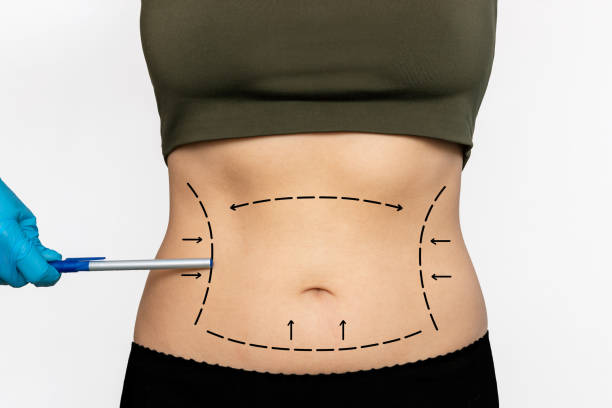
A lower belly pouch can remain noticeable even after weight loss, regular exercise, or pregnancy. It may result from a combination of excess skin, stretched abdominal tissues, localized fat, or changes in the abdominal wall. For people considering Tummy Tuck Surgery in Abu Dhabi understanding what causes the lower abdominal bulge is an important part of deciding whether abdominoplasty may be appropriate. Tummy tuck surgery is designed to reshape the abdomen by removing selected excess skin and, when suitable, tightening weakened abdominal tissues, which can significantly improve the appearance of a lower belly pouch.
What Is a Lower Belly Pouch?
A lower belly pouch generally refers to a noticeable fullness or fold in the lower abdominal area, particularly below the navel. It can have different causes, so its appearance is not necessarily an indication of excess body weight.
Pregnancy may stretch the abdominal skin and muscles, while significant weight loss can leave behind loose tissue. Natural aging can also reduce skin elasticity. In some people, localized fat contributes to lower abdominal fullness, while in others, excess skin and changes in the abdominal wall are the primary factors.
Understanding the underlying cause is essential because different concerns may require different approaches.
How Can a Tummy Tuck Reduce a Lower Belly Pouch?
A tummy tuck can reduce a lower belly pouch by directly addressing excess abdominal skin and, when appropriate, underlying abdominal wall laxity. During abdominoplasty, selected excess skin is removed, and the remaining tissue is repositioned to create a smoother abdominal contour.
When weakened or separated abdominal muscles contribute to the pouch-like appearance, muscle repair may also be incorporated into the procedure. Improving the underlying structure can help create a flatter and firmer-looking midsection.
The result is not simply a reduction in tissue. The procedure is carefully planned to improve the overall proportions and contour of the abdomen.
Can a Tummy Tuck Remove Lower Abdominal Skin?
Yes. Removing excess skin is one of the primary purposes of a tummy tuck. When the lower abdominal skin has been significantly stretched and does not retract naturally, surgical removal can provide a more effective way to address the loose tissue.
The amount of skin that can be removed depends on individual anatomy, skin elasticity, the location of excess tissue, and the selected surgical approach. Some people have a relatively small amount of lower abdominal laxity, while others have more extensive excess skin extending across the abdomen.
What Causes a Lower Belly Pouch After Pregnancy?
Pregnancy can produce several changes that contribute to a lower abdominal pouch. As the abdomen expands, the skin stretches and may not completely return to its previous tightness after childbirth. The abdominal muscles may also become stretched or separated.
Even after returning to a stable weight, these changes can remain visible. A tummy tuck may address both excess skin and selected changes in the abdominal wall, helping create a flatter and more structured abdominal contour.
Individuals considering future pregnancies may wish to think carefully about timing because another pregnancy can stretch the abdominal tissues again.
Can a Tummy Tuck Address Muscle Separation?
In suitable cases, yes. Muscle separation or abdominal wall laxity can contribute to a protruding appearance, even when the amount of excess fat is relatively limited.
A tummy tuck can incorporate abdominal muscle repair when an assessment shows that the muscles have become weakened or separated. Strengthening the underlying abdominal structure can complement the removal of excess skin and contribute to a flatter-looking lower abdomen.
However, not everyone with a lower belly pouch has muscle separation. The appropriate approach depends on the individual’s anatomy.
Can Exercise Get Rid of a Lower Belly Pouch?
Exercise can strengthen the abdominal muscles and support overall body composition, but it cannot remove substantial amounts of excess skin. This distinction is particularly important after pregnancy or significant weight loss.
Someone may have strong abdominal muscles but still have loose skin that creates a lower belly pouch. In such circumstances, exercise and tummy tuck surgery address different aspects of abdominal appearance.
A healthy lifestyle remains valuable, but surgical body contouring may be considered when excess skin is the primary concern.
Is a Tummy Tuck a Treatment for Lower Abdominal Fat?
A tummy tuck is primarily designed to address excess skin and abdominal wall changes rather than serve as a primary fat-reduction procedure. If localized fat is the main reason for lower abdominal fullness, another form of body contouring may be more relevant.
Some abdominal concerns involve a combination of excess skin and localized tissue. During an individualized assessment, the different factors contributing to the lower belly pouch can be evaluated to determine whether abdominoplasty is an appropriate option.
Who May Benefit From a Tummy Tuck?
Tummy tuck surgery may be considered by adults who are generally healthy, have a relatively stable weight, and are concerned about persistent excess abdominal skin or abdominal wall changes.
It is generally more appropriate for people who have already made substantial progress toward their desired weight rather than those seeking significant weight reduction. Stable weight is important because major changes afterward can alter the abdominal contour.
Realistic expectations are equally important. The aim is to improve the abdominal profile while maintaining proportions that suit the individual’s natural body structure.
Can a Tummy Tuck Make the Lower Abdomen Firmer?
Yes. Removing excess skin can make the surface of the lower abdomen appear tighter, while addressing abdominal wall laxity can improve the underlying support.
The combination may create a firmer and smoother lower abdominal contour. However, the degree of firmness varies depending on skin quality, muscle condition, age, body proportions, and the amount of excess tissue present.
A natural result generally focuses on creating a balanced contour rather than making the abdomen unnaturally rigid.
What Happens to the Lower Belly During Recovery?
The lower abdomen changes progressively during recovery. Immediately following surgery, the tissues require time to heal and settle, so the initial appearance may not reflect the final contour.
As recovery progresses, swelling decreases and the abdominal tissues gradually adapt to their new position. Patients are generally advised to resume normal activities gradually and follow their individualized postoperative instructions.
Patience is important because the final abdominal shape develops over time rather than immediately after the procedure.
Can the Lower Belly Pouch Return?
The skin removed during a tummy tuck does not simply grow back. However, the remaining abdominal tissues can change over time. Significant weight fluctuations and pregnancy can stretch the skin and abdominal wall again.
Maintaining a relatively stable weight can help preserve the improved abdominal contour. Future pregnancy should also be considered when determining whether the timing of surgery is appropriate.
Why Is an Individual Assessment Important?
A lower belly pouch can have different causes in different people. Excess skin, muscle separation, localized fat, or a combination of these factors may contribute to the appearance.
An individualized assessment can help determine which factors are most relevant and whether a tummy tuck can realistically address them. It also allows the surgical approach to be tailored to the person’s abdominal anatomy and desired contour.
Final Thoughts
Can tummy tuck surgery reduce a lower belly pouch? For appropriately selected individuals, it can provide significant improvement when the pouch is primarily related to excess skin or abdominal wall changes. By removing selected loose skin and addressing weakened abdominal tissues when appropriate, abdominoplasty can create a flatter, smoother, and firmer-looking lower abdomen.
The procedure is not primarily intended for weight loss or isolated fat reduction. Understanding what is causing the lower belly pouch is therefore essential before considering treatment. With realistic expectations and an individualized approach, tummy tuck surgery can be an effective option for refining the lower abdominal contour.
FAQs
Can a tummy tuck completely remove a lower belly pouch?
A tummy tuck can substantially reduce a lower belly pouch when excess skin and abdominal wall laxity are major contributing factors. The degree of improvement depends on individual anatomy and the amount of tissue that can be addressed.
Is a lower belly pouch always caused by excess fat?
No. A lower belly pouch can result from excess skin, weakened abdominal muscles, localized fat, or a combination of these factors. Identifying the underlying cause is important when considering treatment.
Can tummy tuck surgery help with a post-pregnancy belly pouch?
Yes. A tummy tuck can address excess skin and certain abdominal muscle changes that remain after pregnancy, potentially creating a flatter and firmer abdominal contour.
Can exercise remove loose skin from a lower belly pouch?
Exercise can strengthen the abdominal muscles but generally cannot remove substantial excess skin. When loose skin is the primary concern, a body-contouring procedure may address it more directly.
Can the lower belly pouch return after a tummy tuck?
The removed skin does not grow back, but significant weight changes, pregnancy, and natural aging can affect the remaining abdominal tissues. Maintaining a stable weight can help support the improved contour over time.