Introduction
Skin pigmentation can make the complexion appear uneven, affecting how bright, smooth, and balanced the skin looks. Many factors can influence how well pigmentation concerns respond to professional care, including the type of pigmentation, skin characteristics, treatment approach, consistency, and daily skin protection. When considering Pigmentation treatment in Abu Dhabi, understanding these factors can help create realistic expectations and support better treatment planning. Pigmentation can develop for different reasons, so the same approach may not produce identical results for everyone.
Understanding Skin Pigmentation
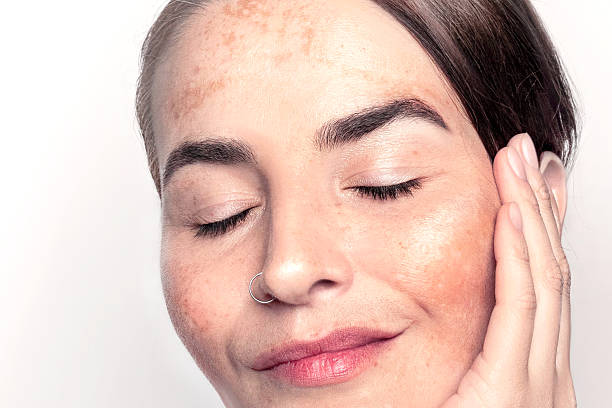
Pigmentation refers to changes in the color of the skin caused by variations in melanin, the natural pigment responsible for skin tone. It can appear as small dark spots, larger patches, uneven areas, or widespread discoloration. Common concerns include sun-related pigmentation, post-acne marks, melasma, and other forms of hyperpigmentation.
The nature of the pigmentation plays an important role in determining how it responds to treatment. Some pigmentation is closer to the surface of the skin, while other forms may involve deeper layers. Deeper or more persistent pigmentation can require a more carefully planned approach and may take longer to improve.
Type and Depth of Pigmentation
One of the most important factors affecting treatment results is the type of pigmentation being addressed. Superficial discoloration may respond differently from pigmentation that extends deeper into the skin.
A professional assessment can help determine the characteristics of the pigmentation and guide the selection of an appropriate treatment approach. Understanding whether the concern is related to sun exposure, hormonal changes, previous blemishes, or another factor can also influence the overall treatment strategy.
Individual Skin Characteristics
Every person’s skin has different characteristics. Natural skin tone, sensitivity, texture, hydration, and pigmentation patterns can all influence treatment results. Skin with different levels of melanin may respond differently to certain pigmentation-focused procedures.
Individual skin characteristics are therefore considered when determining how treatment should be approached. A personalized plan can help ensure that the treatment method is appropriate for the person’s specific pigmentation concerns rather than applying the same approach to every complexion.
Treatment Selection
The chosen pigmentation treatment can have a major influence on visible results. Different approaches are designed to address different pigmentation patterns and skin concerns. Some focus primarily on surface discoloration, while others are intended to work more deeply within the skin.
Selecting a treatment based on the actual pigmentation concern is important. A suitable approach should match the type, location, depth, and overall appearance of the pigmentation. Treatment selection can also be adjusted according to the skin’s characteristics and the desired improvement.
Consistency With the Treatment Plan
Consistency is another important factor. Pigmentation rarely changes instantly, and the skin may need time to respond to a carefully planned treatment program. Following the recommended treatment schedule allows the skin to progress through its natural renewal process.
Maintaining consistency can also make it easier to evaluate changes over time. When treatment sessions or recommended skincare routines are followed regularly, progress can be assessed more clearly and adjustments can be considered when appropriate.
Skin Renewal and Natural Healing
The skin naturally renews itself over time. This renewal process plays an important role in how pigmentation gradually becomes less noticeable. New skin cells replace older cells, while changes in melanin distribution can influence the appearance of dark areas.
Individual renewal rates differ, meaning that some people may notice visible changes sooner than others. Age, skin condition, hydration, and general skin characteristics can all contribute to differences in the pace of visible improvement.
Sun Exposure and Skin Protection
Sun exposure is a significant factor in pigmentation management. Ultraviolet radiation can stimulate melanin production and may make existing discoloration more noticeable. Continued exposure can therefore influence how well pigmentation-focused treatments maintain their results.
Protecting the skin from excessive sun exposure is an important part of maintaining a more even complexion. Consistent sun protection can support the progress achieved through professional pigmentation care and help reduce the likelihood of new areas of discoloration becoming prominent.
Lifestyle and Daily Skin Care
Daily skincare habits can also influence the appearance of pigmentation. Keeping the skin adequately moisturized and maintaining a consistent skincare routine can support overall skin quality.
The products used should be suitable for the individual’s skin characteristics. A simple and consistent routine is often easier to maintain than frequently changing products. Maintaining healthy skin can create a better environment for pigmentation-focused treatment and help preserve improvements over time.
Hormonal and Internal Factors
Some forms of pigmentation can be influenced by hormonal changes. Melasma, for example, can be associated with hormonal factors and may behave differently from pigmentation caused primarily by sun exposure or previous blemishes.
When internal factors contribute to pigmentation, results may vary over time. Understanding the possible underlying influences can help establish realistic expectations and guide a more suitable approach to pigmentation management.
Age and Skin Condition
Age can influence the way skin responds to treatment. Younger skin may have a different renewal pattern compared with mature skin, while changes in collagen, hydration, and texture can affect how pigmentation appears.
The overall condition of the skin is also relevant. Skin that is well maintained and adequately hydrated may have a different treatment response from skin that is significantly dry or uneven in texture. These characteristics can be considered when developing an individualized approach.
Location of Pigmentation
The location of pigmentation can affect its appearance and treatment response. Facial areas may have different skin thickness, texture, and exposure patterns. Pigmentation around the cheeks, forehead, upper lip, chin, or other areas can therefore require different considerations.
Understanding where pigmentation occurs helps determine the most appropriate way to address it while maintaining a balanced appearance across the surrounding skin.
Realistic Expectations
Expectations can strongly influence how treatment results are perceived. Pigmentation treatment generally focuses on improving the appearance of discoloration rather than instantly creating completely uniform skin.
The amount of improvement can vary according to pigmentation depth, skin characteristics, treatment selection, and consistency. Having realistic expectations allows progress to be evaluated according to gradual changes rather than expecting immediate transformation.
Importance of Professional Assessment
A proper assessment provides useful information about the pigmentation pattern and the characteristics of the skin. It can help distinguish between different forms of discoloration and determine which treatment approach may be most appropriate.
Assessment also allows treatment goals to be discussed clearly. Factors such as skin tone, pigmentation depth, previous treatment history, and daily sun exposure can all contribute to a more personalized plan.
Maintaining Results Over Time
Pigmentation management does not necessarily end when visible improvement is achieved. Maintaining a consistent skincare routine and protecting the skin from excessive sun exposure can help preserve a more even-looking complexion.
Long-term maintenance is especially important for pigmentation that is influenced by recurring factors. Regular attention to skin protection and overall skin care can support lasting improvements.
Conclusion
The results of pigmentation treatment can be influenced by many factors, including the type and depth of pigmentation, individual skin characteristics, treatment selection, consistency, natural skin renewal, sun exposure, hormonal influences, age, and daily skincare habits. Because pigmentation concerns vary from person to person, a personalized approach can provide a more suitable path toward improving uneven skin tone. Understanding these factors also helps establish realistic expectations and supports a consistent approach to achieving a brighter and more balanced-looking complexion.
FAQs
What is the most important factor affecting pigmentation treatment results?
The type and depth of pigmentation are among the most important factors. Different forms of pigmentation can respond differently depending on whether the discoloration is superficial or deeper within the skin.
How long does pigmentation treatment take to show results?
The timeline varies between individuals. Skin renewal, pigmentation depth, treatment selection, and consistency can all affect how quickly visible improvement develops. Some people may notice gradual changes while others require a longer treatment period.
Can skin type affect pigmentation treatment results?
Yes. Natural skin tone, melanin levels, sensitivity, texture, and hydration can influence how the skin responds to pigmentation-focused treatment. These characteristics are considered when selecting an appropriate approach.
Does sun exposure affect pigmentation treatment results?
Sun exposure can influence pigmentation because ultraviolet radiation can encourage melanin production. Consistent protection from excessive sun exposure is therefore an important part of supporting a more even-looking complexion.
Can pigmentation return after treatment?
Pigmentation can become noticeable again when the factors that contribute to it continue. Sun exposure and certain hormonal influences may affect pigmentation over time, making ongoing skin protection and maintenance important.
Is pigmentation treatment suitable for every skin type?
Pigmentation-focused treatments can be selected according to individual skin characteristics. The appropriate approach depends on the person’s skin tone, pigmentation type, depth, and overall condition.
Why is consistency important during pigmentation treatment?
Consistency gives the skin sufficient time to progress through its natural renewal cycle and allows changes to be evaluated more accurately. Following a planned treatment schedule can support more predictable progress.
Does age influence pigmentation treatment results?
Age can influence skin renewal, hydration, texture, and other characteristics that affect how pigmentation appears and responds to treatment. Individual differences are important when evaluating expected results.
Can daily skincare affect pigmentation treatment outcomes?
Yes. A consistent skincare routine can support overall skin condition and help maintain a balanced complexion. Appropriate hydration and sun protection are particularly useful for maintaining treatment progress.
What should be expected from pigmentation treatment?
Pigmentation treatment generally aims to reduce the visible appearance of uneven discoloration and create a more balanced-looking complexion. Results vary depending on individual skin characteristics and the nature of the pigmentation.