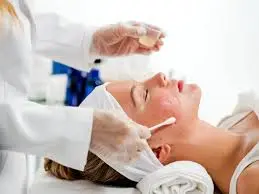
Dark spots can make the complexion appear uneven, especially when they remain visible even after the original skin concern has improved. Sun exposure, acne marks, hormonal changes, and natural pigmentation can all contribute to areas of darker skin. For people looking for professional ways to improve this concern, Chemical Peels in Abu Dhabi can be an option worth exploring. These treatments are designed to exfoliate selected layers of the skin and encourage the appearance of a fresher, more even complexion.
Chemical peels work by applying a carefully selected solution to the skin. The formulation and strength can vary depending on the individual’s skin type and the pigmentation concern being addressed. By encouraging controlled exfoliation, the treatment can help reduce the appearance of accumulated pigmented cells and reveal smoother-looking skin underneath.
Understanding Stubborn Dark Spots
Dark spots, often referred to as hyperpigmentation, occur when certain areas of the skin develop more pigment than the surrounding complexion. They can appear as small marks or larger patches and may be more noticeable on the face, forehead, cheeks, upper lip, or other frequently exposed areas.
Some pigmentation develops after acne or other forms of skin inflammation. Other types may be associated with repeated sun exposure or hormonal influences. Because pigmentation can have different underlying causes, identifying the type of discoloration is an important part of choosing an appropriate professional treatment.
Stubborn pigmentation may also appear unevenly, making the overall complexion look less radiant. Chemical peels focus on improving the surface of the skin while supporting the natural process through which older skin cells are replaced.
How Chemical Peels Target Dark Spots
A chemical peel uses an exfoliating solution that works on the outer layers of the skin. Depending on the formulation selected, the treatment can loosen and remove accumulated surface cells. This process may help diminish the visible appearance of pigmentation over time.
When pigmented surface cells are exfoliated, newer-looking skin can become more visible. Repeated treatment, when considered appropriate, may gradually contribute to a more balanced complexion.
The effectiveness of a peel depends on several factors, including the type of pigmentation, its depth, skin characteristics, and the formulation used. A professional assessment can help determine which approach is appropriate for the specific concern.
Chemical Peels and Post-Acne Dark Marks
Acne may leave behind dark marks even after active breakouts have disappeared. These marks can remain for an extended period and may create an uneven appearance.
Chemical peels can support the improvement of these superficial marks by promoting exfoliation and skin renewal. As older pigmented cells are removed, the complexion may gradually look more uniform.
For people whose main concern is post-acne pigmentation, the treatment approach may differ from one used for other forms of discoloration. The peel selected should therefore correspond to the individual’s skin condition rather than being chosen solely based on the appearance of the spots.
Can Chemical Peels Improve Sun-Related Pigmentation?
Frequent sun exposure can contribute to the development of visible pigmentation and an uneven complexion. Areas that receive regular exposure may gradually develop darker patches or spots.
Chemical peels can help address some forms of superficial sun-related discoloration by encouraging the removal of pigmented surface cells. With appropriate treatment selection, the skin may appear brighter and more evenly toned.
However, pigmentation associated with sun exposure can vary considerably from person to person. The depth and pattern of pigmentation influence how the skin responds to treatment, making professional evaluation an important step.
Choosing the Right Peel for Dark Spots
Not every chemical peel is designed for the same skin concern. Different formulations contain different exfoliating ingredients and concentrations, allowing treatment to be adjusted according to the individual’s needs.
A professional may consider factors such as skin type, pigmentation pattern, skin sensitivity, previous treatments, and the overall condition of the complexion when determining a suitable peel.
A superficial peel may be considered when the concern mainly involves the outermost layers of the skin. Other formulations may be selected when a different level of exfoliation is appropriate. The goal is to choose an approach that addresses pigmentation while maintaining a suitable treatment plan for the individual’s skin.
What Happens During a Chemical Peel Treatment?
Before treatment, the skin is generally assessed to understand the pigmentation and determine whether a chemical peel is suitable. The skin is then prepared before the selected solution is applied.
During the procedure, the exfoliating solution remains on the skin for an appropriate period according to the treatment plan. The process is controlled carefully to achieve the intended level of exfoliation.
Once the treatment is completed, the skin begins its natural renewal process. Over time, older surface cells are replaced, which can contribute to a smoother and more even-looking complexion.
When Can You Expect Visible Improvement?
The timeline for visible improvement can differ depending on the type and depth of pigmentation. Some superficial dark spots may appear less noticeable as the skin undergoes exfoliation and renewal.
More persistent pigmentation may require a planned series of treatments rather than a single session. The number and spacing of treatments depend on individual skin characteristics and the selected peel.
It is also important to understand that pigmentation improvement is generally a gradual process. Chemical peels are intended to support skin renewal rather than instantly erase every dark spot.
Chemical Peels for a More Even Complexion
The benefit of chemical peels extends beyond dark spots. Exfoliating the skin can also improve the appearance of uneven texture and dullness, helping the complexion look smoother and more refreshed.
When pigmentation and surface roughness occur together, improving the quality of the skin’s surface can make the overall complexion appear more balanced. This makes chemical peels a treatment option for people who want to address multiple superficial skin concerns within an appropriate professional skincare plan.
Why Professional Assessment Matters
Dark spots do not all have the same cause or appearance. Treating pigmentation effectively requires an understanding of what is creating the discoloration and how deeply it is located within the skin.
A professional assessment allows the treatment approach to be customized. Instead of using the same peel for every pigmentation concern, the formulation and treatment intensity can be selected according to the individual’s skin characteristics.
This personalized approach can help ensure that the treatment is focused on the actual concern while supporting a more consistent complexion.
Maintaining an Even-Looking Complexion
After improving pigmentation, maintaining a consistent skincare routine and protecting the skin from environmental factors can be important for preserving the appearance of the complexion. Continued exposure to ultraviolet radiation can contribute to renewed pigmentation, particularly in individuals who are prone to dark spots.
Professional treatments can be incorporated into a broader skincare plan based on the individual’s needs. The objective is not simply to improve existing discoloration but also to support a healthier-looking and more uniform complexion over time.
Conclusion
Stubborn dark spots can affect the overall appearance of an otherwise healthy complexion. Chemical Peels in Abu Dhabi can support the improvement of certain forms of pigmentation by exfoliating the skin’s surface and encouraging natural skin renewal. They may be particularly useful for superficial discoloration associated with acne marks, sun exposure, and uneven skin tone.
The most suitable approach depends on the type of pigmentation, skin characteristics, and treatment goals. With an individualized treatment plan, chemical exfoliation can help create a smoother, brighter, and more evenly toned appearance over time.
Frequently Asked Questions
Can Chemical Peels in Abu Dhabi Remove Dark Spots Completely?
Chemical peels can help reduce the appearance of certain types of dark spots, particularly superficial pigmentation. The degree of improvement depends on factors such as the type, depth, and cause of the pigmentation. Some stubborn spots may require a customized treatment plan.
How Do Chemical Peels Improve Hyperpigmentation?
Chemical peels encourage exfoliation of the skin’s outer layers. This helps remove accumulated surface cells containing excess pigment and supports the appearance of newer, more evenly toned skin.
Are Chemical Peels Suitable for Post-Acne Dark Marks?
They can be suitable for certain types of post-acne pigmentation. The appropriate peel depends on the individual’s skin condition and the characteristics of the marks being treated.
Can Chemical Peels Help With Sun Spots?
Certain superficial sun-related pigmentation may respond to chemical exfoliation. A professional assessment can determine whether the pigmentation is appropriate for this type of treatment.
How Many Chemical Peel Treatments Are Needed for Dark Spots?
The number of treatments varies according to the pigmentation, skin type, selected peel, and desired outcome. Some concerns may improve with one treatment, while more persistent discoloration may require multiple sessions.
Do Chemical Peels Improve Uneven Skin Tone?
Yes. By removing accumulated surface cells and supporting skin renewal, chemical peels can help create a more uniform-looking complexion. Improvement is generally gradual and depends on the individual’s skin characteristics.
Are Chemical Peels Only Used for Pigmentation?
No. Chemical peels may also be used to improve the appearance of dullness, uneven texture, superficial acne marks, and other surface-level skin concerns. The formulation is selected according to the specific treatment goal.
Is Professional Evaluation Important Before a Chemical Peel?
Yes. Pigmentation can have different causes and depths, so assessing the skin beforehand helps determine whether a chemical peel is appropriate and which type of treatment best matches the individual’s concern.