
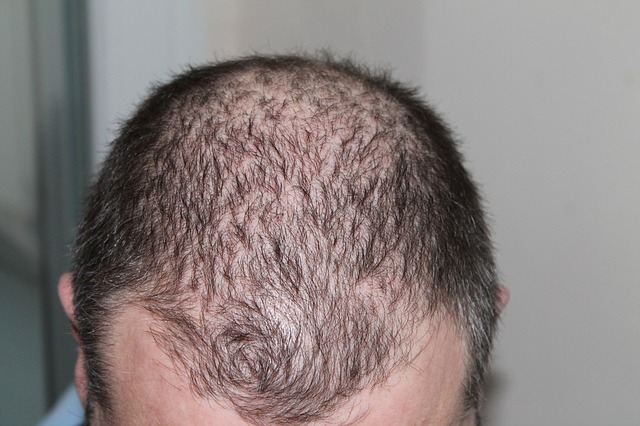
Hair thinning and hair loss can profoundly impact how an individual feels when looking in the mirror every morning. Navigating the world of aesthetic restoration often leads many people to discover specialized cosmetic procedures like Scalp Micropigmentation Abu Dhabi, which has quickly grown into a prominent non-surgical solution for creating the visual illusion of fuller, denser hair. For anyone researching alternative methods to address receding hairlines, widening parts, or total vertex balding without committing to invasive surgeries, understanding the underlying safety and application process is essential. This comprehensive guide explores everything you need to know about how this sophisticated cosmetic technique functions, why it is widely considered safe, and how it transforms personal grooming routines.
- Exploring non-surgical cosmetic alternatives for common hair thinning concerns.
- Highlighting the foundational safety profile of micro-dot pigment placement.
- Setting realistic expectations for visual density enhancement and long-term satisfaction.
What is Scalp Micropigmentation and How Does It Work?
At its core, scalp micropigmentation is an advanced form of cosmetic pigmentation that meticulously deposits specialized organic or mineral-based pigments into the dermal layer of the scalp. Unlike traditional body art tattoos that use deep needles and heavy inks prone to blurring over time, this specialized procedure utilizes micro-fine needles designed specifically to replicate the precise size, angle, and depth of real human hair follicles. Technicians map out custom hairlines and build layered density across multiple sessions, creating a stippled shadow effect that mimics a freshly shaved buzz cut or adds substantial visual depth beneath longer thinning strands.
- Utilizes ultra-fine micro-needles to deposit specialized pigments into the dermis.
- Replicates the exact appearance of natural hair follicles and stubble.
- Requires multiple strategic layering sessions to achieve optimal depth and realism.
Evaluating the Safety Profile of the Procedure
When considering any cosmetic enhancement, safety remains a top priority for prospective clients seeking peace of mind. The procedure is classified as minimally invasive because it completely bypasses surgical incisions, general anesthesia, and tissue harvesting. Because the equipment punctures only the upper layers of the skin, the physical trauma inflicted on the body is exceptionally low compared to traditional surgical restoration methods. Furthermore, the pigments formulated for modern scalp treatments are engineered to be biocompatible, minimizing adverse reactions and ensuring that the body accepts the foreign micro-particles harmoniously over prolonged periods.
- Operates entirely non-surgically without scalpels, stitches, or structural tissue alteration.
- Employs biocompatible, specially formulated pigments designed for dermal compatibility.
- Involves minimal physical trauma, translating to a smooth and manageable healing timeline.
Key Advantages of Choosing Non-Surgical Hair Illusions
The growing popularity of this cosmetic technique stems from its remarkable practical and aesthetic benefits for everyday life. Unlike surgical interventions that demand extended recovery windows and strict physical limitations. Micro-dot scalp treatments allow individuals to resume their normal professional and personal routines almost immediately. It offers an instantaneous visual transformation, masking unsightly scars, birthmarks, or uneven donor regions seamlessly. This immediate boost in self-assurance provides a liberating alternative for individuals who want a dependable. Low-maintenance aesthetic boost without the complexities of long-term pharmaceutical regimens.
- Delivers an immediate visual enhancement in apparent hair density and coverage.
- Requires virtually zero operational downtime, permitting an immediate return to daily life.
- Effectively conceals unwanted scalp scars, localized alopecia patches, or blemishes.
Understanding the Treatment Journey and Maintenance
Achieving a seamless, undetectable finish requires patience and a structured multi-step approach spread across several weeks. A typical treatment plan involves two to four distinct sessions, allowing the pigment to settle and giving the specialist an opportunity to build color saturation gradually and naturally. While the results are exceptionally long-lasting. Minor lightening can occur over the span of several years due to natural cellular turnover and sun exposure. Making periodic touch-up sessions a simple way to keep the hairline looking crisp, fresh, and youthful indefinitely.
- Spreads application across multiple phased sessions to ensure natural color blending.
- Demands simple ongoing maintenance, such as basic sun protection and hydration.
- Accommodates occasional refresh appointments every few years to sustain long-term vibrancy.
Frequently Asked Questions
Does the scalp micropigmentation procedure cause significant pain?
Most individuals report feeling very little discomfort during the process, often describing the sensation as a mild tingling or light scratching compared to traditional tattoos. Largely due to the shallow depth of the micro-needles and the option of topical numbing agents.
How long do the visual results typically last before requiring attention?
The pigments remain stable for several years, usually maintaining their primary aesthetic integrity. Anywhere from four to six years before minor fading prompts a simple touch-up appointment.
Can this technique be used to camouflage previous hair transplant scars?
Yes, depositing specialized pigment micro-dots directly into linear or patchy scars left behind by older surgical procedures. effectively breaks up the stark contrast of scar tissue, blending it seamlessly into the surrounding hair.
Is there any mandatory recovery period or time off needed after a session?
There is no required clinical downtime; clients can walk out of a session and return straight to work or social engagements. Provided they follow basic post-procedure care guidelines regarding moisture and sun exposure.
