
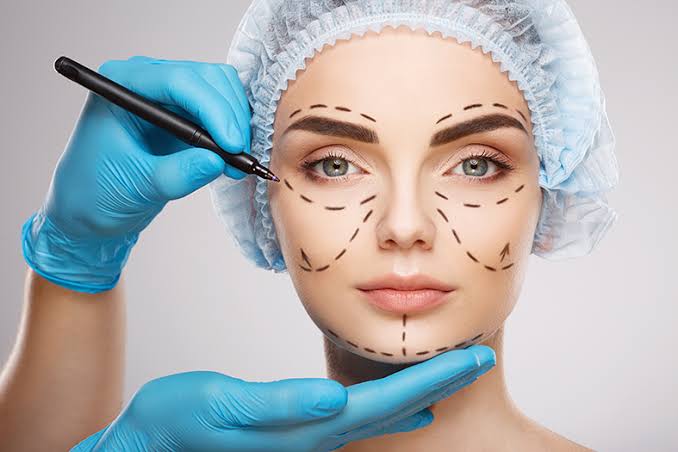
Plastic surgery has become a carefully planned medical field where modern techniques, improved surgical environments, advanced monitoring, and detailed patient assessment all contribute to safer procedures. For people researching Plastic Surgery Dubai, understanding what makes an operation safe can help them approach treatment with realistic expectations and better preparation. Safety does not depend on the procedure alone; it also involves suitable patient selection, qualified surgical care, appropriate anesthesia, sterile conditions, and consistent medical monitoring.
Modern Plastic Surgery and Patient Safety
Today, plastic surgery is supported by structured medical protocols designed to reduce avoidable risks during treatment. Surgical planning generally begins with an assessment of the individual’s physical condition, medical history, previous procedures, current medications, allergies, and personal goals.
A thorough assessment helps determine whether a particular procedure is appropriate. It may also identify factors that could influence anesthesia, healing, or recovery. This personalized approach is one of the most important developments in modern surgical care.
Why Pre-Surgical Assessment Matters
A safe procedure begins well before the operation itself. The healthcare team usually reviews relevant medical information and discusses the intended treatment in detail.
Important areas may include:
- General health and previous medical history
- Existing medical conditions
- Previous surgical procedures
- Current medications and allergies
- Anesthesia considerations
- Individual treatment goals
- Expected recovery requirements
- Appropriate timing for the procedure
This process allows the surgical team to create a treatment plan suited to the individual rather than relying on a standard approach.
The Role of Qualified Surgical Professionals
Professional training and surgical experience are central to patient safety. A qualified plastic surgeon understands anatomy, surgical techniques, anesthesia considerations, tissue handling, and appropriate patient selection.
Patients are generally encouraged to verify professional credentials, relevant surgical training, licensing, and experience with the specific procedure being considered. Open communication is equally valuable because patients should feel comfortable discussing concerns, expectations, previous treatments, and medical history.
How Surgical Planning Improves Safety
Careful planning allows the surgical team to anticipate important details before treatment begins. The procedure, anesthesia requirements, surgical position, expected duration, and monitoring needs can all be considered beforehand.
Planning may also involve determining whether a particular technique is suitable for the patient’s anatomy and goals. When expectations are realistic and the treatment plan is clearly understood, the entire experience can become more organized and predictable.
Importance of Anesthesia Safety
Anesthesia is an important part of many surgical procedures. Modern anesthesia practice involves careful evaluation, appropriate medication selection, continuous monitoring, and observation during the procedure.
Anesthesia professionals assess factors such as medical history, previous reactions, allergies, and general health. During surgery, vital signs can be monitored continuously so that changes can be identified promptly.
Sterile Surgical Environments
Clean and controlled surgical environments are another essential part of modern safety standards. Sterilization procedures, hygienic protocols, properly prepared equipment, and controlled operating areas help reduce contamination during surgery.
Healthcare teams follow established infection-control procedures throughout treatment. These measures are especially important because surgical procedures involve temporary disruption of the body’s natural protective barrier.
Technology and Modern Surgical Techniques
Advances in surgical technology have changed how many procedures are planned and performed. Better visualization, refined instruments, improved anesthesia monitoring, and more precise surgical methods can support controlled treatment.
Technology can also help with preoperative planning and patient assessment. However, technology itself does not guarantee a successful outcome. Appropriate technique, professional judgment, patient selection, and careful monitoring remain essential.
Benefits of Modern Plastic Surgery
When an individual is considered an appropriate candidate, plastic surgery can provide both functional and aesthetic benefits. Depending on the procedure, treatment may address changes in body shape, facial features, tissue structure, or areas affected by injury or previous surgery.
Potential benefits may include:
- Improved physical proportions
- Enhanced appearance
- Restoration of certain structural features
- Correction of selected functional concerns
- Greater confidence in personal appearance
The expected benefit depends heavily on the procedure, individual anatomy, health status, and treatment goals.
Understanding the Surgical Process
The surgical process generally involves several stages rather than a single appointment. It starts with consultation and assessment, followed by treatment planning and preparation.
On the day of surgery, the patient is evaluated before the procedure begins. Appropriate anesthesia is administered when required, the surgical area is prepared, and monitoring is maintained throughout treatment.
Following the procedure, the patient enters a recovery phase where healthcare professionals observe vital signs and general condition. The exact process varies according to the procedure and individual circumstances.
What Makes a Patient a Suitable Candidate?
Suitability depends on more than age or appearance. A patient may need appropriate general health, realistic expectations, and a clear understanding of the proposed procedure.
A responsible evaluation considers:
- Physical health
- Medical history
- Lifestyle factors
- Healing considerations
- Treatment objectives
- Emotional readiness
- Understanding of the recovery period
Patients with unrealistic expectations may require additional discussion before proceeding. Good communication helps ensure that the intended outcome is medically reasonable and personally appropriate.
Why Realistic Expectations Matter
Plastic surgery can improve selected physical characteristics, but it cannot guarantee perfection or completely transform every aspect of appearance. Individual healing and anatomical differences influence results.
Realistic expectations allow patients to understand what the procedure is designed to accomplish. A clear discussion before treatment can help prevent misunderstandings and support greater satisfaction with the eventual outcome.
Recovery and Medical Observation
Recovery is an important part of surgical care. The body needs time to respond to the procedure and gradually return to normal activity.
Medical teams may provide individualized instructions concerning movement, activity levels, wound observation, sleeping positions, nutrition, and scheduled reviews. The recovery period differs according to the type and extent of surgery.
Patients should follow the instructions provided by their healthcare team and attend recommended follow-up appointments. Professional observation allows progress to be evaluated and questions to be addressed as healing develops.

Communication During Recovery
Good communication remains important after surgery. Patients should understand which changes are expected during normal healing and which symptoms require prompt professional attention.
A healthcare professional should be contacted when there are concerns about unusual changes, significant discomfort, unexpected bleeding, breathing difficulties, fever, or other concerning symptoms. Prompt communication can help ensure that problems are assessed appropriately.
The Importance of Individualized Treatment
No two patients have exactly the same anatomy, medical history, lifestyle, or expectations. For this reason, individualized treatment planning remains one of the strongest principles of modern plastic surgery.
A technique that is suitable for one person may not be appropriate for another. Personalized assessment helps the surgical team select an approach based on the patient’s specific circumstances.
Questions Patients Should Ask Before Surgery
Patients can make informed decisions by asking clear questions during consultation. Useful questions may include:
- What is the purpose of the procedure?
- Is the individual a suitable candidate?
- What technique is being recommended?
- What type of anesthesia will be used?
- How long is the expected recovery?
- What restrictions may apply during recovery?
- What follow-up appointments are required?
- What results can reasonably be expected?
Understanding these details can make the decision-making process more comfortable and informed.
How Patients Can Support Safe Treatment
Patient participation is an important part of surgical safety. Complete and accurate medical information allows the healthcare team to make better decisions.
Patients should disclose relevant health information, follow preoperative instructions, avoid concealing medications or previous procedures, and communicate concerns honestly. They should also understand the planned procedure before providing consent.
Frequently Asked Questions
Is plastic surgery considered safe today?
Modern plastic surgery can be performed safely when appropriate medical standards, qualified professionals, careful patient selection, proper monitoring, and suitable surgical environments are involved. No medical procedure can be described as completely risk-free.
How is safety evaluated before surgery?
Safety is evaluated through medical history, physical assessment, treatment planning, anesthesia assessment, and consideration of individual health factors. The exact evaluation depends on the procedure.
Does every patient qualify for plastic surgery?
No. Suitability varies according to health, anatomy, expectations, medical history, and the specific procedure. A professional assessment is necessary before treatment.
How long does recovery take?
Recovery varies considerably depending on the type and extent of surgery. Some procedures require a relatively short recovery period, while others involve a longer period of gradual healing and activity restriction.
Can patients improve their surgical experience?
Patients can support a safer experience by providing accurate medical information, following professional instructions, maintaining realistic expectations, and attending recommended follow-up appointments.
Is modern technology enough to make surgery safe?
Technology can improve planning, precision, and monitoring, but it is only one component of safety. Professional expertise, appropriate patient selection, sterile standards, anesthesia management, and careful observation remain equally important.
Conclusion
Plastic Surgery today benefits from advances in medical knowledge, surgical techniques, anesthesia, monitoring, infection-control practices, and personalized treatment planning. While every surgical procedure requires thoughtful consideration, modern safety protocols can help create a controlled and carefully monitored treatment experience. Patients who seek qualified professional assessment, understand the process, maintain realistic expectations, and follow individualized medical guidance can make more informed decisions about whether a procedure is appropriate for their goals.

