
Introduction
Skin lesions can vary widely in appearance, size, texture, and location, and many people consider removal when a lesion affects the smoothness or overall appearance of the skin. Skin lesion removal in Abu Dhabi can provide a targeted approach for addressing unwanted growths or irregular areas while supporting a more even-looking skin surface. Whether the results remain long lasting depends on the type of lesion, the removal method selected, the characteristics of the individual’s skin, and how the treated area responds over time.
Understanding Skin Lesions
A skin lesion is an area of skin that looks or feels different from the surrounding tissue. Lesions may appear as raised growths, spots, bumps, discolorations, or changes in skin texture. Some are present for a long time, while others develop gradually.
Because skin lesions have different characteristics, their management is not the same in every situation. An appropriate assessment helps determine what type of lesion is present and which approach may be suitable. This individualized process is important when the goal is to achieve a lasting improvement in the appearance of the skin.
What Does Skin Lesion Removal Involve?
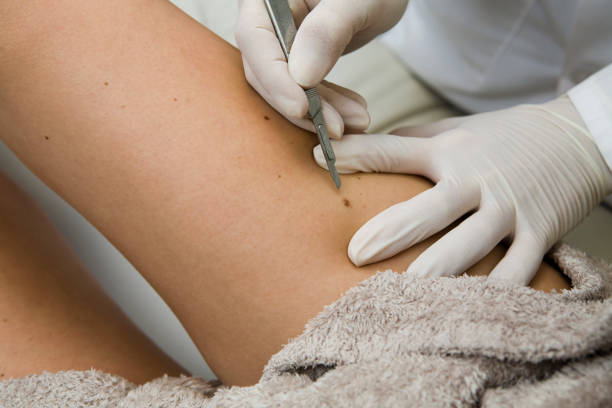
Skin lesion removal refers to procedures designed to eliminate or reduce a specific unwanted lesion from the skin. Depending on the lesion, different techniques may be considered. The selected approach can focus on removing the visible lesion while preserving as much surrounding healthy skin as practical.
The treatment process generally begins with an evaluation of the lesion. Its location, appearance, size, depth, and characteristics can influence the recommended technique. Once the appropriate approach has been determined, the lesion is treated using a method suited to its individual features.
Can Skin Lesion Removal Provide Long-Lasting Results?
Skin lesion removal can offer long-lasting results when the targeted lesion is successfully removed and does not return. However, the durability of the outcome depends strongly on the nature of the lesion. Some lesions may be permanently removed, while others can potentially recur or new lesions may develop elsewhere.
It is also important to distinguish between recurrence and the development of a new lesion. If a different lesion appears later, it does not necessarily mean that the original treatment failed. The skin can naturally develop new changes over time, even after a successful removal procedure.
How the Type of Lesion Affects Results
The type of lesion is one of the most important factors affecting long-term results. A superficial lesion may respond differently from one that extends deeper into the skin. Similarly, lesions with distinct structures may require different removal approaches.
Some lesions are relatively straightforward to remove, while others may need a more carefully planned technique. Understanding the characteristics of the lesion allows the treatment approach to be matched more closely to the desired outcome.
The Importance of Individual Skin Characteristics
Every person’s skin responds differently to treatment. Skin type, pigmentation, texture, elasticity, and natural healing characteristics can influence the appearance of the treated area after removal.
The location of the lesion can also matter. Areas that experience frequent movement or exposure may heal differently from areas that are less exposed. These individual factors are considered when planning treatment and evaluating what type of result can reasonably be expected.
What Happens to the Skin After Removal?
After a lesion has been removed, the skin begins a natural healing process. The appearance of the treated area may change gradually as the skin settles. Initially, the area may look different from the surrounding skin, but its appearance can continue to evolve during the healing period.
Over time, the treated area may become less noticeable as the skin undergoes natural remodeling. The final appearance depends on the original lesion, the removal technique, the depth of treatment, and individual healing characteristics.
Can Skin Lesion Removal Improve Skin Appearance?
One of the main reasons people consider lesion removal is to create a more uniform-looking skin surface. Removing a prominent or unwanted lesion can make the surrounding area appear smoother and more balanced.
The improvement is usually focused on the specific lesion rather than transforming the overall condition of the skin. Skin lesion removal is therefore best understood as a targeted treatment rather than a general skin rejuvenation procedure.
Factors That Support Lasting Results
The long-term appearance of treated skin depends on several factors. Selecting an appropriate removal technique is an important part of achieving a satisfactory outcome. Accurate assessment and careful treatment can help ensure that the approach matches the lesion being addressed.
The natural healing process also plays an important role. Allowing the treated area to heal properly gives the skin time to undergo its normal repair and remodeling processes. Protecting the area according to professional aftercare guidance can also help support the appearance of the healing skin.
Why Professional Assessment Matters
Not every skin lesion should be approached in the same way. A professional assessment can help identify the characteristics of the lesion and determine whether removal is appropriate.
Assessment is particularly important because a lesion’s visual appearance alone may not provide enough information about its nature. A suitable evaluation helps establish an appropriate treatment plan while keeping the focus on both the lesion and the surrounding skin.
Are Results Immediately Visible?
The visible result of skin lesion removal may not be fully apparent immediately. The treated area can change as the skin progresses through its healing process. Depending on the treatment method and individual response, the final appearance may become clearer gradually.
Patience during the healing period is therefore important. The skin needs sufficient time to settle before the long-term outcome can be accurately evaluated.
Can a Removed Lesion Return?
Whether a lesion can return depends on its specific characteristics and the method used to remove it. Some lesions can be completely eliminated, while certain types may have a possibility of recurrence.
A new growth in the same area should be evaluated rather than automatically assumed to be a recurrence. Professional assessment can help distinguish between a returning lesion and a new skin change.
Skin Lesion Removal and Natural Skin Aging
Long-lasting removal of a particular lesion does not prevent normal skin aging. Skin continues to change with time because of natural aging and environmental exposure. New spots, pigmentation changes, texture changes, or other skin features may develop independently of the original treatment.
For this reason, successful lesion removal should be viewed as a lasting improvement to the specific area that was treated rather than a permanent change to the entire skin.
Setting Realistic Expectations
Realistic expectations are essential when considering skin lesion removal. The objective is generally to remove or reduce the targeted lesion and achieve an improved appearance of the treated area.
The final result can vary between individuals. Factors such as lesion type, location, size, skin characteristics, treatment approach, and healing response all contribute to the outcome. A personalized assessment provides a clearer understanding of what can reasonably be expected.
Long-Term Skin Appearance After Treatment
When a lesion is effectively removed, the improvement can remain noticeable for a long period. The treated area may become a more natural-looking part of the surrounding skin as healing progresses.
However, long-term skin appearance is influenced by ongoing biological changes. Maintaining realistic expectations helps people understand that removing one lesion does not stop the skin from developing other changes in the future.
Frequently Asked Questions
Does skin lesion removal provide permanent results?
It can provide long-lasting or permanent removal of certain lesions, but the result depends on the type of lesion, treatment technique, and individual healing response.
How long does it take for the treated skin to settle?
The healing timeline varies according to the removal method, location, size, and depth of the lesion. The appearance generally changes gradually as the skin heals.
Can new lesions appear after removal?
Yes. Removing one lesion does not prevent new lesions from developing elsewhere or, depending on the lesion type, potentially appearing in the same area.
Does the treated area look natural afterward?
The appearance of the treated area depends on several factors, including the characteristics of the lesion, treatment method, and individual healing response. The skin can continue to improve in appearance as it heals.
Is skin lesion removal suitable for every lesion?
Different lesions require different approaches, and some may require further assessment before removal. A professional evaluation is important for determining an appropriate treatment plan.
Does skin lesion removal improve overall skin quality?
The treatment primarily targets a specific lesion. It can improve the appearance of the treated area but is not generally intended to address overall skin quality or all signs of aging.
What determines how long the results last?
The type of lesion, completeness of removal, treatment approach, location, and individual skin response can all influence the longevity of the result.
Conclusion
Skin lesion removal can offer long-lasting improvement when the targeted lesion is appropriately assessed and effectively treated. The durability of the result depends on the nature of the lesion and individual skin characteristics. While removal can create a smoother and more uniform appearance in the treated area, normal skin changes can continue over time. Understanding the treatment process, healing period, and realistic expectations can help support satisfaction with the long-term appearance of the skin.

