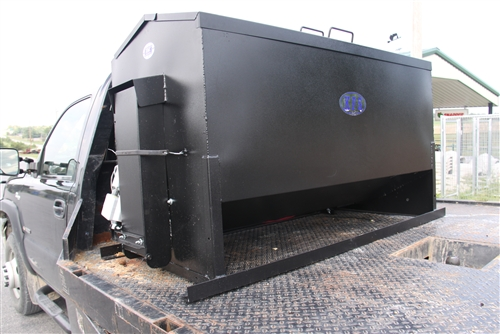
Modern livestock farms need practical equipment that can make daily feeding faster, easier, and more consistent. Feeding cattle across large pastures or multiple locations can take a lot of time when feed has to be transported and distributed manually. For farmers managing large herds, an efficient feeding system can make a noticeable difference in daily farm operations.
Cube feeders for trucks offer a convenient way to transport and distribute feed cubes directly from a truck. These systems can help farmers reduce manual handling, cover larger areas, and manage supplemental feeding more efficiently.
From improving feed distribution to saving labor and reducing unnecessary trips, truck-mounted cube feeders can be useful for many agricultural operations. This article explains their main benefits and the factors farmers should consider when selecting one.
What Are Cube Feeders for Trucks?
Cube feeders for trucks are feeding systems designed to store and distribute compressed feed cubes from a truck or similar vehicle. The feeder is mounted on or connected to a truck so that feed can be transported directly to the location where livestock need it.
Feed cubes may contain ingredients such as forage, grains, protein, minerals, and other nutrients. The exact formulation depends on the livestock feeding program.
A truck-mounted feeder can allow an operator to travel through pastures, feeding areas, or farm properties while dispensing a controlled amount of feed.
This combines transportation and feed distribution into one operation.
Faster Feed Distribution
One of the main advantages of cube feeders for trucks is faster feed distribution. Large farms may have cattle spread across several fields or pastures, making manual feeding slow and difficult.
A truck-mounted feeder allows the operator to carry a larger quantity of feed and distribute it while moving through the feeding area.
Instead of repeatedly carrying bags or containers between the storage area and livestock, the farmer can load the feeder and complete the feeding route more efficiently.
This can be especially valuable when cattle need supplemental feed on a regular schedule.
Reduces Manual Labor
Manual feed handling can require significant physical effort. Workers may need to lift bags, carry feed, load smaller equipment, and distribute cubes by hand.
Using a truck-mounted feeder can reduce much of this repetitive work.
The operator can control the feed distribution system from the vehicle, depending on the equipment design. This allows one person to complete tasks that might otherwise require several workers.
Reducing manual labor does not mean eliminating farm workers. Instead, it allows available labor to be used for other important tasks such as animal monitoring, pasture management, equipment maintenance, and general farm work.
Covers Large Pastures More Easily
Large livestock operations may have cattle spread across hundreds or thousands of acres. Walking or using small equipment to distribute feed over these areas can be inefficient.
A truck provides mobility and can travel across suitable farm roads and pasture routes. With a cube feeder installed, feed can be distributed during the same trip.
This can make supplemental feeding more practical across larger properties.
However, farmers should consider the terrain and ground conditions before using a truck in pasture areas. Wet or soft ground can create traction problems and may cause soil damage.
Controlled Feed Distribution
Feed control is important for managing livestock nutrition and controlling feed costs.
Many cube feeding systems allow operators to adjust the amount or rate at which feed is distributed. The exact adjustment method depends on the feeder design.
Controlled dispensing can help farmers create a more consistent feeding routine. It can also reduce the risk of releasing excessive amounts of feed in one location.
Farmers should follow their nutrition plan and adjust feeding amounts according to the needs of the cattle.
Helps Reduce Feed Waste
Feed waste can become a significant expense over time. Spilled feed, uneven distribution, and excessive feeding can increase the amount of feed that is not consumed.
A properly adjusted feeder can help place feed in a more controlled pattern. This may reduce unnecessary piles and make it easier for cattle to access the feed.
Feeder placement also matters. Farmers should choose feeding locations that are suitable for the cattle and appropriate for the equipment.
Weather conditions, animal behavior, feed quality, and pasture conditions can also affect feed waste.
Saves Time During Daily Feeding
Time is one of the most valuable resources on a working farm. Feeding cattle is a task that often needs to be completed regularly, regardless of weather or other farm activities.
A truck-mounted cube feeder can combine several steps of the feeding process:
- Load the feed.
- Transport the feed to the pasture.
- Distribute the feed.
- Return to the storage or loading area.
This streamlined process can reduce the time required for daily supplemental feeding.
The amount of time saved depends on herd size, feeding route, equipment capacity, and pasture layout.
Useful for Supplemental Cattle Feeding
Cattle may require supplemental feed when pasture quality is low or nutritional requirements increase. This can occur during dry seasons, winter months, drought conditions, or periods when forage availability is limited.
Feed cubes can be used as part of a properly planned supplemental feeding program.
Cube feeders for trucks make it easier to transport these supplements directly to livestock areas.
Because the feeder can distribute feed across a feeding route, farmers have greater flexibility when managing cattle in different pastures.
The specific type and quantity of supplement should always be determined according to the nutritional requirements of the animals and appropriate professional guidance.
Suitable for Different Farm Operations
Truck-mounted cube feeders can be useful for different types of livestock operations.
Cattle Ranches
Large ranches can benefit from the mobility of truck-based feeding systems. The operator can cover long distances while distributing feed to cattle across multiple areas.
Cow-Calf Operations
Supplemental feeding may be required at different stages of the production cycle. A mobile feeder can make routine feed delivery easier.
Pasture-Based Farms
Farms that rely heavily on grazing can use truck-mounted systems to distribute supplemental feed without moving cattle to a central feeding location.
Large Livestock Operations
Operations with many animals may benefit from higher-capacity feeding systems that reduce the number of trips needed to refill the equipment.
Choosing the Right Feeder Capacity
Capacity is an important factor when selecting a truck-mounted cube feeder.
A feeder that is too small may require frequent refilling, which can reduce the time-saving benefits of the equipment. A very large feeder, however, may add unnecessary weight and require a larger truck.
Farmers should consider:
- Number of cattle
- Feed required per feeding
- Feeding frequency
- Distance between feeding areas
- Truck payload capacity
- Available storage
- Typical feeding route
The feeder should be compatible with the truck’s payload and operating capabilities.
Never exceed the vehicle’s rated payload capacity simply to carry more feed.
Truck Compatibility Matters
Not every truck is suitable for every feeding system. Before purchasing a feeder, farmers should check the truck’s weight capacity, bed dimensions, mounting requirements, hydraulic system, and electrical connections.
The combined weight of the feeder and feed should remain within safe operating limits.
A properly matched truck and feeder can provide better stability and reduce unnecessary stress on the vehicle.
It is also important to consider how easily the system can be loaded and serviced.
Hydraulic and Mechanical Components
Depending on the model, cube feeders may use hydraulic or mechanical systems to control feed movement and distribution.
Hydraulic systems can provide convenient control from the truck. Mechanical systems may use chains, augers, rollers, or other components to move feed through the distribution mechanism.
The system should be strong enough to handle the type of feed cubes being used.
Before purchasing, farmers should learn about replacement parts, service requirements, and local repair support.
Durable Construction
Farm equipment must operate in challenging conditions. Dust, moisture, vibration, uneven roads, and regular heavy use can affect the equipment over time.
A durable feeder should have a strong frame and reliable components that can handle the expected workload.
Important areas to inspect include:
- Feeder body
- Frame
- Feed delivery system
- Hydraulic components
- Chains and sprockets
- Bearings
- Mounting points
- Controls
Durable construction can help reduce downtime and extend the useful life of the equipment.
Easy Loading and Refilling
A feeder can only save time if it can be loaded efficiently. Farmers should consider how feed cubes will be transferred from storage into the truck-mounted system.
Depending on the operation, loading may be done using a loader, conveyor, auger, or other equipment.
The loading process should be safe and should not create unnecessary delays.
Large operations should consider how many times the feeder needs to be refilled during a typical feeding route.
Maintenance and Cleaning
Regular maintenance is essential for keeping cube feeders for trucks operating properly.
Feed dust and residue can build up around moving components. Moisture can also cause corrosion or affect mechanical parts.
Routine maintenance may include:
- Checking chains and sprockets
- Inspecting bearings
- Lubricating moving components
- Checking hydraulic hoses
- Inspecting mounting points
- Cleaning feed residue
- Checking electrical connections
- Inspecting the dispensing mechanism
Following the manufacturer’s maintenance recommendations can help prevent unexpected breakdowns.
Improves Farm Route Planning
A mobile feeder can also help farmers organize their feeding routes more efficiently.
Instead of making separate trips to different fields, the operator can plan a route that covers multiple feeding areas during one journey.
Good route planning can reduce unnecessary driving and fuel use.
Farmers should consider pasture locations, road conditions, cattle groups, and feeding schedules when planning routes.
Safety Considerations
Safety should always be part of operating a truck-mounted feeding system.
Before using the equipment, operators should inspect the truck and feeder to ensure everything is secure and functioning properly.
Important safety practices include:
- Stay within the truck’s payload limit.
- Secure the feeder correctly.
- Keep people away from moving feed mechanisms.
- Follow the manufacturer’s operating instructions.
- Avoid unstable or excessively soft ground.
- Inspect hydraulic and mechanical components regularly.
- Shut down the equipment before performing maintenance.
Cattle can also move unexpectedly around feeding areas, so operators should maintain a safe distance between livestock, vehicles, and workers.
Cost and Long-Term Value
The initial price of a truck-mounted cube feeder is only one part of the total cost. Farmers should also consider fuel use, maintenance, replacement parts, installation, truck requirements, and expected service life.
A higher-quality feeder may cost more initially but provide better long-term value if it requires fewer repairs and operates reliably.
Farmers should compare equipment based on total operating needs rather than simply choosing the lowest purchase price.
How to Choose Cube Feeders for Trucks
Before making a purchase, consider the following questions:
- How many cattle will be fed?
- How much feed is required each day?
- How far are the feeding areas from the storage facility?
- What type of feed cubes will be used?
- What is the truck’s payload capacity?
- How often will the feeder need refilling?
- Is the feeder easy to maintain?
- Are replacement parts readily available?
- Does the system provide adjustable feed distribution?
Answering these questions can help farmers select equipment that fits their actual operation.
Conclusion
Cube feeders for trucks can provide a practical solution for farms and ranches that need to distribute feed across large areas. By combining transportation and feeding, these systems can reduce manual labor, save time, improve feed distribution, and make supplemental feeding more convenient.
The right feeder should match the farm’s herd size, feeding requirements, truck capacity, terrain, and daily workload. Capacity, durability, feed control, maintenance, and compatibility with the truck should all be considered before making a purchase.
With proper maintenance, safe operation, and good route planning, a truck-mounted cube feeder can become a valuable part of a modern livestock feeding system. It can help farmers spend less time handling feed and more time managing the animals and other important farm responsibilities.