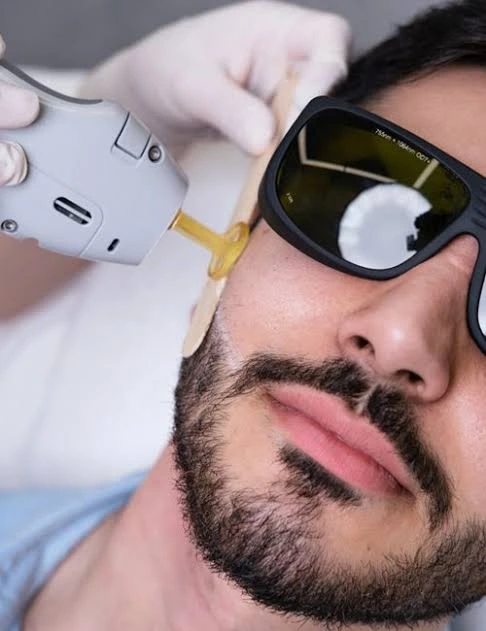
Beard grooming can require frequent shaving, trimming, or other methods to maintain a clean and defined appearance. For people looking for a longer-term approach to managing unwanted facial hair, laser hair removal has become a popular treatment option. The technology focuses on hair follicles beneath the skin, making it different from methods that only remove visible hair from the surface. For those considering Beard Laser Hair Removal in Abu Dhabi, understanding what makes the treatment effective can help set realistic expectations and support informed decisions.
The effectiveness of beard laser hair removal depends on several factors, including the technology used, hair characteristics, treatment consistency, and the natural growth cycle of facial hair. When these elements are properly considered, laser treatment can gradually reduce unwanted beard hair and make ongoing grooming more manageable.
How Does Beard Laser Hair Removal Work?
Laser hair removal works by directing concentrated light toward the pigment within the hair. The light energy is absorbed by the hair and converted into heat, which reaches the targeted follicle. This process can interfere with the follicle’s ability to produce hair over time.
Because the treatment targets hair at the follicular level, it can provide a more lasting reduction than shaving or trimming. Shaving cuts hair at the skin’s surface, while laser treatment focuses on the structure responsible for hair growth.
Facial hair can be particularly suitable for laser treatment because beard hair is often darker and coarser than the surrounding skin. The contrast between the hair pigment and skin can allow the laser energy to identify the intended target more effectively.
Why Hair Type Matters
Hair characteristics play an important role in treatment effectiveness. Darker, thicker hairs generally contain more pigment, which gives the laser a stronger target. Coarse beard hair can therefore respond well to appropriately selected laser treatment.
Lighter or finer hairs may respond differently because they contain less pigment for the laser to target. Individual results can also vary according to natural hair characteristics and the specific technology being used.
Understanding the type, density, and distribution of facial hair helps determine an appropriate treatment approach. A personalized assessment can help establish which areas may respond most effectively.
The Importance of Treatment Timing
Hair does not grow continuously at the same rate. It passes through different phases, and laser hair removal is most effective when targeted hairs are in an active growth phase.
Since individual hairs are at different stages of growth at any given time, one treatment session cannot effectively target every follicle. This is why multiple sessions are generally required to achieve progressive hair reduction.
Following an appropriate treatment schedule gives different groups of hairs an opportunity to be targeted during their active growth stages. Consistency is therefore an important part of achieving satisfactory results.
How Treatment Consistency Supports Results
Regular treatment sessions allow laser energy to target hair during suitable growth phases. Skipping sessions or having treatments at unsuitable intervals may affect the overall progression of hair reduction.
Consistency does not mean every person will experience identical results. Facial hair density, growth patterns, hormonal influences, genetics, and skin characteristics can all contribute to differences between individuals.
A treatment plan based on the individual’s beard growth pattern can help maintain a logical progression throughout the process.
The Role of Modern Laser Technology
The technology selected for beard laser hair removal can influence how precisely the treatment targets unwanted hair. Different laser systems are designed to work with different combinations of skin and hair characteristics.
Modern systems can offer adjustable settings that allow treatment parameters to be adapted according to the individual’s needs. Selecting appropriate settings is important because facial skin can differ significantly from other body areas.
The effectiveness of laser treatment is therefore not simply about using a laser. It also depends on choosing an appropriate technology and applying suitable treatment parameters for the person’s characteristics.
Why Facial Hair Requires Precision
The beard area includes several distinct regions, such as the cheeks, jawline, chin, upper lip, and neck. Hair density and direction can vary considerably between these areas.
Precision is especially important when someone wants a particular beard outline or reduction pattern rather than complete hair removal. Treatment can be planned around the desired appearance, allowing certain areas to be addressed more selectively.
A carefully designed approach can help create a more consistent appearance while reducing the need for frequent shaving.
What Makes the Abu Dhabi Treatment Experience Relevant?
Environmental conditions can influence everyday grooming habits. Hot weather and frequent outdoor activities may make maintaining facial hair particularly important for some individuals. A longer-term hair reduction approach can simplify regular grooming routines.
However, the effectiveness of the treatment itself is determined primarily by the interaction between laser technology, hair characteristics, skin characteristics, and treatment consistency rather than location alone.
For people exploring Beard Laser Hair Removal in Abu Dhabi, understanding these factors can make it easier to evaluate whether the treatment approach matches their personal grooming goals.
Can Laser Hair Removal Create a Cleaner Beard Shape?
Laser treatment can be used to reduce hair in selected facial areas, which may help create a more defined beard appearance. This can be useful for people who regularly spend time shaping their cheeks, neckline, or other areas.
Rather than removing all facial hair, treatment can be planned around areas where unwanted growth is most noticeable. The resulting reduction may make beard maintenance easier and help preserve a preferred outline.
The desired result should be clearly established before treatment so the approach can be aligned with the person’s grooming preferences.
Why Multiple Sessions Are Important
One of the most common misconceptions about laser hair removal is that a single treatment can remove all unwanted hair permanently. Hair growth cycles make this unrealistic.
During each session, the laser can effectively target a portion of hairs that are in a suitable growth stage. Other follicles may be inactive and become targetable during later sessions.
Progressive treatment therefore plays a central role in achieving noticeable hair reduction. Over time, many people may observe that facial hair becomes less dense and grooming becomes less frequent.
What Can Influence Individual Results?
Results can vary from person to person. Hair color, thickness, density, skin tone, growth cycle, genetics, and treatment consistency can all influence how effectively the hair responds.
Facial hair may also behave differently across various parts of the beard. For example, the chin and jawline may have a different density or growth pattern from the cheeks or neck.
Because of these differences, realistic expectations are important. The goal of laser hair removal is generally progressive hair reduction rather than an immediate transformation.
How Does Beard Laser Hair Removal Compare With Shaving?
Shaving removes hair only from the surface of the skin, meaning the hair continues to grow from the follicle. This requires repeated grooming to maintain a smooth or defined appearance.
Laser treatment works deeper by targeting the hair follicle. As treatment progresses, the amount of visible hair may gradually decrease, potentially reducing how often shaving is necessary.
For individuals tired of maintaining facial hair every day or frequently managing unwanted growth, this difference is one of the main reasons laser hair removal is considered.
Maintaining the Desired Appearance
After a series of treatments, some individuals may choose occasional maintenance sessions depending on their natural hair growth. Hair reduction can vary over time because follicles can behave differently.
Maintaining a preferred beard shape may therefore involve periodic assessment of new or remaining growth. The objective is to keep the facial appearance aligned with the individual’s grooming preferences.
A consistent approach can help support longer-term management of unwanted beard hair.
Is Beard Laser Hair Removal Effective for Everyone?
Laser hair removal can be effective for many people, but the degree of hair reduction varies. The strongest responses are often associated with hair that provides sufficient pigment for the laser to target.
People with different hair and skin characteristics may require a customized approach. Treatment suitability should therefore be assessed according to individual features rather than assuming identical outcomes for everyone.
Understanding personal hair characteristics before beginning treatment can help establish realistic expectations.
Conclusion
The effectiveness of beard laser hair removal comes from its ability to target hair follicles and gradually reduce unwanted facial hair over multiple treatment sessions. Hair characteristics, growth cycles, technology, treatment consistency, and personalized planning all influence the outcome.
For individuals considering Beard Laser Hair Removal in Abu Dhabi, understanding these factors provides a clearer picture of how the treatment works and why results develop progressively. Rather than relying on temporary surface-level grooming, laser treatment offers an approach focused on long-term hair reduction and easier beard management.
FAQs
How does beard laser hair removal reduce facial hair?
Laser hair removal uses concentrated light energy that is absorbed by pigment in the hair. The energy reaches the follicle and can interfere with its ability to produce hair, resulting in progressive hair reduction across treatments.
How many sessions are usually needed?
The number of sessions varies because facial hair grows through different stages. Multiple sessions are generally needed to target hairs during their active growth phases and achieve progressive reduction.
Can beard laser hair removal define the neckline?
Yes, laser treatment can be used selectively in areas such as the neckline. The treatment approach can be designed around the preferred beard shape and the areas where unwanted growth is most noticeable.
Does thicker beard hair respond differently?
Thicker, darker beard hair often provides more pigment for the laser to target. However, individual responses vary according to hair characteristics, skin characteristics, and the technology used.
Is the entire beard removed during treatment?
Not necessarily. Laser hair removal can be used to reduce unwanted growth in selected areas. The treatment can be planned according to whether the goal is overall reduction or a more defined beard shape.
Why are repeated sessions necessary?
Hair follicles are not all active at the same time. Because laser treatment is most effective during particular growth stages, repeated sessions allow different groups of hairs to be targeted as they enter the appropriate phase.
Can results vary between different beard areas?
Yes. Facial hair density and growth patterns can differ between the cheeks, chin, jawline, upper lip, and neck. These differences can influence how each area responds to treatment.
What makes Beard Laser Hair Removal in Abu Dhabi effective?
Its effectiveness comes from targeting hair follicles rather than simply removing visible hair from the skin’s surface. Appropriate laser technology, suitable treatment settings, individual hair characteristics, and consistent sessions all contribute to progressive hair reduction.