Introduction
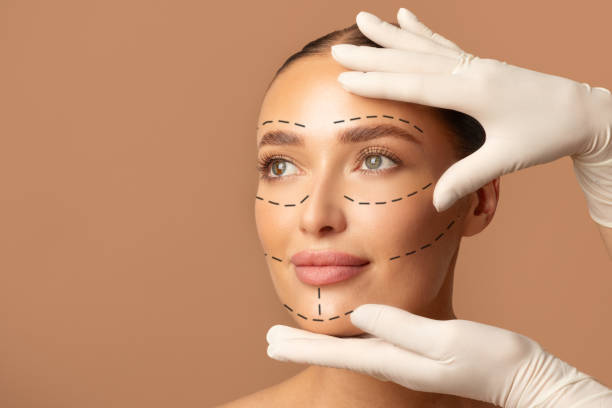
An aging face naturally changes as skin elasticity decreases, facial tissues shift, and certain areas begin to appear less defined. These changes can create a tired or aged appearance even when a person feels energetic and healthy. A facelift is designed to address visible signs of facial aging by improving the position of underlying tissues and refining loose or sagging skin. For people considering facelift in Abu Dhabi, understanding how the procedure refreshes facial appearance can help clarify what kind of transformation may be possible.
A facelift focuses on creating a more balanced and refreshed appearance rather than changing the fundamental identity of the face. The goal is generally to soften prominent signs of aging while maintaining natural-looking facial proportions. By addressing several visible changes together, the procedure can create a smoother transition between different areas of the face and restore greater definition to the overall appearance.
Understanding How Aging Changes Facial Appearance
Facial aging involves more than the development of lines and wrinkles. Over time, the skin may lose elasticity, while the tissues beneath it can gradually move downward. Changes in facial volume and structural support can also influence the appearance of the cheeks, jawline, and lower face.
These changes may result in loose skin around the cheeks and jaw, deeper folds near the nose and mouth, and reduced definition along the lower facial contour. The combination of these features can make the face appear tired or less youthful. A facelift addresses some of these structural changes rather than focusing only on surface-level skin concerns.
How a Facelift Creates a Refreshed Appearance
A facelift can make an aging face look more refreshed by repositioning selected facial tissues and improving the appearance of loose skin. Instead of simply stretching the skin, modern facelift techniques generally focus on supporting the underlying facial structures while refining the external appearance.
When sagging tissues are repositioned, facial contours can appear more defined. Loose skin can also be adjusted to create a smoother appearance. This combination can reduce the visual effects of gravity and create a more harmonious relationship between the cheeks, jawline, and lower face.
The refreshed appearance is usually achieved through subtle structural improvements rather than an attempt to make the face look dramatically different.
Improving the Jawline
The jawline is one of the areas where facial aging can become particularly noticeable. As skin and underlying tissues lose firmness, the lower facial contour may become less defined. Sagging around the jaw can create a heavier appearance and reduce the distinction between the face and neck.
A facelift can improve the appearance of this region by repositioning tissues and refining excess skin. A more defined jawline can contribute significantly to an overall refreshed appearance because facial contours become clearer and more balanced.
The improvement does not necessarily mean creating an extremely sharp jawline. Instead, the objective is often to restore a smoother and more naturally defined lower-face contour.
Softening Sagging Cheeks
Changes in the middle and lower face can make the cheeks appear less lifted over time. Skin laxity and tissue descent may contribute to a flatter or heavier appearance.
A facelift can reposition certain tissues in the cheek and lower-face region, helping restore a more elevated contour. This can make the transition from the cheeks toward the jawline appear smoother.
By improving the relationship between facial structures, the procedure may help the face look more rested without completely altering its natural characteristics.
Addressing Loose Skin
Loose skin is a common visible feature of facial aging. When elasticity decreases, the skin may no longer conform closely to the underlying facial structures. This can create folds and areas of laxity around the lower face.
A facelift can refine loose skin after the underlying tissues have been repositioned. The skin is adjusted to complement the improved facial structure, creating a smoother external appearance.
The purpose is not simply to pull the skin tightly. A carefully planned approach aims to create a natural relationship between the skin and the structures beneath it.
Reducing the Appearance of Deep Folds
Certain facial folds become more prominent as tissues shift downward and skin loses elasticity. Folds around the nose and mouth can contribute to an aged or tired appearance.
Although a facelift is not primarily a treatment for every type of facial line, repositioning underlying tissues can reduce the visual prominence of some folds associated with facial sagging. Improving the surrounding facial contours can also make these folds appear less pronounced.
This creates a more refreshed appearance by improving overall facial structure rather than relying exclusively on surface treatment.
Creating Natural-Looking Facial Balance
One of the important aspects of facial rejuvenation is maintaining harmony between different facial areas. Treating one region without considering surrounding structures can sometimes create an appearance that feels disproportionate.
A facelift can address several related signs of aging in the lower and middle portions of the face. When these areas are improved together, the result can look more cohesive.
Natural-looking rejuvenation generally involves preserving recognizable facial characteristics while reducing features associated with sagging and laxity. The aim is to help the face appear refreshed rather than noticeably altered.
How Facial Contours Influence a Refreshed Look
Facial contours strongly influence how age and vitality are perceived. A youthful-looking face typically has clearer transitions between the cheeks, jawline, and neck. With aging, these transitions can become less distinct as tissues descend and skin becomes looser.
By improving facial contours, a facelift can restore some of this definition. The result may be a smoother and more structured appearance, particularly around the lower face.
Contour improvement can also enhance the way light naturally falls across the face, which may contribute to a more rested visual impression.
Facelift and the Neck Area
Facial aging frequently extends toward the neck. Loose skin and changes in tissue position can affect the appearance of the area beneath the jaw.
Depending on the individual’s facial structure and treatment approach, facelift techniques may also improve the transition between the lower face and upper neck. A smoother connection between these areas can contribute to a more complete rejuvenated appearance.
The relationship between the jawline and neck is important because improvements in one area can influence the overall perception of facial definition.
Why Facial Rejuvenation Can Look Refreshing
A refreshed appearance is not necessarily about removing every wrinkle or creating completely smooth skin. Facial youthfulness is influenced by contour, tissue position, skin quality, and proportion.
A facelift primarily addresses structural changes associated with sagging and laxity. When these changes are improved, the face can appear more rested and supported.
This structural approach can complement the natural features of the individual. Rather than producing an artificial expression, the goal is generally to restore a more balanced facial appearance.
What Determines the Outcome
The visible outcome of a facelift can vary depending on factors such as facial anatomy, skin elasticity, the degree of tissue laxity, and the areas being addressed. Each face has different proportions and aging patterns, so the approach is tailored accordingly.
Realistic expectations are important when considering facial rejuvenation. A facelift can improve signs of sagging and help restore definition, but it does not stop the natural aging process.
The quality of facial balance is often more important than achieving an exaggerated change. A well-planned result should complement the individual’s existing features.
Maintaining a Refreshed Facial Appearance
A facelift can address structural signs of aging, but the face continues to change naturally over time. The procedure does not permanently prevent future changes in skin elasticity or facial tissues.
The refreshed appearance can remain visible as the face continues to age naturally. Over time, additional changes may occur, but the facial structure may continue to appear more youthful than it would have without rejuvenation.
Understanding this gradual process can help create realistic expectations about facial rejuvenation.
Who May Consider a Facelift
Adults with noticeable facial sagging, loose skin, reduced jawline definition, or changes in the lower face may consider a facelift as part of their facial rejuvenation goals. Suitability depends on individual anatomy, facial aging patterns, and overall treatment objectives.
A consultation and individualized assessment are important for determining whether facelift surgery matches a person’s expectations. The focus should be on identifying which facial changes are most noticeable and determining an appropriate approach.
What Makes a Facelift Different From Surface-Level Rejuvenation
Many facial treatments focus primarily on skin texture, pigmentation, hydration, or fine lines. A facelift is different because it addresses deeper structural changes associated with facial aging.
When sagging tissues and loose skin are major concerns, improving facial structure can produce a more noticeable change in contour. This makes the procedure particularly relevant for individuals whose primary concerns involve laxity and tissue descent rather than only skin quality.
Conclusion
A facelift can make an aging face look more refreshed by improving sagging tissues, refining loose skin, restoring facial definition, and creating greater balance between the cheeks, jawline, and neck. Its rejuvenating effect comes primarily from addressing structural signs of aging rather than simply changing the surface of the skin.
The most natural-looking results generally focus on restoring proportion and definition while preserving the person’s recognizable facial characteristics. With an individualized approach, facelift surgery can help create an appearance that looks more rested, balanced, and refreshed while allowing the face to continue aging naturally.
FAQs
Can a facelift make an aging face look younger?
A facelift can reduce visible signs of facial aging such as sagging skin and reduced facial definition. These improvements can create a younger and more refreshed overall appearance.
Does a facelift remove all facial wrinkles?
A facelift is mainly designed to address sagging tissues and loose skin. It may soften certain folds associated with facial descent, but it is not intended to eliminate every facial wrinkle.
Can a facelift improve the jawline?
Yes. By addressing sagging tissues and loose skin around the lower face, a facelift can improve the appearance and definition of the jawline.
Does a facelift change the natural shape of the face?
The objective of facial rejuvenation is generally to improve contours while preserving natural facial proportions. The specific changes depend on individual anatomy and the chosen surgical approach.
How does a facelift affect sagging cheeks?
A facelift can reposition selected facial tissues and refine loose skin, helping the cheeks and lower face appear more elevated and defined.
Can a facelift improve the neck area?
Depending on the treatment approach, a facelift may improve the transition between the lower face and upper neck, particularly when laxity affects both regions.
Does a facelift stop facial aging?
No. A facelift addresses existing signs of aging, but the natural aging process continues afterward. The rejuvenated appearance can gradually change over time.
When can a facelift create a refreshed appearance?
The refreshed appearance develops as the face settles and the treated tissues adapt. The final appearance becomes clearer as the healing process progresses.
Is a facelift suitable for every aging face?
Not necessarily. Facial anatomy, skin condition, tissue laxity, and individual goals all influence whether a facelift is appropriate.
What is the main goal of a facelift?
The main goal is to improve visible facial aging by addressing sagging tissues and loose skin while creating smoother contours and maintaining natural facial harmony.