
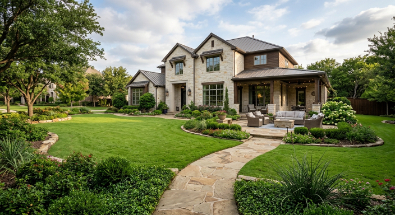
A yard should feel like part of the home, not simply an empty space around it. When the layout, lawn, planting, shade, and outdoor features are planned together, even a basic property can become a place that feels comfortable and useful. That is where thoughtful landscaping Southlake can make a meaningful difference.
For homeowners, the goal is not always to create the most elaborate landscape on the street. A better approach is to create an outdoor space that fits the property and the people who use it. With careful planning, the yard can support quiet mornings, family gatherings, weekend projects, and everyday relaxation while still looking polished from the curb.
Start With How the Outdoor Space Will Be Used
Before choosing plants or deciding where a patio should go, homeowners should think about what they actually want from their yard. A landscape designed for entertaining will have different priorities from one intended mainly for gardening or family recreation.
The most successful projects usually begin with practical questions. Where do people naturally walk? Which areas receive the most sunlight? Is there enough open lawn for children or pets? Would a shaded sitting area make the backyard more useful?
These questions can reveal opportunities that are easy to miss when planning only from an aesthetic perspective.
Give Each Part of the Yard a Purpose
A large property does not need to be divided into complicated sections. A few clearly defined areas can make the space easier to use.
For example, a backyard might include:
- An open lawn for recreation and flexible activities.
- A patio or deck for outdoor dining.
- A shaded seating area for relaxing.
- Planting beds that frame the property and add privacy.
These areas can flow into one another rather than feeling separated. Changes in paving, lawn shape, planting, or elevation can create subtle boundaries without making the yard feel crowded.
Think About Movement
People should be able to move comfortably between the house, driveway, patio, lawn, and garden areas. A pathway that takes an unnecessarily long route or a planting bed that blocks an obvious entrance can make a landscape less convenient.
Planning circulation early also helps protect the lawn. When commonly used routes are clearly defined, there is less temptation to create informal paths through grass or planting beds.
Read the Property Before Changing It
Every Southlake property has its own combination of sunlight, shade, soil, drainage, mature vegetation, and architectural features. A landscape plan should respond to those conditions rather than ignoring them.
Study Sunlight and Shade
Sunlight can change considerably across a yard. One section may receive strong afternoon exposure while another remains shaded beneath mature trees.
This matters when selecting plants and deciding where outdoor seating should go. A patio positioned in an exposed area may become uncomfortable during warmer parts of the day, while a seating space under suitable shade can be much more inviting.
Existing trees should also be evaluated before they are removed. A mature tree may provide shade, privacy, character, and visual scale that would take years to replace.
Understand Drainage
Water movement is another detail that deserves attention before construction begins. If water consistently collects in one area, installing new lawn or decorative planting without addressing the underlying problem can create additional maintenance issues.
Homeowners should observe the yard after rainfall and identify areas where water drains quickly, slowly, or not at all. Grading and drainage improvements may need to come before other landscape work.
Build the Lawn Into the Design
A healthy lawn can act as the visual foundation of a landscape. It provides open space, balances planting beds, and gives families a comfortable surface for everyday outdoor activities.
However, lawn should not automatically be placed everywhere there is available space. Areas that are heavily shaded, difficult to mow, or rarely used may be better suited to other landscape treatments.
Choose Lawn Areas Carefully
A practical lawn layout should be easy to access and maintain. Large open sections are generally simpler to mow than narrow strips scattered around trees and planting beds.
Before installing grass, homeowners should consider how much sunlight the area receives and how it will be used. High-traffic sections may require more attention than decorative areas that are rarely walked on.
The condition of the soil matters as well. Compaction and poor drainage can make it difficult for grass to establish properly, regardless of the installation method.
When Sod Installation Can Help
For homeowners looking for a faster way to establish a finished lawn, Sod installation can be an effective solution. Unlike seed, sod provides an immediate layer of established grass and can dramatically change the appearance of a property in a short period.
The key is preparation. The surface should be cleared, graded, and prepared before the sod is laid. If drainage or soil problems exist underneath, the new lawn may eventually show the same weaknesses as the old one.
New sod also requires careful watering during establishment. It should be monitored closely rather than left to manage itself after installation.
Make Maintenance Part of the Original Plan
One of the most overlooked aspects of landscape design is what happens after the project is complete. A landscape that requires more time and effort than the homeowner can realistically provide will eventually become difficult to manage.
Create a Maintenance-Friendly Layout
Simple choices can make ongoing maintenance considerably easier. Clearly defined lawn edges, accessible planting beds, appropriate plant spacing, and efficient irrigation all contribute to a more manageable property.
A realistic maintenance plan may include:
- Regular mowing and edging.
- Seasonal pruning and plant care.
- Irrigation inspections and adjustments.
- Monitoring lawn areas for weeds, bare patches, or stress.
The objective is not to eliminate maintenance altogether. Every living landscape needs attention. The goal is to make that work predictable and manageable.
Pay Attention to Mowing Patterns
Lawn shape can have a surprising effect on maintenance time. Small isolated sections of grass may require more maneuvering than one larger open area.
Homeowners considering lawn mowing Southlake tx services may encounter this issue when maintaining properties with complicated lawn layouts, although the same principle applies to Southlake yards. A landscape should be designed so mowing equipment can move efficiently without repeatedly navigating around unnecessary obstacles.
Mowing should also be based on grass growth rather than an inflexible schedule. Weather, irrigation, and seasonal conditions can all affect how quickly grass grows.
Choose Plants That Will Age Well
A newly planted landscape can look sparse at first. That does not mean every empty space should immediately be filled. Plants need room to grow, and overcrowding can become a problem surprisingly quickly.
Consider Mature Size
A shrub that appears small at a garden center may eventually spread several feet in every direction. Trees can become even more significant as they mature.
Before planting, homeowners should consider:
- Mature height and width.
- Sun and shade requirements.
- Water needs.
- Expected maintenance.
- Distance from structures and pathways.
Proper spacing creates healthier plants and reduces the need for aggressive pruning later.
Build Layers Into the Landscape
A landscape can feel more natural when plants are arranged in layers. Low-growing plants can define borders, medium shrubs can add structure, and larger trees can provide shade and height.
Repeating certain plant shapes or textures throughout the property can also create visual continuity. There is no need to use dozens of different species to make a landscape interesting.
A carefully selected group of plants can create a more refined appearance than an overcrowded collection of unrelated varieties.
Create Outdoor Areas People Want to Use
The real measure of a successful outdoor living space is whether people actually spend time there. A beautiful patio that is too hot, exposed, or disconnected from the house may not receive much use.
Add Comfortable Seating
Outdoor seating should be positioned according to how the space will be used. A dining table may belong near the kitchen entrance, while a quieter seating area could face a garden, pool, or attractive part of the property.
Privacy can also influence comfort. Trees, shrubs, fences, and landscape screens can create separation from neighboring properties without making the yard feel enclosed.
Use Shade as a Design Feature
Shade is both a comfort feature and a landscape asset. Mature trees can provide natural protection while adding character and vertical interest to the property.
Where existing shade is limited, homeowners can consider structures such as pergolas or covered seating areas. The important thing is to position shade where it will actually improve outdoor use rather than simply adding it because it looks attractive.
Bring Hardscape and Greenery Together
Hardscape elements can give a landscape structure, but they should complement rather than overpower the living parts of the yard.
Connect the Home and Yard
A patio, walkway, retaining wall, or seating area can create a transition between indoor and outdoor spaces. Materials should relate naturally to the architecture of the home.
For example, a walkway leading from the back door to a seating area can make the yard feel more connected to daily life. Planting along the route can soften hard surfaces and make the transition more inviting.
Avoid Too Much Hard Surface
More paving does not necessarily create a better outdoor space. Large amounts of hardscape can reduce usable lawn, increase visual density, and create additional maintenance considerations.
A balanced combination of lawn, planting, and hardscape generally creates a more comfortable environment.
Improve Irrigation Instead of Simply Adding Water
A healthy landscape needs appropriate moisture, but more water is not always better. Overwatering can create weak growth, encourage certain problems, and waste resources.
Check Irrigation Coverage
Sprinkler heads can become blocked, damaged, or misaligned. A system that worked well when first installed may not provide the same coverage after plants grow or landscape features change.
Homeowners should periodically check for dry patches and areas receiving excessive water. Irrigation schedules should also be adjusted as weather conditions change.
Group Plants With Similar Needs
Planting species with similar water requirements together can make irrigation more efficient. It also prevents one plant from receiving too much or too little water simply because it shares a zone with plants that have different needs.
This type of planning may not be immediately noticeable, but it can make long-term landscape maintenance much easier.
Think About Lawn Care Beyond Mowing
A lawn needs consistent attention if it is going to remain an attractive part of the landscape. Mowing is only one part of the process.
Homeowners may also need to monitor soil conditions, weeds, irrigation, seasonal growth, and areas of thinning or discoloration.
Respond to Problems Early
A small bare patch is easier to investigate than a large section of declining grass. Likewise, a minor irrigation issue can often be corrected before it affects an entire lawn.
This is where lawn care Southlake services can serve as a useful example of the broader maintenance principle: professional lawn care is most effective when it is consistent and preventive rather than limited to emergency fixes. For a Southlake property, the same approach can help maintain a healthier landscape over time.
Avoid Common Landscape Planning Mistakes
Some landscaping problems are caused by choices that seemed reasonable during the initial project. Thinking about future maintenance and plant growth can prevent many of them.
Mistakes Worth Avoiding
Homeowners should be cautious about:
- Planting large trees too close to buildings.
- Installing lawn in areas where grass receives insufficient sunlight.
- Ignoring drainage before landscape installation.
- Choosing plants only for their current appearance.
- Creating more planting beds than they can realistically maintain.
A landscape should serve the property instead of forcing the homeowner to constantly work around poor planning.
Professional Help Can Make Complex Projects Easier
Not every landscape project needs professional involvement. Small planting updates, routine maintenance, and minor improvements may be manageable for homeowners.
Larger projects can be different. When grading, irrigation, lawn replacement, planting, hardscape, and outdoor living areas are being changed together, the order of work matters.
Know When to Bring in a Professional
Professional landscape services can help evaluate the property before work begins and identify issues that may not be obvious to a homeowner. This can be especially useful when the project involves drainage, extensive lawn replacement, mature trees, or major outdoor construction.
For ongoing maintenance or larger landscape improvements, The Grounds Guys of Southlake can provide professional lawn and landscape support. The benefit of professional help is not simply the finished appearance; consistent maintenance and proper planning can help protect the work after installation.
Design for the Seasons, Not Just One Moment
A landscape should continue to look and function well as the year changes. Plants grow, temperatures shift, lawn conditions change, and outdoor habits may vary by season.
Give the Yard Year-Round Interest
Evergreen plants can maintain structure when other plants become less prominent. Trees can provide shade during warmer periods, while seasonal flowers can add temporary color without defining the entire design.
Seasonal maintenance should also be expected. Tasks may include:
- Adjusting irrigation as weather changes.
- Monitoring lawn growth and condition.
- Pruning plants when appropriate.
- Cleaning beds and refreshing mulch.
The goal is not to make the landscape look identical throughout the year. A healthy outdoor space can change naturally while retaining its overall structure.
Take a Phased Approach to Major Improvements
A homeowner does not have to complete every landscape improvement at once. Breaking a project into stages can make it easier to manage financially and practically.
Fix Problems Before Adding Features
Structural issues should usually come first. If water collects in the backyard, that should be addressed before a new patio or lawn is installed. If the soil is severely compacted, it may need attention before planting.
Once the foundation is in good condition, homeowners can focus on visual and lifestyle improvements.
A phased project might begin with:
- Drainage, grading, or soil corrections.
- Lawn improvement or replacement.
- Walkways and outdoor living areas.
- Trees, shrubs, and planting beds.
- Lighting and finishing details.
This sequence can reduce the likelihood of damaging newly completed work during later stages.
Plan for How the Yard Will Change
The landscape you install today will not remain exactly the same. Trees become larger, shrubs spread, and families often change how they use their outdoor space.
Think Five Years Ahead
Before choosing a major feature, consider its future impact. Will a tree still have enough room when it matures? Will the patio remain large enough for the family? Will the planting beds still be accessible?
Long-term planning can save money by reducing unnecessary replacements and helping homeowners choose features that can adapt to changing needs.
The best landscape is rarely the one that follows every current trend. It is the one that continues to provide comfort, function, and visual appeal as the property develops.
Small Changes Can Transform the Experience
Outdoor improvement does not always require a complete renovation. Sometimes a few carefully selected changes can make the biggest difference.
Replacing tired lawn areas, adding shade, improving a pathway, defining a seating area, or introducing a few strategically placed trees can change how the property feels.
Prioritize What Will Be Used
When budgets are limited, homeowners should focus on improvements that affect everyday life. A comfortable seating area may provide more value than a decorative feature that is rarely used.
Likewise, repairing drainage or improving a struggling lawn may produce a greater long-term benefit than adding more plants to an already crowded landscape.
The strongest projects are built around how people live, not simply how the property looks in photographs.
Conclusion
A thoughtful approach to landscaping Southlake can turn an ordinary yard into a genuine extension of the home. The process starts with understanding the property and continues through lawn selection, plant placement, irrigation, outdoor comfort, and realistic maintenance planning.
Good landscape design does not depend on adding endless features. It depends on making smart decisions about space, movement, sunlight, drainage, and long-term growth. Whether the goal is a healthier lawn, a more inviting patio, or a complete outdoor transformation, every element should have a reason for being there.
When homeowners design with both present needs and future changes in mind, the result can be more than attractive curb appeal. It can become an outdoor environment that feels comfortable, useful, and naturally connected to everyday life.
Frequently Asked Questions
What should I consider before starting landscaping in Southlake?
Start by evaluating sunlight, drainage, soil, existing trees, lawn condition, and how the property will be used. These details can guide almost every later landscaping decision.
Is Sod installation suitable for a residential yard?
Sod can be a practical choice when homeowners want an established lawn quickly. However, proper soil preparation, suitable grass selection, and consistent watering are essential for successful establishment.
How can I make my backyard more comfortable?
Shade, seating, privacy, lighting, and convenient pathways can make a backyard more enjoyable. Focus on features that support the activities you actually plan to do outdoors.
Does a larger landscape always require more maintenance?
Not necessarily. A well-planned landscape can be easier to maintain than a smaller property filled with complicated planting beds, awkward lawn sections, or unsuitable plants.
How can I reduce lawn maintenance?
Simplifying lawn shapes, selecting appropriate grass, improving irrigation, and replacing difficult areas with suitable planting or hardscape can reduce unnecessary maintenance.
When should I hire a professional landscaping service?
Professional help can be useful for drainage issues, extensive lawn replacement, irrigation work, mature trees, or large projects involving several landscape elements that need to work together.
