
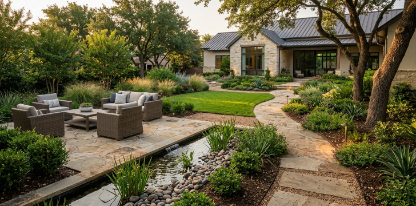
A well-designed yard should do more than look good from the street. It should make everyday outdoor life easier, more comfortable, and more enjoyable. The right layout can create room for relaxing, entertaining, gardening, or simply enjoying some fresh air without making the property difficult to maintain.
That is why landscaping design Frisco homeowners choose should begin with how the space will actually be used. A thoughtful design connects the lawn, plants, walkways, patios, and other features into one practical environment rather than treating each element as a separate project.
Start With the Way You Live Outdoors
The first step in a successful landscape project is understanding what the yard needs to accomplish. A family with children may want a large open lawn, while another household may care more about a private seating area or an outdoor dining space.
There is no single layout that works for every property. Even neighboring homes can have completely different requirements because of their size, orientation, household routines, and existing landscape features.
Before choosing materials or plants, homeowners can consider questions such as:
- How will the yard be used most often?
- Which areas should remain open?
- Where would seating be most comfortable?
- Are there existing trees or features worth preserving?
- How much maintenance can realistically be handled?
Answering these questions early helps prevent expensive changes later.
Design Around Existing Features
A landscape does not always need to start from an empty canvas. Mature trees, established shrubs, slopes, fences, and architectural features can become useful parts of the design.
For example, a mature tree may already provide the shade needed for an outdoor seating area. Removing it and installing a new shade structure may create unnecessary work when the existing tree could have been incorporated into the plan.
Good design works with the property instead of constantly fighting against it.
Create a Layout That Feels Natural
A beautiful landscape can still feel awkward if people have to walk around obstacles or cross planting beds to reach different parts of the yard.
Paths and transitions should therefore be considered early. The route from the back door to the patio, driveway to the front entrance, or patio to the lawn should feel natural rather than forced.
Connect Different Outdoor Zones
One large yard can support several activities without needing walls or heavy separation. Changes in materials, planting, elevation, or lawn shape can subtly define different areas.
A practical layout might include:
- A central lawn for flexible use.
- A patio close to the home for dining.
- Planting beds along property boundaries.
- A walkway connecting key areas.
- A shaded corner for quieter outdoor use.
These spaces should still feel connected. Too many isolated sections can make a yard feel smaller and harder to maintain.
Give the Lawn a Clear Role
Grass remains one of the most useful elements in residential landscaping because it provides open space and visual balance. But installing lawn simply because an area is empty is not always the best decision.
A lawn should ideally be placed where it can receive suitable sunlight, be accessed easily, and serve a purpose.
Avoid Awkward Grass Sections
Narrow strips between fences and planting beds may look attractive on a plan but can become frustrating to mow. Small islands of grass surrounding trees or decorative features can create even more maintenance work.
Before expanding a lawn, homeowners should think about how equipment will move through the area. A simple lawn shape is often easier to maintain and can look cleaner than a complicated arrangement.
This is where professional lawn care Frisco planning can complement landscape design. Maintaining the grass should be considered before the final layout is installed, not after.
Think Carefully About Plant Selection
Plants add color, texture, shade, privacy, and seasonal interest, but choosing them based only on appearance can create problems later.
A plant that looks perfect at the nursery may become too large for its location or require more water and pruning than expected.
Consider Mature Size
Before planting, homeowners should check the expected mature height and width of each species. This is particularly important around windows, walkways, driveways, fences, and utility areas.
Planting with enough space allows vegetation to develop naturally and reduces the need for constant trimming.
Other considerations include:
- Sunlight requirements.
- Water needs.
- Mature dimensions.
- Seasonal appearance.
- Maintenance requirements.
A smaller number of well-chosen plants can often produce a stronger result than filling every available space.
Use Trees to Add More Than Shade
Trees can have a major influence on how a property feels. They add height, soften architecture, provide shade, and can help create privacy.
Their location matters just as much as their appearance.
Plan for Future Growth
A tree that looks appropriately sized when planted may eventually spread far beyond its original footprint. Its mature canopy and root system should be considered before installation.
Homeowners should also think about how future shade will affect lawn areas. A grass section that receives plenty of sunlight today may become increasingly shaded as nearby trees grow.
Good landscape planning considers the yard five or ten years from now rather than focusing only on its appearance immediately after installation.
Make Outdoor Living Comfortable
An outdoor living area should be designed around comfort rather than simply adding a patio because it is fashionable.
The position of the patio, direction of sunlight, privacy, access to the house, and nearby landscaping can all influence whether the space gets regular use.
Choose the Right Location
A patio close to the kitchen may be ideal for outdoor dining. A seating area farther into the yard might be better for relaxing and enjoying a garden.
If an area receives intense afternoon sunlight, shade should be considered before furniture and decorative features are selected.
Comfort can come from mature trees, pergolas, covered structures, strategically placed plants, or a combination of these elements.
Make Hardscape Part of the Overall Design
Hardscape includes features such as patios, walkways, retaining walls, steps, and other nonliving elements. These features provide structure, but they should work naturally with the lawn and planting areas.
Choose Materials That Fit the Property
The materials used around a home should complement its architecture rather than compete with it.
A modern home may work well with clean lines and simple paving, while a more traditional property may benefit from natural stone or softer transitions.
Consistency is important. Using too many unrelated materials can make the yard look visually fragmented.
At the same time, homeowners should avoid covering excessive portions of the property with hard surfaces. A balanced combination of greenery and hardscape usually creates a more inviting environment.
Plan Drainage Before Installing New Features
Drainage problems can undermine even an attractive landscape. Water that collects near foundations, patios, planting beds, or lawn areas can create long-term issues if it is not addressed properly.
Watch What Happens After Rain
One of the simplest ways to understand drainage is to observe the property after significant rainfall.
Look for areas where:
- Water remains for unusually long periods.
- Soil becomes excessively muddy.
- Runoff moves toward the home.
- Lawn sections repeatedly become thin or damaged.
These observations can help identify problems before new landscaping is installed.
Grading, drainage channels, soil improvements, or other solutions may be appropriate depending on the property. The correct solution should be determined before covering the problem with new grass or plants.
Sod Installation Can Transform a Tired Lawn
When an existing lawn has extensive bare areas or poor-quality grass, repair may not always be the most practical option.
Sod installation offers a way to establish a finished lawn much faster than growing grass from seed. It can give a property a consistent appearance while creating a usable surface relatively quickly.
Preparation Still Matters
New sod cannot compensate for poor soil preparation. The installation area should be properly cleared, graded, and prepared before the grass is placed.
If the soil is compacted or drainage is poor, those conditions should be corrected first.
After installation, watering is particularly important while the sod develops roots. Homeowners should also avoid unnecessary foot traffic during the early establishment period.
Build Maintenance Into the Design
One of the biggest mistakes homeowners make is designing a yard without thinking about how it will be maintained.
A landscape may look impressive when newly installed, but if it requires hours of weekly work, it may eventually become frustrating.
Make Everyday Maintenance Easier
Design decisions can reduce the amount of effort required to keep the property looking good.
For example, clear lawn edges make mowing easier, accessible planting beds simplify pruning, and appropriate plant spacing reduces the need for constant trimming.
A maintenance-friendly landscape may include:
- Simple lawn shapes.
- Defined borders around planting beds.
- Plants selected for the available conditions.
- Accessible irrigation components.
- Durable pathways in high-traffic areas.
The objective is not to eliminate maintenance. Every landscape needs attention. The goal is to make that work manageable.
Keep Mowing in Mind From the Beginning
A landscape should accommodate mowing equipment rather than forcing the mower through awkward spaces.
This is particularly important for homeowners who use professional lawn mowing Frisco TX services. Efficient access allows routine mowing to be completed more consistently and reduces unnecessary maneuvering around trees, beds, and decorative features.
Avoid Creating Maintenance Traps
Small lawn corners and narrow strips may seem harmless during the design stage. Over time, however, they can become some of the most annoying areas to maintain.
When possible, combine lawn into larger, accessible sections and use planting or hardscape for areas where grass would be difficult to manage.
This creates a cleaner appearance while making routine maintenance more efficient.
Professional Planning Can Prevent Expensive Mistakes
Some landscaping projects are straightforward enough for homeowners to handle themselves. Others involve multiple elements that need to work together.
Large lawn replacements, drainage changes, extensive planting, irrigation adjustments, and hardscape construction can quickly become complicated if they are approached separately.
Professional guidance can help homeowners determine the correct order of work and identify potential problems before installation begins.
For local homeowners, The Grounds Guys of frisco can assist with professional lawn and landscape services when a property requires consistent care or more involved outdoor improvements. Professional support can be particularly useful when homeowners want the finished landscape to remain manageable after the initial project is completed.
Avoid Designing Only for Curb Appeal
Front-yard appearance matters, but a landscape should not be judged only by how it looks from the road.
A backyard that provides comfortable shade, usable lawn, privacy, and convenient access may offer much more value to the household than an elaborate front-yard display that is rarely used.
Think About Everyday Experience
A good landscape should make normal activities easier.
That could mean creating a clear path from the kitchen to the patio, providing a comfortable place to sit during warm evenings, or leaving enough lawn space for children and pets.
Design becomes more meaningful when it supports real routines instead of simply following trends.
Use Lighting With Restraint
Outdoor lighting can extend the usefulness of a landscape into the evening and highlight important features.
Pathway lighting can improve visibility, while subtle accent lighting can draw attention to trees, walls, or architectural elements.
However, too much lighting can make the property feel harsh. A few carefully positioned fixtures often create a more sophisticated result than covering every pathway and planting bed with lights.
Lighting should also be planned alongside electrical access, irrigation, planting growth, and future maintenance.
Leave Room for the Landscape to Grow
New landscapes often look slightly sparse because plants have not reached their mature size. This is normal.
Trying to fill every gap immediately can lead to overcrowding later. Plants need room to develop naturally.
Design With Time in Mind
A landscape should be considered as a living system. Trees become larger, shrubs spread, lawns change with shade, and family needs evolve.
Homeowners should ask:
- What will this tree look like in five years?
- Will this patio still provide enough space?
- Could growing plants block a walkway?
- Will the lawn receive enough sunlight as trees mature?
Thinking ahead can reduce unnecessary pruning, removal, and replacement costs.
Keep the Design Flexible
Outdoor spaces do not need to be permanently locked into one use. A lawn can support games today and become a gathering space for adults later. A patio can work for family dinners and eventually become an entertainment area.
Flexible design is especially useful for families whose routines change over time.
Movable furniture, open lawn areas, adaptable planting zones, and practical pathways can make a yard easier to modify without starting the entire project again.
Common Landscaping Design Mistakes to Avoid
Even well-intentioned projects can run into trouble when planning is rushed.
Some common mistakes include:
- Choosing plants without considering mature size.
- Installing grass in unsuitable shade.
- Ignoring drainage until after construction.
- Creating too many small planting or lawn areas.
- Choosing materials that do not complement the home.
- Designing without considering maintenance access.
Avoiding these issues does not require an overly complicated plan. It simply requires looking beyond the first impression and considering how the landscape will function after installation.
Think of the Yard as One Connected Space
The strongest designs do not treat the lawn, patio, trees, planting beds, and pathways as separate projects. Each element should support the others.
A walkway should connect useful destinations. Trees should provide shade without creating unnecessary lawn problems. Planting beds should frame the property without making mowing difficult.
This connected approach is what gives landscaping design Frisco projects a sense of purpose. The result feels intentional because every major element has a practical relationship with the rest of the yard.
Conclusion
Good landscape design is not about filling a property with more features. It is about making better decisions about the space that already exists.
Thoughtful landscaping design Frisco homeowners can rely on should consider how the yard will be used, how plants will grow, where water will move, how the lawn will be maintained, and how outdoor areas will change over time. Lawn shape, Sod installation, planting choices, pathways, lighting, and outdoor living features all have a role when they are planned as part of one connected environment.
The most successful landscape is often the one that feels effortless to use. It provides attractive surroundings while making everyday outdoor life more convenient. With careful planning and realistic maintenance in mind, a Frisco yard can become a comfortable extension of the home rather than simply another space to maintain.
Frequently Asked Questions
What should I consider before starting a landscape design project?
Start with how you plan to use the property. Then evaluate sunlight, drainage, existing trees, lawn condition, access, and the amount of maintenance you are comfortable handling.
Is Sod installation a good choice for a new landscape?
Sod can be useful when homeowners want an established lawn quickly or when existing grass is severely damaged. Proper soil preparation and watering are still essential for successful establishment.
How can landscape design reduce lawn maintenance?
Simplifying lawn shapes, avoiding narrow grass strips, selecting suitable plants, and creating defined transitions between lawn and planting areas can make routine maintenance easier.
Should I keep mature trees when redesigning my yard?
Healthy mature trees can provide shade, privacy, and character, so they are often worth incorporating into a new design. Their condition, location, and future growth should be evaluated before making a decision.
Does drainage need to be addressed before landscaping?
Yes. Persistent drainage problems can damage lawns, plants, patios, and other features. Identifying and addressing water movement early can prevent larger problems later.
How often should landscaping be redesigned?
There is no fixed schedule. A landscape may remain effective for many years if it was planned well, although individual elements such as plants, irrigation, or lawn areas may eventually need updates.
