Acne can leave behind more than temporary blemishes. Once active acne settles, many people are left with dark marks, uneven skin tone, rough texture, or shallow acne scars that can make the complexion appear less smooth. Chemical peels are a popular cosmetic treatment designed to refresh the surface of the skin and improve several visible concerns associated with acne. Chemical Peels in Abu Dhabi are increasingly considered by people who want to improve the appearance of acne-related marks while encouraging a smoother and brighter-looking complexion. The treatment involves applying a specially selected chemical solution to the skin. This solution works on the outer layers of the skin, encouraging the shedding of damaged surface cells and supporting the development of fresher-looking skin.
How Do Chemical Peels Help Acne Marks?
Acne marks can develop after inflammation from breakouts. They may appear as brown, reddish, or darker areas that remain visible after the original blemish has disappeared. Unlike deeper scars, these marks are often related to changes in pigmentation rather than significant changes in the skin’s structure.
Chemical peels can help improve the appearance of these marks by exfoliating damaged surface cells. As older cells are removed, fresher skin becomes more visible. Certain peel formulations may also support a more even-looking complexion by targeting excess pigmentation.
The treatment can therefore be particularly useful for people whose primary concern is post-acne discoloration rather than deep, indented scarring.
Can Chemical Peels Improve Acne Scars?
Chemical peels may improve the appearance of some superficial acne scars, particularly when the scars are relatively shallow. By encouraging controlled exfoliation, certain peels can make uneven skin texture appear smoother and more refined.
However, not every type of acne scar responds in the same way. Deep or pronounced scars involve changes beneath the skin’s surface and may require a different type of professional treatment. Chemical peels are generally more suitable for surface-level concerns than significant structural scarring.
A proper skin assessment can help determine whether a chemical peel matches the type and severity of acne scarring present.
What Types of Acne Concerns Can Peels Address?
Chemical peels can be used to target several concerns that commonly remain after acne. These include uneven pigmentation, dull-looking skin, rough texture, superficial marks, and mild irregularities in the skin’s surface.
The exact results depend on the formulation used and the condition being treated. Some peels are designed for gentle surface exfoliation, while others work more deeply. The treatment should therefore be selected according to individual skin characteristics rather than simply choosing the strongest available option.
How Do Chemical Peels Improve Skin Texture?
Acne can leave the skin looking uneven because of both active inflammation and residual changes in the surface. A chemical peel removes accumulated dead skin cells and promotes surface renewal.
As the skin renews, rough areas may appear smoother and the complexion can look more refined. Regularly appropriate treatments may also support a more consistent skin texture over time.
The improvement is usually gradual rather than immediate. Skin renewal takes time, so expectations should focus on progressive improvement rather than an instant transformation.
Are Chemical Peels Suitable for Every Type of Acne Scar?
No single cosmetic treatment is suitable for every type of acne scar. Superficial marks and mild textural irregularities may respond more readily to chemical exfoliation, while deeper scars can be more challenging.
Acne scars can vary considerably. Some are mainly related to pigmentation, while others involve depressions or changes in the skin’s structure. Because of these differences, the treatment approach should be based on the specific concern rather than using a standard peel for every case.
A professional evaluation can help identify whether the primary concern is pigmentation, surface texture, or deeper scarring.
What Can You Expect During a Chemical Peel?
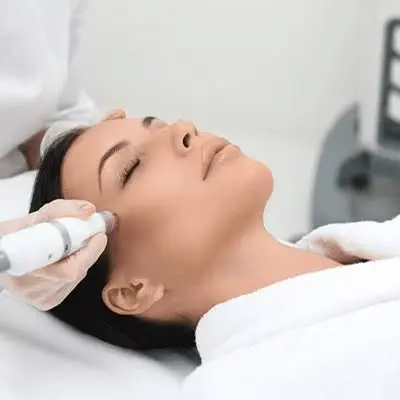
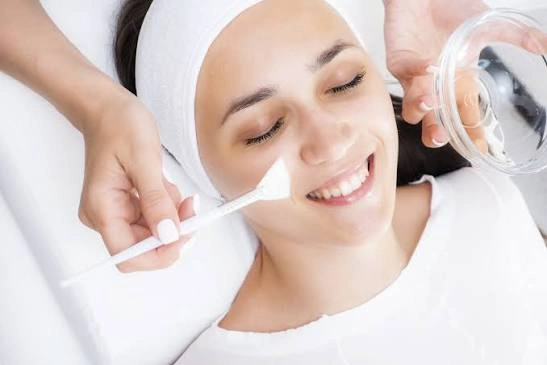
A chemical peel generally begins with cleansing the skin so the treatment area is prepared for the selected formulation. The chemical solution is then carefully applied to the targeted area.
The duration and strength of treatment can vary depending on the type of peel and the skin concern being addressed. The goal is controlled exfoliation of the skin’s surface so that older cells can gradually be replaced by fresher-looking skin.
After treatment, the skin may go through a renewal period. The appearance of the treated area can change gradually as the skin progresses through its normal regeneration process.
How Many Chemical Peels May Be Needed for Acne Marks?
The number of treatments varies from person to person. Someone with mild discoloration may require a different treatment approach from someone dealing with persistent pigmentation or uneven texture.
Chemical peels are often considered as part of a treatment series when gradual improvement is desired. The interval between treatments should be determined according to the selected peel and the individual’s skin condition.
Rather than focusing on a fixed number of sessions, it is more useful to consider how the skin responds and whether the treatment is addressing the original concern effectively.
Why Is Professional Treatment Important?
Chemical peels involve active ingredients that interact directly with the skin. Choosing an appropriate formulation and application method is therefore important for achieving a controlled treatment.
Professional assessment allows the skin type, pigmentation concerns, acne history, and scar characteristics to be considered before treatment. This helps determine whether a superficial, moderate, or another type of peel is appropriate.
Personalized treatment can also help ensure that the approach focuses on the actual cause of the visible concern rather than treating every form of acne scarring in the same manner.
Can Chemical Peels Help Prevent Future Acne Marks?
Chemical peels primarily address existing skin concerns, but certain formulations may also be incorporated into broader skincare approaches for people prone to acne-related buildup and uneven texture.
The main benefit is improved surface renewal, which can help maintain a smoother and more refined-looking complexion. However, controlling active acne remains important because repeated inflammation can continue to create new marks.
For this reason, treatment planning should consider both current acne activity and the marks left behind by previous breakouts.
What Results Can You Expect From Chemical Peels?
Results vary according to the individual’s skin condition and the type of peel selected. Some people may notice a brighter-looking complexion and smoother surface texture as the skin renews.
Pigmentation may gradually appear less noticeable, while mild unevenness can become less prominent. Deeper acne scars generally require more specialized approaches because their structure extends beyond the superficial layers of the skin.
Realistic expectations are important. Chemical peels can improve the appearance of selected acne-related concerns, but they are not designed to completely erase every type of acne scar.
Why Choose Chemical Peels for Acne Marks?
One of the main attractions of chemical peels is their ability to address several surface-level concerns within one treatment approach. Acne-related pigmentation, dullness, rough texture, and mild irregularities can sometimes occur together.
By encouraging exfoliation and skin renewal, chemical peels can help create a more even-looking and refreshed complexion. The treatment can be adapted to different skin concerns by selecting an appropriate formulation and strength.
For people primarily concerned with post-acne marks rather than deep scars, chemical exfoliation can be an option worth discussing during a professional skin assessment.
Conclusion
Chemical peels can be a useful cosmetic treatment for improving the appearance of selected acne marks, pigmentation, dullness, and superficial textural irregularities. By encouraging controlled exfoliation and skin renewal, they can help create a smoother, more even-looking complexion.
For deeper acne scars, expectations should remain realistic because surface exfoliation may not address significant structural changes. The most suitable chemical peel depends on the individual’s skin characteristics and the specific type of acne concern.
Understanding the difference between acne marks and true acne scars is therefore an important first step. With an appropriate treatment plan, Chemical Peels in Abu Dhabi may help enhance skin texture and create a clearer, fresher-looking complexion.
FAQs
Are chemical peels good for acne scars and marks?
Chemical peels can be helpful for certain acne marks and superficial scars. They are particularly useful for concerns involving pigmentation, dullness, and mild surface irregularities. Deeper acne scars may require a different treatment approach.
Can chemical peels remove dark acne marks?
Chemical peels can help reduce the appearance of some dark marks by exfoliating pigmented surface cells and encouraging skin renewal. The degree of improvement depends on the type and depth of pigmentation.
Do chemical peels work on old acne scars?
They may improve the appearance of some older, superficial acne scars and uneven texture. However, deeply indented scars may not respond sufficiently to surface-level exfoliation alone.
Can chemical peels improve uneven skin texture caused by acne?
Yes, suitable chemical peels can help refine the skin’s surface by removing accumulated dead cells. This may make mild acne-related texture irregularities appear smoother.
Are chemical peels suitable for active acne?
The suitability of a chemical peel depends on the individual’s skin condition and the type of active acne present. A professional assessment can determine whether treatment is appropriate and which formulation best matches the skin.
How long does it take to see results from a chemical peel?
Results can develop gradually as the skin renews. The timing varies according to the peel used, the individual’s skin characteristics, and the concern being treated.
Can chemical peels brighten acne-prone skin?
Chemical exfoliation can help remove dull surface cells and improve the appearance of uneven pigmentation. This may leave acne-prone skin looking brighter and more refreshed.
Are chemical peels useful for post-acne pigmentation?
Yes. Certain chemical peels can be used to improve the appearance of pigmentation left behind after acne. Treatment selection should take the individual’s skin tone and pigmentation pattern into account.
Can chemical peels make acne scars less noticeable?
They may make superficial scars and uneven texture less noticeable by improving the skin’s surface. Deeper scars generally require an approach designed to address structural changes beneath the surface.
Is Chemical Peels in Abu Dhabi a good option for acne marks?
Chemical peels may be a suitable option for people in Abu Dhabi who want to improve superficial acne marks, uneven pigmentation, and mild texture concerns. A personalized skin assessment is important for determining whether the treatment matches the individual’s needs.