
Introduction
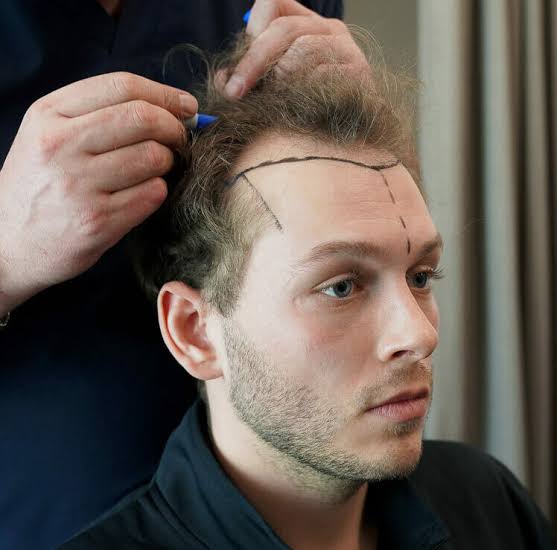
A youthful-looking hairline can play an important role in facial balance because it frames the forehead and influences the overall appearance of the face. Hair loss around the front of the scalp can gradually make the forehead appear broader and change the proportions of facial features. FUE hair transplant in Abu Dhabi can help address these changes by strategically placing individual follicular units into areas where hair density has decreased. The approach focuses on creating a natural-looking hairline that works with existing hair, facial proportions, and individual growth characteristics.
Understanding a Youthful Hairline
A youthful hairline is not necessarily completely straight or positioned at exactly the same level for everyone. Natural hairlines usually contain subtle variations in density, direction, and shape. The transition from the forehead to the scalp is often softer toward the front and gradually becomes denser behind it.
When hair loss occurs, this transition can become less defined. The temples may move backward, the central hairline may become higher, and the overall shape of the forehead can appear different. Hair restoration can focus on recreating a suitable transition while maintaining natural-looking characteristics.
How FUE Works for Hairline Restoration
Follicular unit extraction, commonly known as FUE, involves collecting individual follicular units from a suitable donor region and placing them into selected recipient areas. Because the follicles are transferred individually, their placement can be carefully arranged according to the desired hairline design.
The process allows attention to be given to the angle, direction, spacing, and distribution of individual follicles. These factors are especially important at the front of the scalp, where unnatural placement can be more noticeable.
Rebuilding a Receding Hairline
A receding hairline is one of the most common changes associated with hair loss. It can begin around the temples and gradually extend toward the central frontal region.
FUE can be used to place follicles into carefully selected areas along the receded hairline. The restoration can be designed to create a gradual transition between the forehead and existing hair. By following the individual’s natural facial proportions, the restored hairline can appear more balanced.
Restoring the Temples
The temples have a major influence on the shape of the hairline. When hair becomes thinner in this area, the upper face can appear wider and the hairline may take on a more angular appearance.
Individual follicular units can be positioned around the temple region to rebuild selected areas of lost coverage. The direction of growth is particularly important because temple hair typically grows at a specific angle that differs from some other parts of the scalp.
Creating Natural Hairline Density
A natural hairline generally does not have the same density from front to back. The finest and most widely distributed hairs often appear along the leading edge, while density gradually increases farther into the scalp.
FUE allows follicles to be placed individually, making it possible to create gradual changes in density. This can help the restored hairline avoid an overly uniform appearance and allow it to blend more naturally with existing hair.
Matching Hair Direction
Hair grows at different angles depending on its location. The direction of the hair at the front, temples, and central scalp can vary significantly.
During FUE hairline restoration, the direction and angle of follicular placement can be planned according to the surrounding hair. Matching these characteristics helps create continuity between newly transplanted follicles and existing growth.
Considering Facial Proportions
Hairline design should complement the entire face rather than being considered separately. The height and shape of the hairline can influence how the forehead and other facial features are perceived.
A suitable restoration plan can take facial proportions into account when determining the position and shape of the hairline. This helps create a result that appears consistent with the individual’s natural appearance.
Creating a Soft Hairline Transition
A hard or perfectly straight boundary between the forehead and hair can appear artificial. Natural hairlines generally have subtle irregularities and variations in density.
FUE can support a softer transition by allowing individual follicles to be positioned in a carefully distributed pattern. Finer follicles can be placed toward the front, while greater density can gradually appear behind the leading edge.
Using Individual Follicular Units
One of the defining characteristics of FUE is the individual handling of follicular units. Each unit can contain one or more hairs and can be selected and placed according to the restoration requirements.
For hairline work, single-hair follicular units can be particularly useful for creating a delicate frontal transition. Larger follicular units may be positioned farther behind the hairline where greater density is appropriate.
Working With Existing Hair
Hairline restoration does not always involve replacing an entirely empty area. Many people have existing hairs that have become thinner or less dense.
Transplanted follicles can be positioned among existing growth to improve the appearance of coverage. Careful distribution can help the new and existing hairs work together and create a more continuous visual pattern.
Addressing Different Hair Textures
Hair texture can influence how a restored hairline appears. Straight, wavy, curly, and tightly textured hair can each create different levels of visual coverage.
FUE planning can consider these characteristics when determining follicle placement and density. Curly or wavy hair may create additional visual volume, while fine straight hair may require more careful distribution to achieve a balanced appearance.
Restoring Hairline Symmetry
Hair loss can make the two sides of the hairline appear uneven. One temple may recede more than the other, or the central hairline may become irregular.
Hair transplantation can be planned to improve the visual balance between the two sides. However, natural hairlines often contain slight asymmetry, so the objective is generally a natural balance rather than perfect geometric symmetry.
Supporting a Natural Hairline Shape
Different people naturally have different hairline shapes. Some may have a rounded appearance, while others may have a more defined central region or subtle temple recession.
FUE restoration can be designed around the individual’s facial structure and existing characteristics. Maintaining an appropriate shape can help ensure that the restored hairline does not look disconnected from the person’s overall appearance.
Donor Hair and Hairline Restoration
Donor hair provides the follicular units used for transplantation. Its thickness, texture, density, and natural growth characteristics can influence the planning process.
Because the donor supply is limited, follicles can be used strategically in the most visible areas. The frontal hairline often receives particular attention because it has a strong influence on the overall appearance.
Gradual Development of the Restored Hairline
Hair restoration is a gradual process. Newly transplanted follicles require time to establish their growth cycle, and visible changes develop progressively.
As the transplanted hair grows, the restored area can gradually become more defined. Over time, the new follicles can integrate with existing hair and contribute to improved frontal coverage.
Why FUE Can Support a Youthful Appearance
A youthful hairline is influenced by more than simply having hair at the front of the scalp. Its shape, density, direction, and relationship with facial proportions all contribute to the overall effect.
FUE provides an individualized approach to follicle placement, allowing these factors to be considered together. By recreating appropriate density and direction while maintaining a natural transition, the restoration can help produce a fresher and more balanced appearance.
Maintaining Natural-Looking Results
The aim of hairline restoration is generally to create an appearance that looks consistent with natural hair growth. Strategic placement can help prevent obvious differences between transplanted and existing areas.
The use of individual follicular units allows attention to be given to small details such as spacing and orientation. These details can contribute significantly to the final visual appearance.
Conclusion
FUE hair transplantation can restore a youthful-looking hairline by strategically placing individual follicular units into areas affected by recession and reduced density. The technique allows attention to hairline shape, follicle direction, density, facial proportions, temple structure, and existing hair characteristics.
A natural-looking result depends on creating a gradual transition rather than simply adding hair to the front of the scalp. By working with the individual’s natural growth pattern and facial structure, FUE can support a balanced and refreshed appearance while maintaining continuity with surrounding hair.
Frequently Asked Questions
Can FUE restore a receding hairline?
FUE can be used to place individual follicular units into selected areas affected by hairline recession, helping improve frontal coverage and balance.
How does FUE create a natural-looking hairline?
Individual follicles can be positioned with attention to spacing, direction, angle, and density, allowing the restored hairline to transition gradually into existing hair.
Can FUE restore the temples?
Yes, selected areas of temple thinning can be addressed through carefully positioned follicular units that follow the natural direction of temple hair.
Does facial shape influence hairline design?
Facial proportions can be considered when planning the position and shape of a restored hairline so that it complements the individual’s overall appearance.
Why is hair direction important in FUE?
Following natural hair direction helps transplanted follicles blend with existing growth and supports a more cohesive appearance.
Can FUE improve an uneven hairline?
FUE can be planned to improve visual balance where one side of the hairline has receded differently from the other.
Does hair texture matter for FUE hairline restoration?
Hair texture can influence visual coverage, so straight, wavy, curly, and tightly textured hair may require different considerations during planning.
Can FUE create a completely straight hairline?
Natural-looking hairlines usually contain subtle variations rather than appearing perfectly straight. FUE can be used to create a hairline shape that complements individual facial features.
How does FUE work with existing hair?
Transplanted follicles can be positioned among existing hair where appropriate, helping improve density and create a smoother transition.
When does the restored hairline become visible?
The appearance develops gradually as transplanted follicles progress through their natural growth cycle and new hair begins to grow.


