

Have you ever wondered what happens above your head when a fire breaks out in a commercial building? What’s actually stopping flames and smoke from spreading rapidly through the ceiling void? And more importantly, is your building properly protected?
Fire safety in commercial spaces isn’t just about extinguishers and exit signs. It starts from above, with the ceiling system that often goes unnoticed until it’s needed most. Fire-rated suspended ceilings play a critical role in protecting occupants, assets, and the structural integrity of buildings during emergencies. Yet many property owners and facility managers overlook this essential component when planning their fire safety strategies.
In this guide, we’ll explore everything you need to know about fire-rated suspended ceilings for commercial buildings. From understanding how they work and the materials involved, to Australian compliance requirements and installation best practices, you’ll walk away with a thorough understanding of why these systems are non-negotiable for modern commercial spaces. Whether you’re fitting out a new office, upgrading a retail centre, or managing a healthcare facility, this information will help you make informed decisions about protecting your building and everyone in it.
What Are Fire-Rated Suspended Ceilings?
Fire-rated suspended ceilings are specialised ceiling systems designed to resist fire for a specified period. Unlike standard ceiling tiles, these systems are engineered to maintain their structural integrity and prevent fire from spreading through the ceiling void during an emergency.
How Do Fire-Rated Ceiling Systems Work?
These systems work by creating a protective barrier between the occupied space below and the concealed void above. When a fire occurs, the ceiling maintains its position and prevents flames, heat, and smoke from penetrating through to other areas of the building. This containment gives occupants precious time to evacuate safely.
The fire resistance is achieved through a combination of non-combustible materials, specialised construction methods, and careful integration with other building elements. The ceiling grid, tiles, and fixing systems all work together to maintain the barrier’s integrity under extreme heat conditions.
Key Components of Fire-Rated Suspended Ceiling Systems
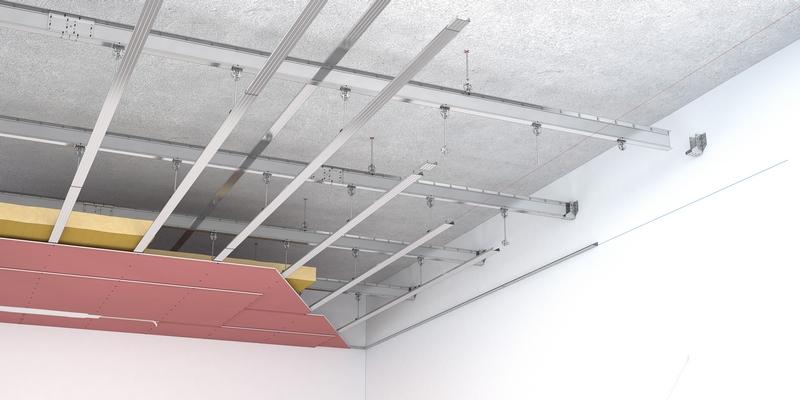
A complete fire-rated ceiling system includes several essential components. The grid framework, typically made from galvanised steel, provides structural support. Fire-rated tiles or panels slot into this grid, creating the protective barrier. Plus, fire-stopping materials seal any gaps around services, penetrations, and wall junctions.
Why Do Commercial Buildings Need Fire-Rated Ceilings?
Commercial buildings present unique fire safety challenges due to their size, occupancy levels, and complexity. Fire-rated ceilings address these challenges head-on.
Australian Building Code Requirements and Compliance
The National Construction Code (NCC) sets out clear requirements for fire resistance in commercial buildings across Australia. Depending on the building class, height, and use, specific Fire Resistance Levels (FRL) must be achieved for various building elements, including ceilings.
Non-compliance isn’t just risky—it’s illegal. Building certifiers won’t sign off on projects that don’t meet these standards, and insurance policies may be voided if a fire occurs in a non-compliant building.
Protecting Occupants, Assets, and Business Continuity
Beyond compliance, fire-rated ceilings protect what matters most. They give people time to escape, reduce property damage, and help businesses recover faster after an incident. The cost of installing proper fire protection pales in comparison to potential losses from an uncontrolled fire.
Types of Fire-Rated Suspended Ceiling Systems
Several ceiling types can achieve fire ratings, each with distinct characteristics.
Mineral Fibre Fire-Rated Ceiling Tiles
Mineral fibre tiles are popular for commercial applications. Made from rock wool or slag wool, these tiles offer excellent fire resistance alongside strong acoustic performance. They’re lightweight, easy to install, and available in multiple finishes.
Plasterboard Fire-Rated Ceilings
Plasterboard systems use specially formulated fire-rated plasterboard fixed to a metal framework. These ceilings provide a smooth, seamless appearance and can achieve high fire ratings. They’re ideal for applications requiring a more traditional ceiling aesthetic.
Metal Fire-Rated Suspended Ceilings
Metal ceiling systems, when properly specified with fire-rated backing panels, offer durability and a contemporary look. They’re particularly suitable for high-traffic areas where impact resistance matters.
What Materials Are Used in Fire-Resistant Ceilings?
Material selection directly impacts fire performance and overall system effectiveness.
Non-Combustible Materials and Their Properties
Fire-rated ceilings rely on non-combustible materials that won’t contribute fuel to a fire. Common materials include mineral fibres, calcium silicate, vermiculite, and specially treated plasterboard. These materials are tested to Australian Standards to confirm their fire resistance properties.
How Material Choice Affects Fire Performance
Different materials perform differently under fire conditions. Some maintain structural integrity longer, while others provide better insulation. The right choice depends on your specific requirements, including the required FRL, acoustic needs, and budget constraints.
Benefits of Installing Fire-Rated Suspended Ceilings in Commercial Spaces
Fire-rated ceilings deliver value beyond fire protection alone.
Enhanced Fire Compartmentalisation
These ceilings help divide buildings into fire compartments, limiting fire spread and protecting escape routes. This compartmentalisation is fundamental to effective fire safety strategies in larger commercial buildings.
Acoustic Performance and Thermal Insulation
Many fire-rated ceiling products also deliver excellent acoustic absorption, reducing noise transfer between spaces. What’s more, they can contribute to thermal insulation, improving energy efficiency and occupant comfort.
Aesthetic Versatility for Modern Commercial Interiors
Today’s fire-rated ceiling options come in various colours, textures, and finishes. You don’t have to sacrifice design for safety—modern systems accommodate both beautifully.
Are Suspended Ceilings a Fire Hazard?
This is a common concern, but the reality may surprise you.
Debunking Common Misconceptions
When properly specified and installed, fire-rated suspended ceilings are safety assets, not hazards. The misconception often arises from older, non-rated ceiling systems that didn’t meet current standards. Modern fire-rated systems are rigorously tested and certified.
Proper Installation and Maintenance for Optimal Safety
The key is correct installation by qualified professionals and ongoing maintenance. Regular inspections confirm that tiles haven’t been displaced, services haven’t been incorrectly penetrated, and fire stopping remains intact.
Fire-Rated Ceilings for Specific Commercial Applications
Different building types have different requirements.
Office Buildings and Corporate Spaces
Offices benefit from ceiling systems that combine fire rating with acoustic performance, creating comfortable work environments while maintaining safety standards.
Retail Centres and Shopping Complexes
High-occupancy retail spaces need reliable fire compartmentalisation. Fire-rated ceilings help protect shoppers and limit potential damage to multiple tenancies.
Healthcare Facilities and Aged Care
These critical facilities require high-performance ceiling systems that protect vulnerable occupants who may have limited mobility during evacuations.
Hotels, Restaurants, and Hospitality Venues
Hospitality venues combine multiple risks—cooking areas, large gatherings, and sleeping guests. Fire-rated ceilings are essential for protecting these diverse occupancies.
How Much Do Fire-Rated Suspended Ceilings Cost?
Cost varies considerably based on several factors.
Factors Affecting Pricing
The required fire rating, material selection, ceiling height, access difficulty, and project size all influence pricing. Higher fire ratings and premium finishes increase costs, while larger projects may benefit from economies of scale.
Long-Term Value and Return on Investment
Consider the bigger picture. Fire-rated ceilings may cost more upfront, but they reduce insurance premiums, ensure compliance, and protect against potentially devastating losses. The return on investment becomes clear when you factor in these long-term benefits.
Choosing and Installing Your Fire-Rated Ceiling System
Making the right choices requires careful planning.
Assessing Your Building’s Fire Safety Requirements
Start by consulting your fire engineer and building certifier. They’ll confirm the required FRL for your specific project based on building classification, height, and use.
Working with Certified Installers and Suppliers
Always engage suppliers and installers with proven experience in fire-rated systems. Check their certifications, request references, and verify they understand the compliance requirements for your project.
Ensuring Compliance During Installation
Installation must follow manufacturer specifications exactly. Any deviation can compromise the fire rating. Ensure proper documentation and inspection throughout the installation process.
Common Installation Mistakes to Avoid
Watch out for incorrect tile placement, inadequate fire stopping around penetrations, and improper grid installation. These mistakes can void your fire rating entirely.
Maintaining Your Fire-Rated Suspended Ceiling System
Ongoing maintenance preserves fire performance over time.
Regular Inspections and Upkeep
Schedule regular inspections to check for displaced tiles, damaged components, and compromised fire stopping. Address any issues immediately to maintain compliance.
When to Replace or Upgrade Your Ceiling System
Ceilings damaged by water, impact, or age may need replacement. Additionally, building code updates or changes in building use may require upgraded fire ratings.
Investing in Fire-Rated Suspended Ceilings for Peace of Mind
Fire-rated suspended ceilings are genuinely essential for commercial buildings across Australia. They provide critical protection during emergencies, ensure compliance with building regulations, and deliver additional benefits like acoustic performance and aesthetic appeal.
The investment in proper fire-rated ceiling systems pays dividends through reduced insurance costs, regulatory compliance, and most importantly, protection of human life. When you consider the alternative—an uncontrolled fire spreading rapidly through ceiling voids—the choice becomes obvious.
If you’re planning a commercial fitout or upgrade, make fire-rated ceilings a priority from the start. Work with experienced professionals, specify appropriate fire ratings, and maintain your systems properly. Your building’s occupants, your assets, and your peace of mind all depend on getting this right.

