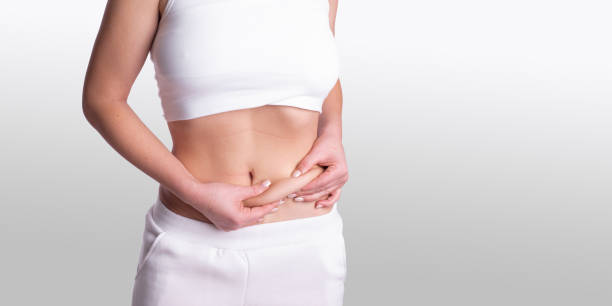
Fat reduction is increasingly considered by people who want to refine specific areas of their body where localized fat remains noticeable despite maintaining a relatively stable weight. Unlike general weight management, targeted contouring focuses on selected areas to improve proportions and definition. For individuals considering Fat Reduction in Abu Dhabi, understanding how long the results may last is an important part of setting realistic expectations. The longevity of fat reduction results depends on the treatment approach, the targeted area, individual body composition, and how consistently a stable weight is maintained afterward.
Understanding What Fat Reduction Actually Does
Fat reduction is primarily designed for body contouring rather than overall weight loss. Its purpose is to address localized deposits of fat in areas such as the abdomen, waist, thighs, arms, back, or beneath the chin.
Different treatments approach fat tissue in different ways. Some non-invasive methods are designed to target fat cells using controlled energy or temperature, while more intensive procedures can directly remove localized fat.
The objective is to reduce the prominence of selected fat deposits and improve the appearance of the surrounding contours. Understanding this purpose is essential when considering whether results can be long-lasting.
Can Fat Reduction Results Last?
Fat reduction can provide long-lasting contouring results when the targeted fat cells are appropriately addressed and overall body weight remains relatively stable. However, long-lasting does not necessarily mean that the treated area will remain completely unchanged throughout life.
The body continues to change with age, weight fluctuations, lifestyle changes, and natural shifts in body composition. These factors can influence the appearance of treated and untreated areas over time.
When a person maintains a relatively stable weight, the contours created through targeted fat reduction can generally be supported for a longer period. This makes weight stability an important part of maintaining the visual benefits of body contouring.
What Happens to Fat Cells After Treatment?
The answer depends on the type of fat reduction treatment used. Certain approaches are designed to reduce or remove targeted fat cells, while others work through processes that gradually address the treated tissue.
When fat cells are permanently removed from a particular area, the body does not simply recreate the exact same number of cells in that location. However, remaining fat cells throughout the body can increase in size when overall body weight rises.
This means that maintaining the results is not about preventing the body from ever changing. Instead, it is about supporting a stable body composition so that the refined contours remain proportionate.
Why Weight Stability Matters
Weight fluctuations can influence the appearance of body contours after fat reduction. If overall body weight increases significantly, remaining fat cells can become larger, potentially affecting areas that were previously treated as well as untreated regions.
This does not mean that a person must maintain an exact weight indefinitely. Normal changes in body composition can occur naturally. The key consideration is avoiding substantial and repeated changes that may alter overall proportions.
A consistent approach to general health and fitness can therefore complement the results achieved through body contouring.
Which Areas Can Have Long-Lasting Contouring?
Many areas commonly treated with fat reduction can maintain their improved contours when the individual’s weight remains relatively stable. These include the abdomen, waist, flanks, thighs, upper arms, back, and area beneath the chin.
The longevity of visible results can vary because each body region has different characteristics. The amount of localized fat, surrounding tissue, skin properties, and natural body structure all contribute to the final appearance.
For this reason, results should be evaluated in terms of overall contour and proportion rather than simply focusing on whether a specific area remains exactly the same.
Does Age Affect Fat Reduction Results?
Age can influence body composition and the appearance of skin and soft tissue over time. Even after successful fat reduction, natural aging can gradually change the contours of the body.
This does not necessarily mean that the original improvement disappears. Instead, the body may continue to evolve, with changes in skin characteristics, muscle mass, fat distribution, and overall proportions.
Maintaining realistic expectations helps individuals understand that body contouring is designed to create an improvement within their existing anatomy rather than stop natural changes from occurring.
Can Fat Return After Treatment?
Localized fat can become noticeable again if overall body weight changes substantially. Although some treatments are designed to permanently address targeted fat cells, the remaining fat cells can enlarge as body weight increases.
Additionally, new areas of localized fullness may become more noticeable if body composition changes over time. This is why long-term results depend partly on maintaining a relatively stable weight and healthy lifestyle.
Fat reduction should therefore be viewed as a long-term body-contouring strategy rather than an unconditional guarantee that body shape will never change.
How Treatment Type Influences Longevity
The type of fat reduction treatment plays an important role in the durability of results. Non-invasive and more intensive approaches work differently, so their expected progression and long-term considerations can vary.
Some non-invasive treatments produce gradual changes as the body processes targeted fat tissue. More intensive procedures can directly remove localized fat, potentially creating a different contouring profile.
A professional assessment can help determine which approach is suitable for the treatment area and desired outcome. Understanding how the selected method works can also provide clearer expectations about the progression and longevity of results.
Why Personalized Planning Matters
Long-lasting body contouring begins with selecting an appropriate treatment for the right area and the right objective. Treating a localized fat pocket without considering surrounding proportions may not produce the most balanced appearance.
A personalized assessment can evaluate the amount and distribution of fat, body structure, skin characteristics, and desired degree of contouring. This helps establish realistic goals and identify the approach that best fits the individual’s needs.
Proper planning also helps distinguish between concerns that can be addressed through localized fat reduction and those that may be influenced by other aspects of body structure.
Maintaining Your Contoured Appearance
After fat reduction, maintaining a relatively stable weight is one of the most important factors supporting long-term body contours. A balanced lifestyle can complement the changes created through treatment and help preserve overall body proportions.
It is also useful to remember that successful body contouring does not require maintaining an exact appearance forever. Natural changes are part of life, and the goal is generally to create an improvement that remains harmonious with the body’s evolving proportions.
What Makes Results Truly Long-Lasting?
The durability of fat reduction results depends on more than the treatment itself. Appropriate candidate selection, a suitable treatment method, realistic expectations, and stable body composition all contribute to long-term satisfaction.
When targeted fat reduction is used for an appropriate localized concern and the individual maintains relatively stable body weight, the resulting contouring can remain noticeable for a long time.
Ultimately, the goal is not to freeze the body at one point in time. It is to create refined proportions that can continue to look natural as the body changes gradually over the years.
Frequently Asked Questions
Does fat reduction provide long-lasting results?
Fat reduction can provide long-lasting body-contouring results, particularly when the targeted fat is appropriately addressed and body weight remains relatively stable. Natural changes over time can still influence overall contours.
Can fat come back after fat reduction?
Fat cells targeted by certain treatments may be permanently reduced or removed, but remaining fat cells can enlarge if overall body weight increases. This can affect the appearance of the treated area.
How can I maintain fat reduction results?
Maintaining a relatively stable body weight and consistent healthy lifestyle can help support the contours achieved through fat reduction. Individual body changes over time should still be expected.
Does fat reduction prevent future weight gain?
No. Fat reduction is a body-contouring treatment and is not designed to prevent future weight gain. Overall weight management remains a separate consideration.
Are fat reduction results permanent?
Some aspects of fat reduction can be long-lasting, particularly when targeted fat cells are permanently addressed. However, the body’s overall shape can change because of weight fluctuations, aging, and natural changes in body composition.