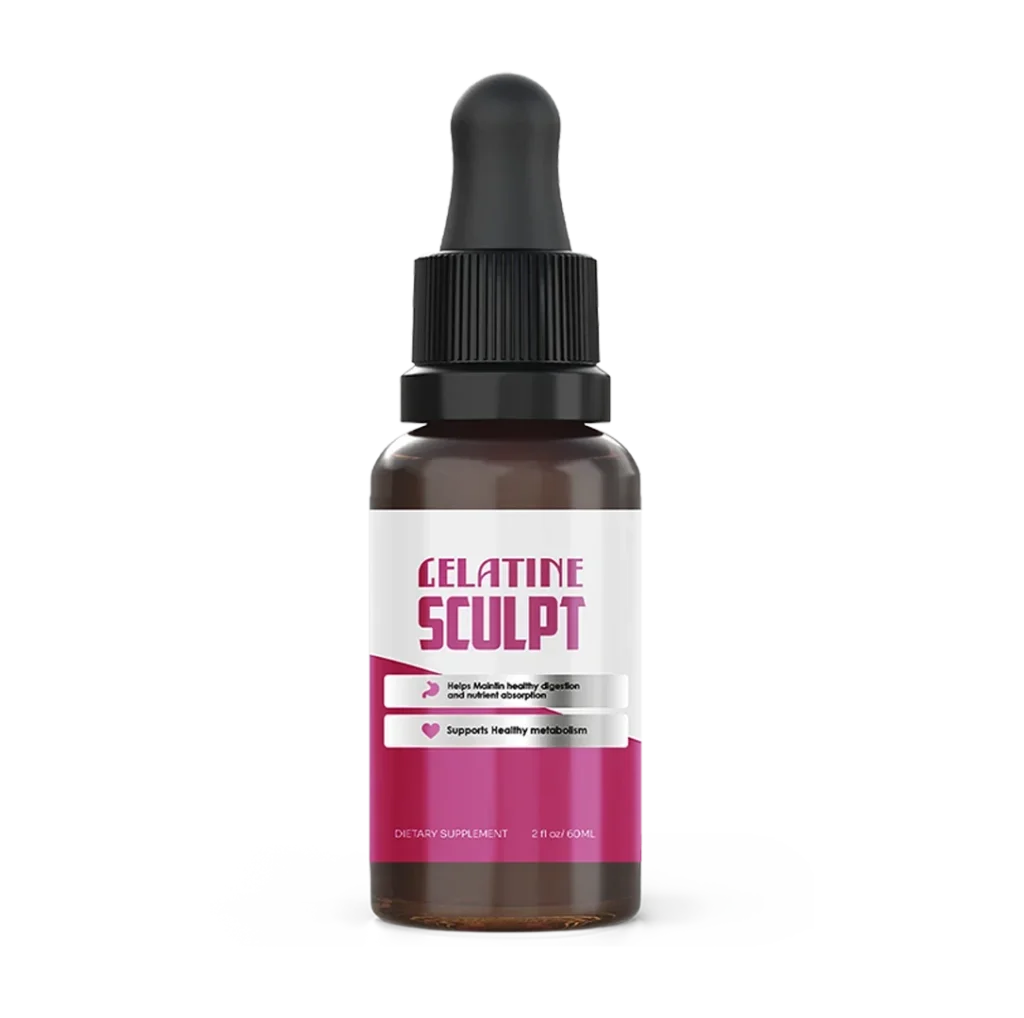
Gelatine Sculpt is a nutritional formulation that can be discussed in the context of gelatin-based and collagen-related products. Gelatin is a protein derived from collagen and has long been used in food preparation, capsules, and nutritional formulations. Learning about its characteristics, ingredient composition, common applications, and appropriate use can help consumers better understand products that include gelatin or related compounds.
The growing interest in nutritional supplements has encouraged many people to pay closer attention to product labels and ingredient lists. Rather than focusing only on promotional descriptions, consumers can benefit from understanding what a formulation contains, how its ingredients are commonly used, and how a supplement fits into an overall lifestyle.
What Makes Gelatin a Common Ingredient?
Gelatin has several characteristics that make it useful in nutritional and food products. It can dissolve in warm liquids and develop a gel-like consistency when cooled. This property allows manufacturers to use it in a variety of applications.
From a nutritional perspective, gelatin is a protein and contains amino acids. The exact nutritional characteristics depend on the source and processing method. It is important to recognize that gelatin and collagen peptides are related but distinct ingredients, as their processing and physical properties can differ.
Understanding the Product Formulation
When examining any nutritional product, the complete formulation provides more useful information than the product name alone. A formulation may include several ingredients designed for different purposes, including nutritional compounds, flavoring agents, sweeteners, or capsule materials.
Consumers should check the serving size and ingredient quantities listed on the packaging. This information helps provide a clearer picture of what is actually being consumed with each serving.
It is also helpful to review the manufacturer’s directions and storage recommendations before incorporating a supplement into a regular routine.
Common Uses of Gelatin
Gelatin has a long history of use in food and manufacturing. It can serve as a thickening agent, stabilizer, or texturizing ingredient in certain foods. It is also commonly used to produce capsules for supplements and other products.
Because gelatin is versatile, its presence in a product does not necessarily indicate one particular purpose. Its function depends on the overall formulation and the way it has been incorporated into the product.
Understanding this distinction can help consumers interpret ingredient lists more accurately.
The Importance of Reading Labels
A product label can provide valuable information about a supplement’s contents. Consumers should look for the serving size, ingredient list, directions, storage information, manufacturer details, and relevant warnings.
Checking the full label is especially important for people with dietary restrictions. Traditional gelatin is generally derived from animal collagen, meaning it may not be suitable for individuals who follow vegetarian or vegan diets.
People with food allergies or sensitivities should also review all ingredients and allergen information carefully.
Supplement Use and Balanced Nutrition
Supplements are generally intended to complement an individual’s normal diet. They should not be viewed as replacements for nutritious meals or healthy lifestyle habits.
A balanced eating pattern can include a variety of protein sources, fruits, vegetables, whole grains, healthy fats, and sufficient fluids. Regular physical activity and adequate sleep are also important components of everyday wellness.
When adding a supplement to a routine, it can be useful to consider the nutritional content of the entire diet. This helps prevent unnecessary duplication of nutrients across multiple products.
Product Quality and Transparency
Quality is an important factor when researching nutritional supplements. Clear labeling and transparent ingredient information can make it easier for consumers to understand what they are purchasing.
Details about the manufacturer, production standards, serving recommendations, and quality-control practices can provide additional context. Where available, independent testing information may also be useful when assessing product consistency.
Consumers should distinguish between factual information and marketing claims. Claims promising guaranteed or immediate results should be approached carefully, as individual experiences with nutritional products can vary.
Responsible Daily Use
Responsible use begins with following the serving instructions provided by the manufacturer. Taking more than the recommended amount does not necessarily provide additional benefits and may be inappropriate.
People who use multiple supplements should compare their ingredient lists to identify overlapping ingredients. Keeping a simple record of regularly used products can make this process easier.
Storage instructions should also be followed. Heat, moisture, and improper storage conditions can potentially affect certain products, so keeping supplements according to their packaging instructions is recommended.
Who Should Review Ingredients Carefully?
Ingredient awareness is particularly important for individuals with specific dietary requirements. Those avoiding animal-derived ingredients should verify the source of gelatin before use.
People who are pregnant or breastfeeding, taking medications, managing a medical condition, or considering a supplement for a particular health concern should consider discussing their options with a qualified healthcare professional.
This approach can help ensure that a new nutritional product fits appropriately within an individual’s broader circumstances.
Final Perspective
Gelatine Sculpt belongs to a broader category of nutritional products that may incorporate gelatin, collagen-related components, and other ingredients into a structured formulation. Understanding gelatin’s origins, reviewing the complete ingredient list, checking serving instructions, and considering dietary preferences are practical steps for making informed choices. Supplements can be part of a broader wellness routine, but balanced nutrition, regular movement, hydration, sleep, and responsible product use remain important foundations for everyday health and well-being.