Wood is one of the most useful materials in a building. It is used in framing, floors, decks, porches, window frames, furniture, and many other parts of a property. However, wood can also attract insects that use it for food, shelter, or nesting.
The challenge is that wood-destroying insect activity is not always obvious. A property may look perfectly normal while insects are working inside wooden materials. By the time visible damage appears, the problem may have been present for some time.
A Wood Destroying Insects Inspection can help property owners understand whether there are visible signs of insect activity or conditions that could increase the risk of wood damage. Kreshco Pest Control, located at 14200 St James Ave, Cleveland, OH 44135, provides pest control services in the surrounding area.
This guide explains what property owners should know about wood-destroying insects, common warning signs, inspection areas, and practical prevention.
What Are Wood-Destroying Insects?
Wood-destroying insects are pests that can damage wooden materials through feeding, tunneling, or nesting. Several different insects can affect structures, and they do not all behave in the same way.
Termites
Termites feed on cellulose found in wood and other plant materials. Subterranean termites can travel through soil and enter structures through foundations and other access points.
Because termites can work inside wood, their activity may not be immediately visible.
Carpenter Ants
Carpenter ants excavate wood to create nesting galleries. They do not consume wood as their primary food source.
They are often associated with damp, damaged, or decaying wood, although they can also establish nests in sound wood.
Carpenter Bees
Carpenter bees create round openings in wood to build nesting tunnels. Exposed and unfinished wooden structures may be particularly vulnerable.
Individual holes may appear small, but repeated activity can cause damage over time.
Wood-Boring Beetles
Some beetle species can damage wood during their larval stage. Their activity may leave tunnels, exit holes, or powder-like material near wooden surfaces.
Identifying the exact insect is important because different species have different habits.
Why Hidden Wood Damage Matters
Wood-destroying insects can be difficult to detect because much of their activity may occur out of sight.
Damage Inside Wood
Some insects tunnel through the interior of wooden materials. The outside surface may look normal while the inside is being affected.
Activity in Hidden Areas
Insects may be active beneath floors, inside wall spaces, crawl spaces, attics, or other locations that are not inspected regularly.
Problems Can Develop Slowly
Wood damage may take time to become noticeable. This can make it easy for property owners to overlook early warning signs.
For this reason, learning what to look for can be valuable even when no obvious infestation is present.
Warning Signs Property Owners Should Know
A few simple clues can help identify possible wood-destroying insect activity.
Mud Tubes
Mud tubes along foundations, walls, or other surfaces can be associated with subterranean termites. These structures may provide protected routes between soil and a building.
Small Holes in Wood
Small holes may indicate the emergence of wood-boring insects. However, holes can also result from old activity or other causes, so they should be evaluated in context.
Sawdust-Like Material
Carpenter ants and some wood-boring insects can leave behind material that resembles sawdust.
Finding this material around wooden structures may justify a closer inspection.
Discarded Wings
Winged termites may shed their wings after leaving a colony to reproduce. Groups of discarded wings near windows, doors, or other areas can be an important warning sign.
Damaged Wood
Wood that appears soft, hollow, weakened, or unusually damaged may have been affected by insects, moisture, decay, or a combination of factors.
Unusual Insect Activity
Repeated sightings of insects around wooden structures should not automatically be ignored. Identifying the insect can help determine whether further investigation is needed.
Areas Commonly Checked During an Inspection
A thorough Wood Destroying Insects Inspection focuses on accessible areas where insects may enter, hide, or damage wood.
Foundation and Exterior Walls
Inspectors may look around foundations, siding, wooden trim, doors, windows, and areas where wood is close to the ground.
Basements and Crawl Spaces
These areas can be important because they may contain structural wood and may also have moisture issues.
Attics
Roof structures and attic framing can contain large amounts of wood. Ventilation and moisture conditions may also influence pest risks.
Garages and Storage Areas
Garages and storage spaces may contain wooden materials, cardboard, furniture, or stored lumber that can attract or shelter pests.
Decks and Porches
Outdoor wooden structures are exposed to moisture and weather. Regular inspection can help identify holes, weakened areas, or insect activity.
The Connection Between Moisture and Wood Pests
Moisture deserves special attention because damp wood can create favorable conditions for some insects and can also contribute to decay.
Repair Plumbing Leaks
A leaking pipe or faucet can keep wood damp for long periods. Repairs should be completed as soon as possible.
Maintain Gutters and Downspouts
Gutters should move rainwater away from the building. Downspouts should direct water away from the foundation rather than allowing it to collect near the structure.
Watch Crawl Space Moisture
Damp crawl spaces can create problems for both wood and pests. Proper ventilation and moisture management may help protect the structure.
Address Roof Leaks
Water entering through a damaged roof can affect attic framing and other wooden components.
How Property Owners Can Reduce Risks
Professional inspections are useful, but property owners can also take preventive steps.
Keep Wood Away From Soil
Direct contact between soil and structural or exterior wood can provide potential access for certain insects.
Remove Wood Debris
Old boards, tree stumps, branches, and other wood materials should not be allowed to accumulate close to the building.
Maintain Wooden Structures
Decks, fences, porches, and wooden trim should be checked regularly for moisture damage, holes, and deterioration.
Seal Building Openings
Cracks and gaps around foundations, windows, doors, and utility openings can provide potential entry points.
Keep Storage Organized
Avoid excessive cardboard and clutter in basements, garages, and storage rooms. Organized spaces are easier to inspect.
When Should You Consider an Inspection?
Property owners do not necessarily need to wait until serious damage is visible before considering an inspection.
An inspection may be useful when:
- Buying or selling a property
- Finding mud tubes or unexplained holes
- Discovering damaged or weakened wood
- Noticing repeated insect activity
- Dealing with long-term moisture problems
- Maintaining an older property
- Finding discarded insect wings
- Seeing unexplained sawdust-like material
Early investigation can help property owners understand what they are seeing and whether additional action is appropriate.
Why Identification Matters
Not every hole in wood means there is an active infestation. Some damage may be old, while other marks may result from construction, weather, moisture, or normal aging.
This is why proper identification matters.
Different insects have different life cycles, feeding habits, nesting behaviors, and preferred environments. Understanding the pest involved can help determine the appropriate response.
A professional inspection can provide useful information that may not be obvious from a quick visual check.
Understanding the Inspection Process
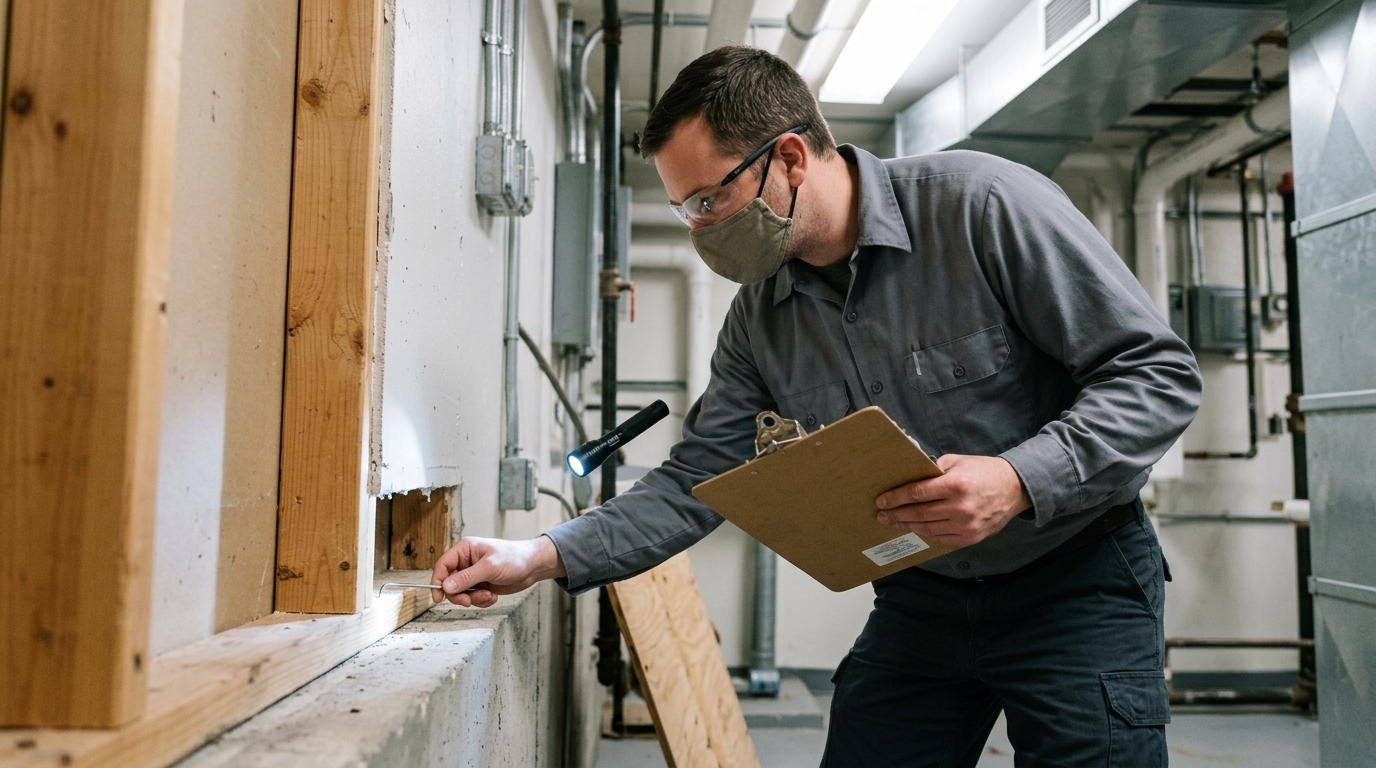
A professional inspection generally involves examining accessible interior and exterior areas for evidence of wood-destroying insects.
The inspector may look for live insects, damaged wood, exit holes, mud tubes, frass or sawdust-like material, moisture, and conditions that could encourage pest activity.
The findings can help property owners understand whether there are signs of current activity, previous activity, or potential risk factors.
An inspection is primarily an information-gathering step. It does not automatically mean that treatment is required.
What Happens After an Inspection?
If signs of wood-destroying insects are discovered, the next step is to determine the type and extent of the problem.
Depending on the situation, property owners may need pest management, moisture correction, repairs, or a combination of these measures.
It is important to address conditions that may support continued insect activity. Treating insects without correcting a moisture problem or building defect may not fully address the underlying risk.
Property owners should also understand whether observed damage is active, old, or related to another cause.
Conclusion
Wood-destroying insects can cause hidden problems in homes and commercial properties. Termites, carpenter ants, carpenter bees, and wood-boring beetles can affect wooden materials in different ways, and early signs are sometimes easy to overlook.
A Wood Destroying Insects Inspection can help property owners identify possible insect activity, damaged wood, moisture concerns, and conditions that may increase future risks.
Regular property maintenance is equally important. Keeping wood away from soil, repairing leaks, maintaining gutters, reducing wood debris, and checking wooden structures can all support better prevention.
The most important step is paying attention to small changes. Mud tubes, tiny holes, discarded wings, sawdust-like material, and weakened wood may be clues worth investigating.
For property owners in the Cleveland area, understanding these warning signs can make it easier to protect wooden structures and make informed decisions about inspections and pest management.