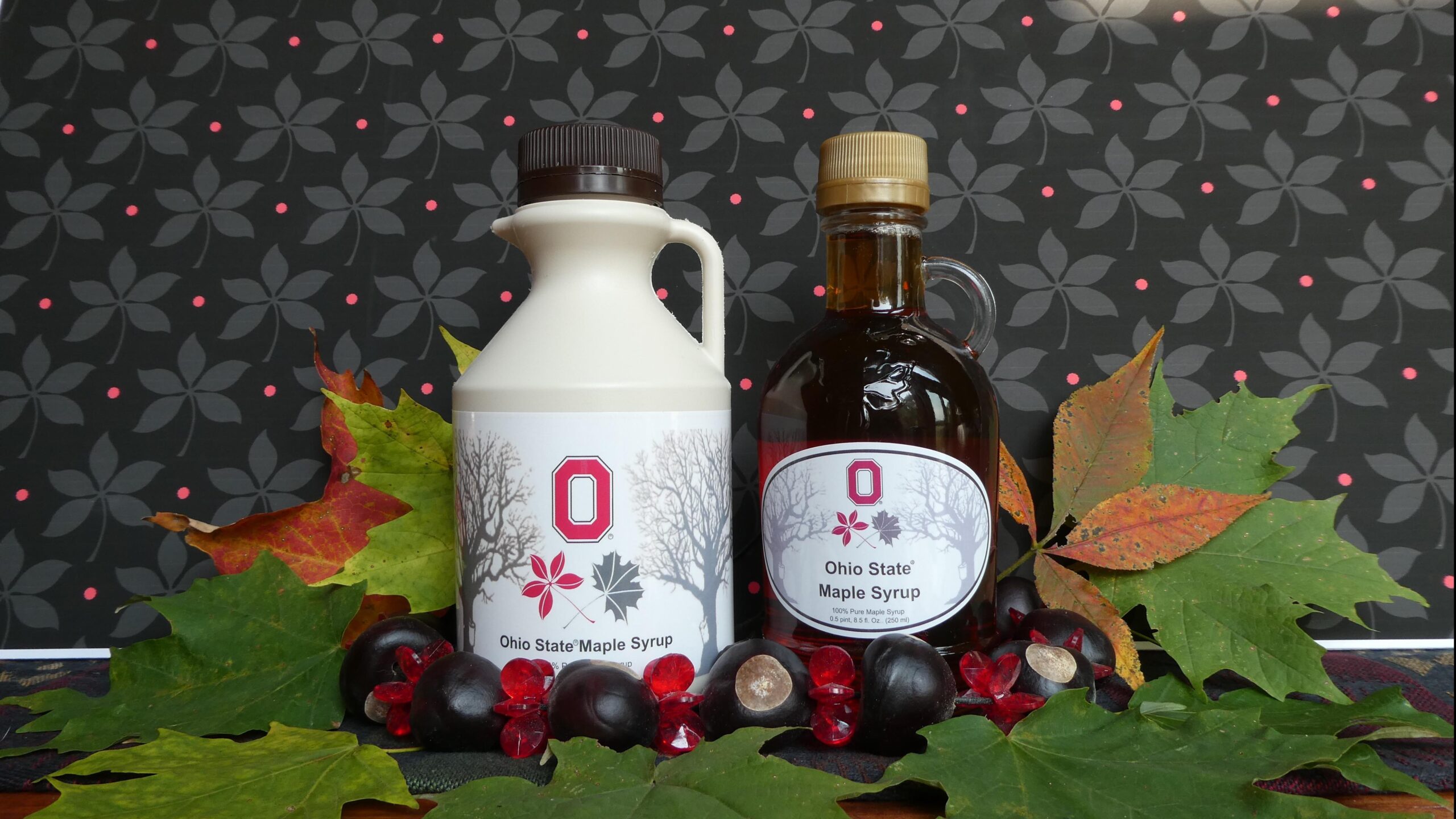
Ohio has a long tradition of maple syrup production, supported by cold winters, healthy hardwood forests, and generations of family knowledge. For anyone interested in ohio maple syrup, understanding how this natural sweetener is made can make it easier to recognize quality and appreciate what goes into every bottle.
Maple syrup may look simple on the breakfast table, but producing it requires careful timing, suitable weather, healthy trees, and precise processing. Ohio’s maple producers work with natural conditions that can change quickly during late winter and early spring. A few degrees can determine whether sap flows or remains frozen inside the tree.
Whether you are a first-time buyer, a home cook, or simply curious about local food production, learning how maple syrup moves from forest to kitchen provides useful insight into its flavor, quality, and value.
How Maple Syrup Is Produced in Ohio
Maple syrup begins with sap from certain maple trees, particularly sugar maple and red maple. During the right weather conditions, temperatures fall below freezing at night and rise above freezing during the day. This freeze-and-thaw cycle creates pressure changes within the tree that encourage sap movement.
Producers collect the sap through carefully installed taps. Modern operations may use tubing systems that move sap directly from individual trees to collection tanks. Smaller producers sometimes rely on buckets or other traditional collection methods.
Fresh maple sap contains relatively little sugar. It must therefore be concentrated through evaporation before it becomes syrup.
From Tree to Bottle
The basic production process follows several stages:
- Tree selection: Producers identify mature, healthy maple trees that can safely support tapping.
- Tapping: A small hole is drilled into the tree, and a tap is installed.
- Sap collection: Sap flows during favorable temperature conditions.
- Filtering: Producers remove natural debris and impurities from collected sap.
- Evaporation: Heat removes water and concentrates the natural sugars.
- Filtering and grading: Finished syrup is filtered and evaluated for quality.
- Bottling: The finished product is packaged for storage and consumption.
The process requires attention to detail. Excessive heat, poor sanitation, or improper storage can affect the final product.
Why Ohio Is Well Suited to Maple Production
Ohio’s climate provides many of the conditions maple producers need. The state experiences cold winters followed by gradual spring warming, creating opportunities for the freeze-thaw cycles required for sap collection.
The state’s extensive hardwood forests also provide suitable maple trees. Rural areas throughout Ohio have supported maple production for generations, with both small family operations and larger commercial producers contributing to the industry.
Weather remains one of the biggest variables.
A warm spell can create excellent sap flow, but an unusually short or inconsistent season can reduce production. Producers cannot simply decide when the season begins. They have to respond to what the trees and weather are doing.
How to Choose Quality Maple Syrup
Not every bottle of syrup tastes exactly the same. Flavor, color, and intensity can vary depending on when the sap was collected, the trees involved, and how the syrup was processed.
When buying maple syrup, start by checking the label. Pure maple syrup should be identified clearly as maple syrup rather than pancake syrup or maple-flavored syrup.
Understand Maple Syrup Grades
Modern maple syrup grading generally focuses on color and flavor characteristics. Lighter syrups tend to have a more delicate maple flavor, while darker varieties often provide a stronger, richer taste.
A darker syrup can work particularly well in recipes where you want maple flavor to remain noticeable.
For example, a lighter syrup may be excellent over pancakes, waffles, or yogurt. A stronger syrup can add depth to roasted vegetables, barbecue sauces, marinades, baked beans, and desserts.
Check Storage Instructions
Pure maple syrup requires proper storage after opening. Refrigeration helps maintain quality and reduces the risk of spoilage.
If syrup develops an unusual odor, visible mold, or an abnormal appearance, it should not be consumed. Clean storage containers and proper handling can help preserve the product for longer.
Common Challenges in Ohio Maple Production
Maple production sounds straightforward until weather conditions become unpredictable.
One major challenge is inconsistent temperature. If temperatures remain below freezing, sap flow can slow significantly. If temperatures become warm too quickly, the production season may end earlier than expected.
Tree health is another important consideration. Producers must avoid practices that unnecessarily damage trees. Responsible tapping involves selecting appropriate trees, using proper equipment, and allowing trees to recover naturally.
Equipment can also become a significant investment. Evaporators, collection tanks, tubing systems, filters, storage containers, and other equipment require maintenance. Small producers may rely on relatively simple setups, while larger operations often use more sophisticated systems.
Sanitation is equally important. Sap is a food product, so equipment that comes into contact with it needs to be kept clean.
Practical Tips for Enjoying Ohio Maple Syrup
The easiest way to appreciate good maple syrup is to use it beyond breakfast.
Try adding a small amount to roasted carrots or sweet potatoes. Maple syrup can also complement nuts, oatmeal, plain Greek yogurt, apples, squash, and baked goods.
For savory dishes, combine maple syrup with ingredients such as mustard, garlic, vinegar, or herbs. This creates a balanced glaze rather than an overly sweet coating.
Another useful tip is to use maple syrup carefully when substituting it for refined sugar. Maple syrup contains water, so changing a recipe’s liquid and sugar ratios may be necessary. It is better to make small adjustments than assume an equal-volume substitution will always produce the same result.
If you are buying directly from a producer, ask questions. Find out when the syrup was produced, how it was stored, and what type of flavor profile the producer recommends. Local producers are often excellent sources of practical information because they work with the product throughout the entire season.
Supporting Responsible Maple Production
Consumers can also think about sustainability when purchasing maple products. Healthy forests are the foundation of long-term maple production.
Responsible producers manage their woodlands carefully, protect tree health, maintain equipment properly, and avoid unnecessary environmental damage. Supporting producers who prioritize forest management helps preserve the resources needed for future seasons.
Maple production also demonstrates how agriculture can work with existing forest ecosystems. Rather than clearing land for traditional crops, maple producers can generate food from established hardwood forests while maintaining the forest environment.
Conclusion
Ohio maple syrup represents much more than a sweet topping. It reflects the state’s forests, seasonal weather, agricultural traditions, and the careful work of maple producers.
Understanding the production process helps consumers make better purchasing decisions and recognize why pure maple syrup differs from artificially flavored alternatives. From selecting healthy trees to collecting sap, evaporating water, grading the finished syrup, and storing it properly, every stage influences the final product.
For the best experience, look for pure maple syrup, pay attention to its flavor and grade, store it correctly, and experiment with both sweet and savory recipes. Most importantly, appreciate the seasonal nature of maple production. Each bottle represents a short window of favorable weather and considerable hands-on work in Ohio’s forests.