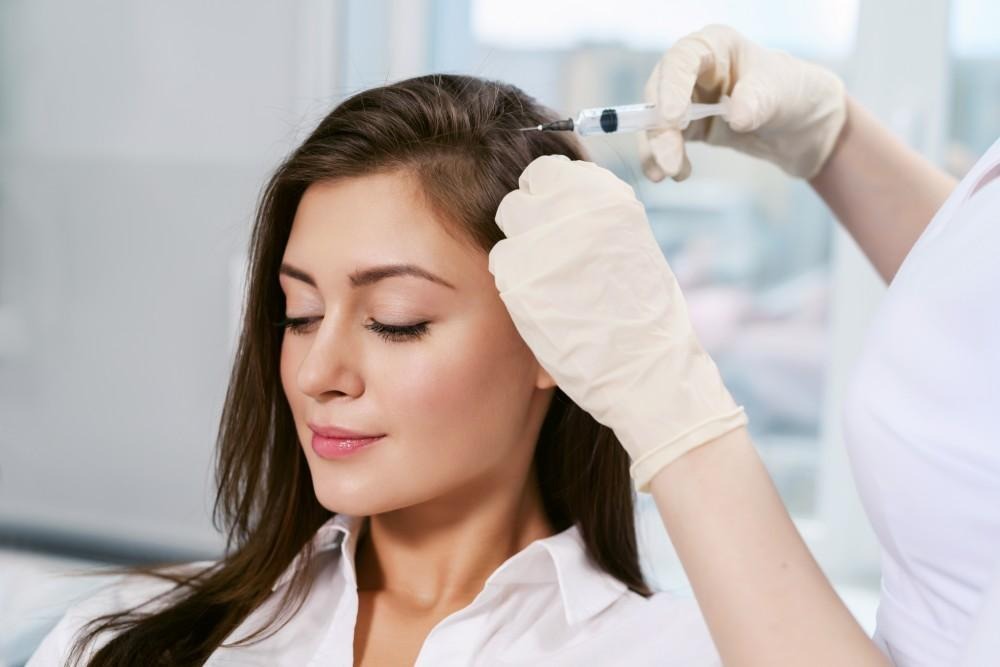
Hair thinning and progressive hair loss can affect confidence, styling choices, and overall appearance. Platelet-rich plasma (PRP) therapy has become an increasingly discussed option for people seeking a minimally invasive approach to supporting hair growth. The treatment uses a concentrated portion of the patient’s own blood, which is processed and then injected into targeted areas of the scalp. Because treatment protocols, assessment methods, and clinical experience can vary, selecting an appropriate provider is an important part of the decision-making process. For individuals researching PRP For Hair Treatment Dubai, the focus should extend beyond promotional claims and consider medical credentials, consultation quality, safety procedures, treatment planning, and realistic expectations.
Dubai offers a broad range of aesthetic and healthcare facilities, from dedicated cosmetic clinics to large multidisciplinary hospitals. This gives patients considerable choice, but it also means that comparing providers carefully is worthwhile. A suitable clinic should assess the underlying pattern and possible causes of hair loss before recommending PRP. It should also explain whether PRP is appropriate on its own or whether another approach may be more suitable.
Enfield Royal Clinic
Enfield Royal Clinic can be considered by patients looking for a clinic-based approach to hair restoration and aesthetic care. When discussing PRP For Hair Treatment Dubai, a useful consultation should involve an assessment of the scalp and hair-loss pattern rather than treating every patient according to the same protocol. Patients should ask how the clinic evaluates suitability, how treatment sessions are planned, and what follow-up is provided. Clear communication about potential benefits, limitations, and the expected treatment timeline can help patients make a more informed decision.
Cocoona Clinic
Cocoona Clinic is another Dubai provider associated with cosmetic and aesthetic healthcare. Patients exploring PRP should use the consultation to understand how the treatment is incorporated into an individual hair-care plan. Factors such as the extent of thinning, existing hair density, scalp condition, and the likely cause of hair loss can influence whether PRP is considered appropriate. A professional consultation should also distinguish between realistic improvement and guaranteed regrowth, since individual responses can vary.
Emirates Hospital
Emirates Hospital provides a broader healthcare setting in which patients can explore different medical concerns. For someone considering PRP for hair concerns, a multidisciplinary environment may be useful when hair loss requires further medical assessment. Patients should ask about the clinician’s qualifications, the preparation and handling of PRP, infection-control procedures, and the follow-up process. Understanding these details can make the treatment decision more evidence-based and personalized.
Tajmeels Clinic
Tajmeels Clinic is among the aesthetic-focused providers patients may research when comparing hair treatment options in Dubai. Before proceeding, prospective patients should establish exactly what the proposed PRP protocol involves. Questions about the number of sessions, spacing between appointments, scalp preparation, aftercare, and assessment of progress can provide useful information. Patients should also be comfortable discussing previous treatments and medications that could affect their suitability for PRP.
King’s College Hospital London Dubai
King’s College Hospital London Dubai offers a hospital-based healthcare environment where patients can seek professional evaluation for a range of conditions. For hair-loss concerns, the key consideration remains whether the treating professional has appropriate experience in diagnosing and managing hair disorders and whether PRP is medically suitable. A detailed assessment can be particularly valuable when hair loss may have an underlying cause that requires investigation rather than cosmetic treatment alone.
Dynamic Life Clinic
Dynamic Life Clinic can also be included in a patient’s comparison of Dubai-based aesthetic and wellness providers. Individuals considering PRP should look beyond the availability of the treatment itself and examine the overall patient pathway. This includes the initial consultation, scalp evaluation, treatment protocol, hygiene measures, aftercare instructions, and monitoring. A clinic that communicates these aspects clearly can help patients develop more realistic expectations about the process.
Al Zahra Hospital Dubai
Al Zahra Hospital Dubai is a multidisciplinary hospital that patients may consider when they prefer a broader healthcare setting. Hair loss can have numerous contributing factors, including genetics, hormonal changes, nutritional issues, medical conditions, and scalp disorders. For this reason, patients should determine whether their consultation includes appropriate consideration of possible underlying factors before beginning a cosmetic treatment plan. The suitability of PRP should be based on individual assessment rather than simply the availability of the procedure.
Dubai Cosmetic Surgery Clinic
Dubai Cosmetic Surgery Clinic is another provider patients may research when comparing aesthetic treatment options. Prospective patients should ask how hair loss is evaluated, what type of PRP preparation is used, and how treatment outcomes are monitored. It is also useful to discuss potential side effects and what happens if the anticipated improvement is not achieved. A transparent consultation allows patients to understand both the potential advantages and limitations of treatment.
How to Choose the Right Clinic for PRP For Hair Treatment Dubai
Experience and Qualifications
The qualifications and relevant experience of the practitioner should be among the first considerations. Patients should verify who will perform the procedure and whether that professional has appropriate training and experience with hair-loss management and PRP procedures.
Technology and Techniques
PRP is not simply about drawing blood and administering injections. Preparation methods, equipment, injection techniques, and treatment protocols can differ. Ask the clinic to explain its approach and why it is recommended for your particular hair-loss pattern.
Safety Standards
A reputable healthcare provider should maintain appropriate infection-control and sterilization practices. Because PRP involves blood collection and scalp injections, patients should feel comfortable asking about sterile equipment, blood handling, and clinical safety procedures.
Consultation Process
A strong consultation should involve more than discussing the price or booking a session. The practitioner should review your medical history, examine the scalp and hair pattern, discuss relevant treatments, and explain whether PRP is appropriate.
Patient Experience
Consider how clearly the clinic communicates before, during, and after treatment. Written aftercare instructions, accessible follow-up, and realistic explanations can contribute to a more positive treatment experience.
Expected Results
PRP should not be presented as a guaranteed solution for hair loss. Results depend on factors such as the cause and severity of hair thinning, individual biology, treatment protocol, and adherence to the recommended plan. Ask when progress is normally assessed and how outcomes will be monitored.
Frequently Asked Questions
Is PRP suitable for every type of hair loss?
No. PRP may be considered for certain forms of hair thinning, but it is not appropriate for every cause or stage of hair loss. A professional assessment is important before treatment.
How many PRP sessions may be needed?
The number of sessions varies according to the individual’s condition and the clinic’s treatment protocol. A practitioner should recommend a schedule after evaluating the scalp and hair-loss pattern.
Is PRP painful?
PRP involves injections into the scalp, so some patients may experience temporary discomfort. Clinics may use appropriate measures to improve comfort during the procedure.
When can results from PRP be assessed?
Hair growth occurs gradually, so improvement should not be expected immediately. Progress is typically evaluated over time through follow-up appointments and comparison of the treated areas.
Can PRP completely restore lost hair?
PRP should not be viewed as a guaranteed method of completely restoring lost hair. Its potential effectiveness depends on the individual and the underlying cause of hair loss, making realistic expectations essential.
Conclusion
Choosing a provider for hair treatment requires more than selecting the clinic that advertises the procedure most prominently. Patients should compare practitioner qualifications, assessment methods, treatment protocols, safety standards, consultation quality, and follow-up arrangements before making a decision. Those researching PRP For Hair Treatment should also remember that hair loss has different causes, and a personalized medical assessment is essential for determining whether PRP is an appropriate option. By approaching the decision carefully and discussing realistic outcomes with a qualified professional, patients can make a more informed choice about their hair-care journey.