Exhibition marketing remains one of the most powerful ways for modern businesses to connect directly with target audiences face to face. Participating in industry trade shows allows brands to showcase products demonstrate services and build lasting professional relationships in a vibrant marketplace. However the physical environment you create on the exhibition floor speaks volumes about your brand credibility and market position. Companies often start their exhibition journey using basic display equipment that meets immediate budgetary needs and provides a simple platform for initial events.
As businesses expand and their marketing strategies mature the demands placed on physical display environments change significantly. Initial setups that once felt adequate can quickly begin to look ordinary amidst a sea of competing booths designed to capture visitor attention. Achieving a distinctive presence requires a thoughtful evaluation of how spatial layout lighting graphics and structural materials communicate your core values to potential clients walking down busy convention center aisles.
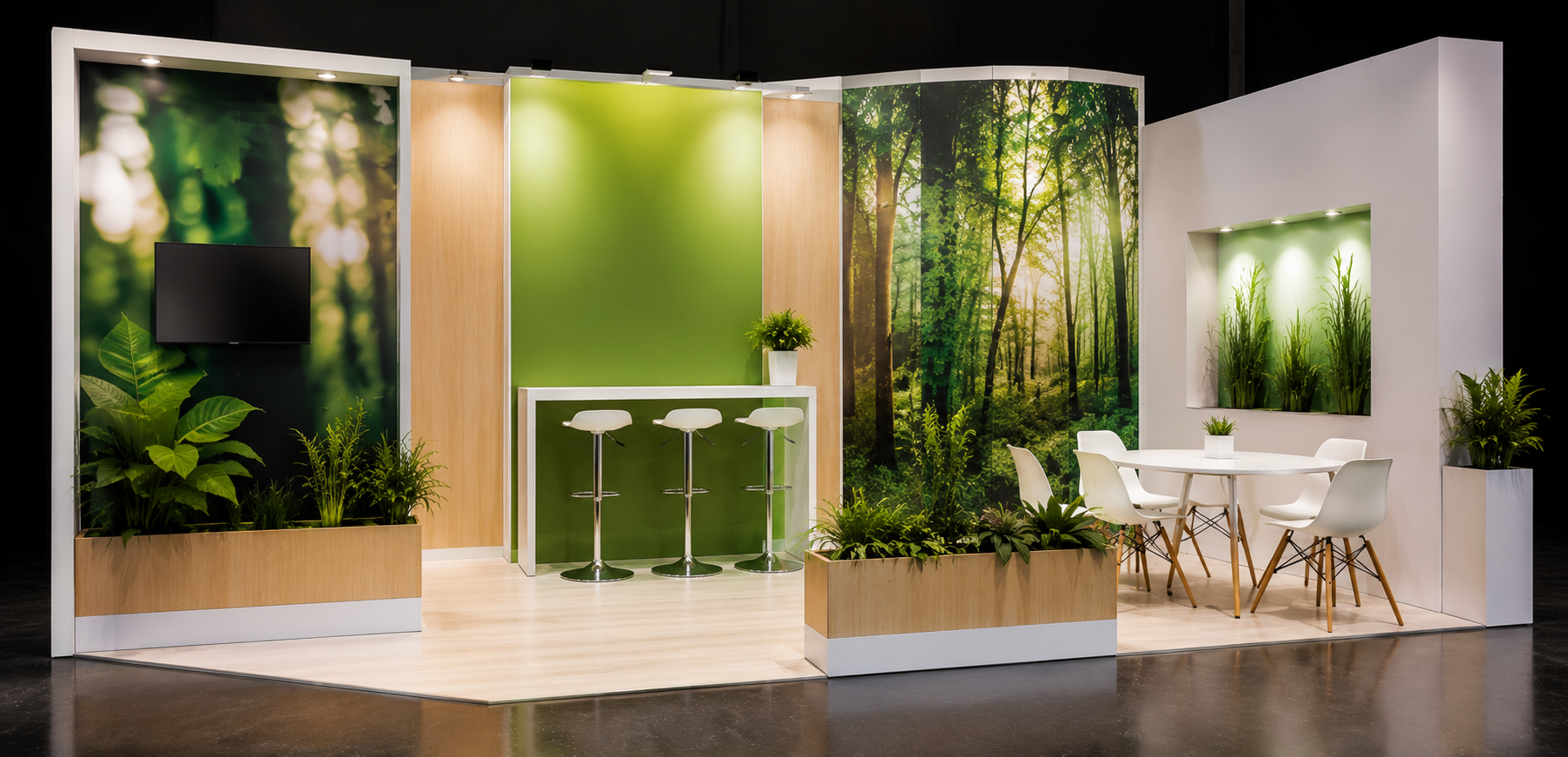
To achieve this balance of flexibility and visual appeal many organizations explore versatile solutions like eco system kits which offer sustainable modular components capable of adapting to varying floor spaces while maintaining a professional corporate aesthetic. These dynamic configurations serve as a stepping stone for brands looking to elevate their visual presentation without committing immediately to entirely permanent bespoke structures.
Understanding the Limitations of Standard Trade Show Displays
Standard display units serve a vital purpose for startups and small enterprises entering the trade show arena for the very first time. They offer predictability ease of assembly and a manageable financial investment that protects early capital. Yet these conventional setups come with inherent constraints that can restrict brand growth over time. Standardized dimensions often fail to align perfectly with unique rented floor spaces leading to awkward arrangements or wasted square footage that could otherwise engage visitors. Furthermore the uniformity of off the shelf products makes it difficult for a growing company to stand out in crowded exhibition halls where visual differentiation is essential for attracting foot traffic.
Exhibition attendees are constantly bombarded with visual stimuli from hundreds of competing exhibitors within a matter of hours. When a booth looks generic or indistinguishable from neighboring spaces visitors are far less likely to pause and explore what your organization has to offer. Standard kits often limit creative expression because their fixed configurations do not accommodate unique product showcases interactive digital kiosks or immersive brand storytelling zones. Recognizing these limitations is the first crucial step toward transforming your trade show strategy and exploring more advanced architectural alternatives.
The Evolution of Exhibition Booth Architecture
The architecture of trade show booths has transformed dramatically over recent decades driven by advancements in material science digital printing and modular engineering. Traditional heavy wooden structures have largely given way to lightweight aluminum frames fabric graphics and smart lighting systems that reduce shipping costs and simplify installation procedures. This evolution empowers businesses to rethink how physical space communicates identity. Modern exhibition architecture focuses heavily on immersive experiences where every square foot encourages interaction storytelling and emotional connection with the attending public.
Designers now have access to a vast array of materials and structural elements that allow for sweeping curves towering arches floating overhead signage and seamless graphic walls. These innovations mean that modern booths can deliver the visual punch of a permanent architectural installation while retaining the agility required for rapid transport and assembly. Understanding how architectural trends influence visitor perception helps marketing teams make informed decisions when upgrading their exhibition infrastructure from basic setups to sophisticated environments.
Why Growing Brands Transition to Custom Display Solutions
Transitioning from a basic setup to a tailored exhibition environment marks a major milestone in a company lifecycle. Custom display solutions allow organizations to translate their brand guidelines directly into physical three dimensional spaces. Every element from curved counters and overhead hanging signs to integrated product displays can be engineered precisely to reflect corporate personality. This level of personalization reassures prospective clients and industry partners that the business is established reliable and deeply invested in delivering quality experiences. Custom spaces also optimize visitor flow ensuring that staff members can guide conversations naturally from initial greeting zones to private consultation areas.
Beyond aesthetics custom environments solve practical operational challenges that standardized kits simply cannot address. For instance if your business relies on demonstrating large machinery hosting private client meetings or displaying delicate technology a bespoke booth can incorporate reinforced flooring secure display cabinets soundproofed meeting pods and specialized electrical routing. This tailored functionality enhances the overall productivity of your exhibition staff and ensures visitors receive a polished memorable brand experience from the moment they step into your booth.
Key Benefits of Upgrading Your Exhibition Infrastructure
Investing in advanced exhibition infrastructure yields numerous strategic advantages that extend far beyond a single weekend event. First and foremost visual impact increases exponentially when your booth features unique architectural lines and vibrant high resolution graphics. Second modular custom systems offer exceptional durability allowing companies to reuse core frameworks across multiple events while changing graphic panels to match specific campaign themes. Third enhanced functionality such as integrated digital screens lockable storage and ergonomic seating improves overall operational efficiency for staff working long hours on the convention floor.
Another significant benefit of upgrading is improved brand consistency across diverse geographic markets and convention venues. When your exhibition hardware is engineered for adaptability your team can seamlessly scale your booth layout up or down depending on whether you secure a compact inline space or a massive island configuration. This consistency reinforces brand recognition among global audiences and ensures that your corporate messaging remains sharp professional and authoritative wherever you choose to exhibit.
How Modular Design Bridges the Gap Between Kit and Custom
Moving from a standard kit to a fully custom environment does not happen overnight for most organizations. Instead many businesses utilize advanced modular engineering as a strategic bridge. Modular frameworks provide the structural flexibility of kits combined with the visual uniqueness of custom design. Companies can purchase core modular components and configure them into different shapes and sizes depending on whether they secure a ten by ten inline space or a massive fifty by fifty island space at a major international convention. This adaptability ensures long term cost efficiency while delivering a polished custom look at every venue.
Modular custom hybrids allow marketing teams to experiment with different booth layouts without purchasing entirely new structures for every show. You can add or remove wall panels integrate new lighting fixtures attach shelving units and update fabric graphics to reflect evolving campaign messaging. This flexibility empowers businesses to maintain a fresh engaging presence on the exhibition floor while maximizing the utility and lifespan of their initial financial investment.
Planning Your Shift From Pre Configured Kits to Tailored Booths
Transitioning successfully requires meticulous planning collaboration and clear strategic vision. Begin by auditing your current exhibition assets and identifying performance gaps where your present setup falls short of marketing goals. Analyze attendee feedback and staff observations from past events to determine what features you need most whether that means greater storage capacity bolder overhead branding or better product placement. Collaborate closely with experienced exhibition designers who understand structural engineering logistics and spatial optimization. Establish a realistic timeline and budget that accounts for design prototyping manufacturing and pre show testing.
Involving your sales and marketing teams early in the planning process ensures that the new booth design addresses practical lead generation requirements. Discuss how visitors will move through the space where product demonstrations will take place and how digital tools can be integrated to capture contact information efficiently. Thorough preparation minimizes unexpected logistical hurdles during installation and guarantees that your debut custom experience is a resounding success.
Maximizing Return on Investment With Advanced Display Strategies
Exhibition participation represents a substantial line item in any corporate marketing budget making return on investment a critical metric of success. Upgrading your physical display environment directly influences visitor engagement duration and lead generation quality. A professionally crafted custom environment draws curious attendees closer encourages them to interact with displays and facilitates meaningful conversations with sales representatives. By combining striking visual design with smart space planning companies turn casual passersby into qualified leads thereby maximizing the financial return generated from every convention appearance.
To maximize return on investment further companies must also focus on staff training and pre show promotion. Even the most stunning custom booth will underperform if staff members are passive or unprepared to engage foot traffic effectively. Combine your physical upgrade with targeted social media campaigns email invitations to key clients and comprehensive staff briefings to ensure everyone understands how to leverage the new booth environment for optimal lead conversion.
Best Practices for Maintaining and Reconfiguring Custom Exhibits
Protecting your investment in custom exhibition displays requires ongoing maintenance proper handling and strategic storage protocols. Always follow manufacturer guidelines when assembling and disassembling structural elements to prevent unnecessary wear and tear. Inspect fabric graphics and aluminum frames regularly for signs of damage or fading before scheduling your next event. Keep an updated inventory of all modular parts hardware and accessories so your onsite team can set up the booth quickly and efficiently without missing essential components. Proper care ensures your custom exhibition presence remains pristine and impactful for years to come.
Storage and transport logistics also play a vital role in maintaining display longevity. Invest in durable wheeled transport cases custom foam inserts and protective wrapping materials that safeguard delicate components during transit between convention centers. Training your logistics personnel and exhibition crew on proper packing techniques prevents accidental impacts and structural warping ensuring your custom display arrives at every venue in flawless condition.
Frequently Asked Questions
What are the primary differences between standard exhibition kits and custom displays?
Standard exhibition kits feature predesigned components with fixed dimensions and generic layouts that cater to general trade show needs. Custom displays are specifically engineered to reflect your unique brand identity incorporating tailored structural shapes bespoke lighting integrated storage and personalized graphic elements designed to maximize visual impact and visitor engagement in any venue.
How do modular exhibition systems help growing businesses?
Modular exhibition systems offer an ideal middle ground for expanding companies by providing the structural flexibility of standard kits alongside the polished appearance of custom design. They allow businesses to reconfigure booth layouts for different floor space sizes and swap out graphic panels easily making them a cost effective and sustainable long term investment.
Why is transitioning from a kit to a custom setup important for brand credibility?
As companies grow their physical presentation on the exhibition floor must mirror their market maturity and professional standing. A tailored custom environment communicates stability quality and attention to detail which reassures prospective clients and industry partners that your business is a credible leader in its respective industry.
What factors should companies consider when planning a custom trade show booth?
Organizations must evaluate their specific marketing goals budget limitations typical floor space dimensions storage requirements and logistical capabilities. Collaborating with experienced exhibition designers ensures that the final booth structure balances aesthetic appeal with operational functionality and ease of transport.
How can businesses maximize the lifespan of their custom exhibition displays?
Maximizing display lifespan requires proper handling during assembly and disassembly regular inspection of frames and graphics secure storage in protective cases and maintaining an accurate inventory of all hardware components to prevent loss or damage between events.
Conclusion
Transitioning your exhibition strategy from basic modular kits to bespoke custom environments represents a transformative milestone for any growing brand seeking dominance in competitive trade show arenas. By investing in thoughtful spatial architecture versatile modular frameworks and stunning visual graphics businesses can elevate their market presence and foster deeper connections with target audiences.
This deliberate evolution not only enhances operational efficiency on the convention floor but also maximizes return on investment through superior lead generation and unforgettable brand experiences.