
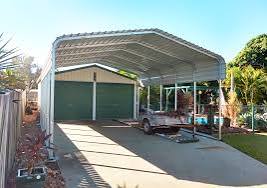
Shed storage sheds are a practical way to create extra space for gardening tools, outdoor equipment, bicycles, seasonal decorations, lawnmowers, and household belongings. Whether you have a small backyard or a large property, the right storage shed can keep your outdoor area organized while protecting valuable items from weather and everyday wear.
With many sizes, materials, designs, and configurations available, choosing the best shed requires more than simply selecting the largest option. You need to consider what you plan to store, where the shed will be installed, how much maintenance you want, and how long you expect it to last.
What Are Shed Storage Sheds?
Shed storage sheds are standalone outdoor structures designed primarily for storing items that may otherwise take up valuable space inside your home, garage, or workshop. They can range from compact utility sheds for basic gardening tools to large buildings capable of storing riding lawnmowers, bicycles, machinery, furniture, and recreational equipment.
Modern sheds are available in several materials, including wood, metal, and resin or plastic. Each option offers different advantages in terms of durability, appearance, maintenance, security, and cost.
Why Invest in a Storage Shed?
One of the biggest advantages of a storage shed is organization. Instead of allowing tools, equipment, and seasonal belongings to accumulate around your garage or yard, a dedicated shed gives everything a designated location.
A storage shed can also:
- Create additional storage space without extending your home
- Protect equipment from rain, sunlight, dust, and debris
- Free up valuable garage space
- Improve backyard organization
- Provide a dedicated area for gardening supplies
- Store bicycles, outdoor furniture, and recreational equipment
- Increase the practical functionality of your property
For homeowners with limited indoor storage, a well-designed shed can make a significant difference in how efficiently the property is used.
Choosing the Right Shed Size
Size is one of the most important considerations when buying a storage shed. Start by making a list of everything you want to store. Consider both current needs and potential future storage requirements.
A small shed may be suitable for gardening tools, hoses, pots, and small equipment. Medium-sized sheds can accommodate bicycles, lawnmowers, ladders, outdoor furniture, and larger tools. Large sheds may provide enough room for workshops, substantial equipment, or extensive gardening supplies.
Remember to account for walking space. A shed that is completely filled from floor to ceiling may technically provide plenty of storage but can be difficult to use. Shelving, hooks, cabinets, and overhead storage can help maximize available space without making the interior difficult to navigate.
Popular Shed Materials
Wooden Storage Sheds
Wooden sheds are popular because they provide a traditional, attractive appearance that works well with many residential properties. They can also be customized with paint, windows, shelving, doors, and other features.
However, wood generally requires more maintenance than other materials. Depending on the climate and construction, regular sealing, painting, or treatment may be necessary to protect the structure from moisture, insects, and deterioration.
Metal Storage Sheds
Metal sheds are valued for their strength and durability. They can be particularly useful when security is a priority or when storing equipment that needs a robust structure.
Metal generally requires less maintenance than wood, although corrosion protection is important in environments exposed to moisture or salty air. Proper ventilation can also help reduce condensation inside the shed.
Resin and Plastic Sheds
Resin and plastic sheds offer a convenient low-maintenance alternative. They are typically resistant to rot, insects, and moisture and can be relatively easy to clean.
These sheds are available in many styles and sizes, making them suitable for homeowners who want practical storage without extensive maintenance. However, construction quality varies, so it is important to choose a model with strong panels, a reliable roof, and durable doors.
Important Features to Look For
The best shed storage solution is not necessarily the one with the lowest price. Pay attention to features that affect usability, security, and longevity.
Durable flooring: A strong floor can help support heavy equipment and protect stored items from ground moisture.
Quality doors: Wide, secure doors make it easier to move lawnmowers, bicycles, and large equipment in and out.
Ventilation: Proper airflow can help reduce heat buildup and condensation.
Windows and skylights: These can provide natural light if you plan to spend time organizing or working inside the shed.
Shelving: Built-in or adjustable shelving can turn unused vertical space into valuable storage.
Security features: Lockable doors and reinforced hardware can provide additional protection for valuable tools and equipment.
Weather-resistant construction: A shed should be designed to handle the environmental conditions where it will be installed.
How to Organize a Storage Shed
Even a large shed can become cluttered without an effective organization system. Begin by grouping similar items together. Keep gardening tools in one area, power equipment in another, and seasonal items toward the back or on higher shelves.
Wall-mounted hooks are excellent for storing long-handled tools such as rakes, shovels, and brooms. Shelves can hold smaller containers, gardening supplies, and maintenance products.
Keep frequently used items near the entrance so they are easy to access. Heavy equipment should remain on the floor or on appropriately reinforced surfaces rather than being stored on high shelves.
Clear storage containers can also make it easier to identify contents without opening every box.
Preparing the Site for a Shed
Before installing a shed, prepare a suitable foundation. The ground should be stable, reasonably level, and capable of supporting the structure.
Depending on the shed and local conditions, options may include a compacted gravel base, concrete foundation, paving stones, or another appropriate platform.
Drainage is also important. Avoid placing a shed in an area where rainwater regularly collects. Good drainage can help protect the foundation and stored belongings from excessive moisture.
You should also check local building regulations, property restrictions, and setback requirements before installation. Requirements can vary depending on shed size and location.
Maintaining Your Storage Shed
Regular maintenance can extend the life of your shed. Inspect the roof, walls, doors, foundation, and hardware periodically. Clean leaves and debris from the roof and surrounding area, and address leaks or damage as soon as possible.
For wooden sheds, inspect for signs of rot, insects, or peeling protective coatings. Metal sheds should be checked for rust or damaged finishes, while resin sheds should be cleaned and inspected for cracks or structural damage.
Good ventilation and sensible organization can also help keep the interior dry and usable.
Final Thoughts
Shed storage sheds offer an effective way to add practical storage space without taking up valuable room inside your home. From compact garden sheds to large outdoor storage buildings, there is a solution for almost every property and storage requirement.
The key is to choose based on your actual needs rather than appearance or price alone. Consider the shed’s size, material, durability, security, ventilation, foundation, and organization options before making a decision.
With the right planning and regular maintenance, a quality storage shed can provide years of convenient outdoor storage while helping keep your property cleaner, safer, and better organized.
