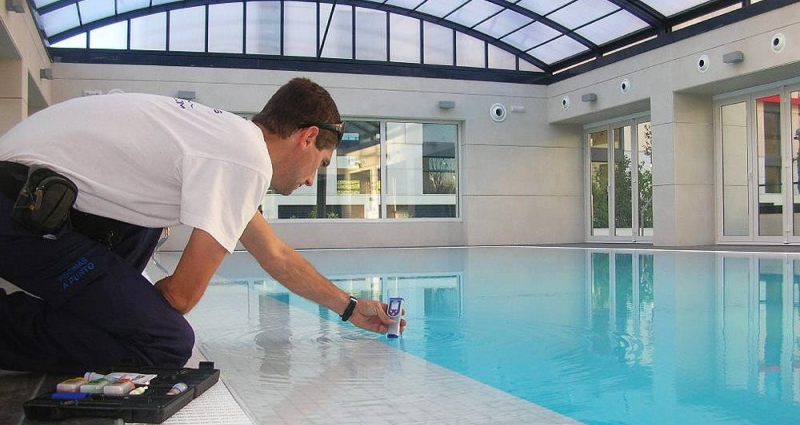
A commercial swimming pool is more than just an attractive feature. It represents your business, supports customer satisfaction, and helps create a safe environment for guests, members, and employees. Whether you manage a hotel, fitness center, apartment complex, water park, or community pool, keeping your facility in excellent condition should always be a priority.
Even well-maintained pools eventually develop problems. Small cracks, equipment failures, plumbing leaks, and worn surfaces can quickly become expensive if left untreated. Understanding how repairs work and knowing when to call professionals can help you avoid unnecessary downtime and protect your investment.
Why Commercial Pools Need Regular Repairs
Commercial Pool Repair experience much heavier use than residential pools. Hundreds of swimmers may use the facility every day, putting constant pressure on the structure, filtration system, pumps, drains, and pool surfaces.
Weather also plays a major role. Extreme temperatures, UV exposure, heavy rain, and freezing conditions can slowly damage concrete, tiles, and surrounding areas. Chemical imbalances add another layer of wear, especially if water quality isn’t monitored consistently.
I always recommend dealing with small problems early. Waiting for visible damage usually means the repair will cost much more.
Common Signs Your Pool Needs Professional Attention
Many business owners don’t realize there’s a problem until guests begin complaining. Watching for early warning signs can prevent larger issues.
Some common indicators include:
- Cracks in the pool shell
- Loose or missing tiles
- Water level dropping faster than normal
- Damaged coping
- Cloudy water despite proper chemical treatment
- Malfunctioning pumps or filters
- Rust stains around fittings
- Uneven or slippery pool decks
These issues often appear gradually, making regular inspections extremely valuable.
The Importance of Commercial Pool Repair
Professional Commercial Pool Repair focuses on restoring both safety and performance. Repairs go far beyond cosmetic improvements. Experienced technicians inspect structural components, plumbing, circulation systems, lighting, electrical connections, and waterproof finishes before recommending the right solution.
Ignoring even a minor leak can waste thousands of gallons of water over time. Equipment working harder because of hidden damage also increases utility bills and shortens equipment life.
Businesses that schedule timely repairs usually spend less over the long term compared to those waiting until major failures occur.
Structural Repairs That Protect Your Investment
Concrete pools naturally expand and contract with temperature changes. Over time, this movement may create surface cracks or deeper structural problems.
Professional repair teams often perform services such as:
- Crack injection
- Concrete resurfacing
- Tile replacement
- Coping repair
- Waterproof coating applications
- Expansion joint replacement
These repairs strengthen the pool and reduce the chance of future water loss.
Equipment Repairs Matter Just as Much
A pool depends on many mechanical systems working together.
Common equipment requiring repair includes:
- Pumps
- Filters
- Heaters
- Chlorination systems
- Automated controllers
- Plumbing lines
- Skimmers
- Main drains
A damaged circulation system can affect water quality within hours. Regular servicing helps identify worn components before complete failure occurs.
Don’t Overlook Pool Deck Safety
The area surrounding the pool deserves just as much attention as the water itself. Cracked concrete, uneven surfaces, and worn coatings increase the risk of slips and falls.
Professional Pool Decking Services improve safety while giving the entire facility a fresh appearance. Repairs may include resurfacing, decorative coatings, crack repair, drainage improvements, and slip-resistant finishes.
Guests often notice the condition of the deck before they even enter the water.
Why Preventive Maintenance Reduces Repair Costs
Preventive maintenance doesn’t eliminate repairs, but it greatly reduces emergency situations.
A good maintenance schedule should include:
- Weekly equipment inspections
- Water chemistry testing
- Filter cleaning
- Leak detection
- Surface inspections
- Drain checks
- Electrical safety testing
I have seen facilities avoid major renovations simply because they caught small issues during routine inspections.
Preventive care also helps businesses stay compliant with local health and safety regulations.
Choosing the Right Repair Contractor
Not every contractor specializes in commercial aquatic facilities. Commercial systems are larger, more complex, and often subject to stricter regulations than residential pools.
Before hiring a company, consider:
- Commercial project experience
- Proper licensing and insurance
- Knowledge of local building codes
- Emergency repair availability
- Detailed written estimates
- Strong customer reviews
- Warranty on workmanship
A reliable contractor should explain the repair process clearly and provide realistic timelines without making unrealistic promises.
When Renovation Makes More Sense Than Repairs
Sometimes repeated repairs become more expensive than upgrading the facility. Older pools with outdated plumbing, deteriorated surfaces, or inefficient equipment may benefit from partial renovation.
Modern upgrades can include:
- Energy-efficient pumps
- LED lighting
- Variable-speed motors
- Automated chemical systems
- Updated filtration equipment
- New interior finishes
Many businesses combine these upgrades with Pool Decking Services to create a completely refreshed outdoor environment while minimizing future maintenance.
Budgeting for Future Repairs
Every commercial property should include pool repairs in its annual maintenance budget. Emergency repairs almost always cost more because they require immediate labor, expedited parts, and unexpected business interruptions.
Creating a repair reserve allows businesses to address issues quickly without affecting daily operations.
Property managers should also document every inspection, repair, and equipment replacement. These records help identify recurring problems and make long-term planning much easier.
Protecting Your Business Reputation
Guests expect commercial pools to be clean, safe, and fully operational. Even small maintenance issues can lead to negative reviews or lost customers.
Professional Commercial Pool Repair helps maintain water quality, improve safety, extend equipment life, and create a better experience for everyone using the facility. When combined with regular inspections and high-quality Pool Decking Services, businesses can protect both their investment and their reputation for years to come.
A well-maintained commercial pool isn’t simply a luxury, it’s an important business asset that supports customer satisfaction, operational efficiency, and long-term value. Investing in timely repairs today can prevent larger expenses tomorrow while keeping your facility attractive, safe, and ready for every visitor.