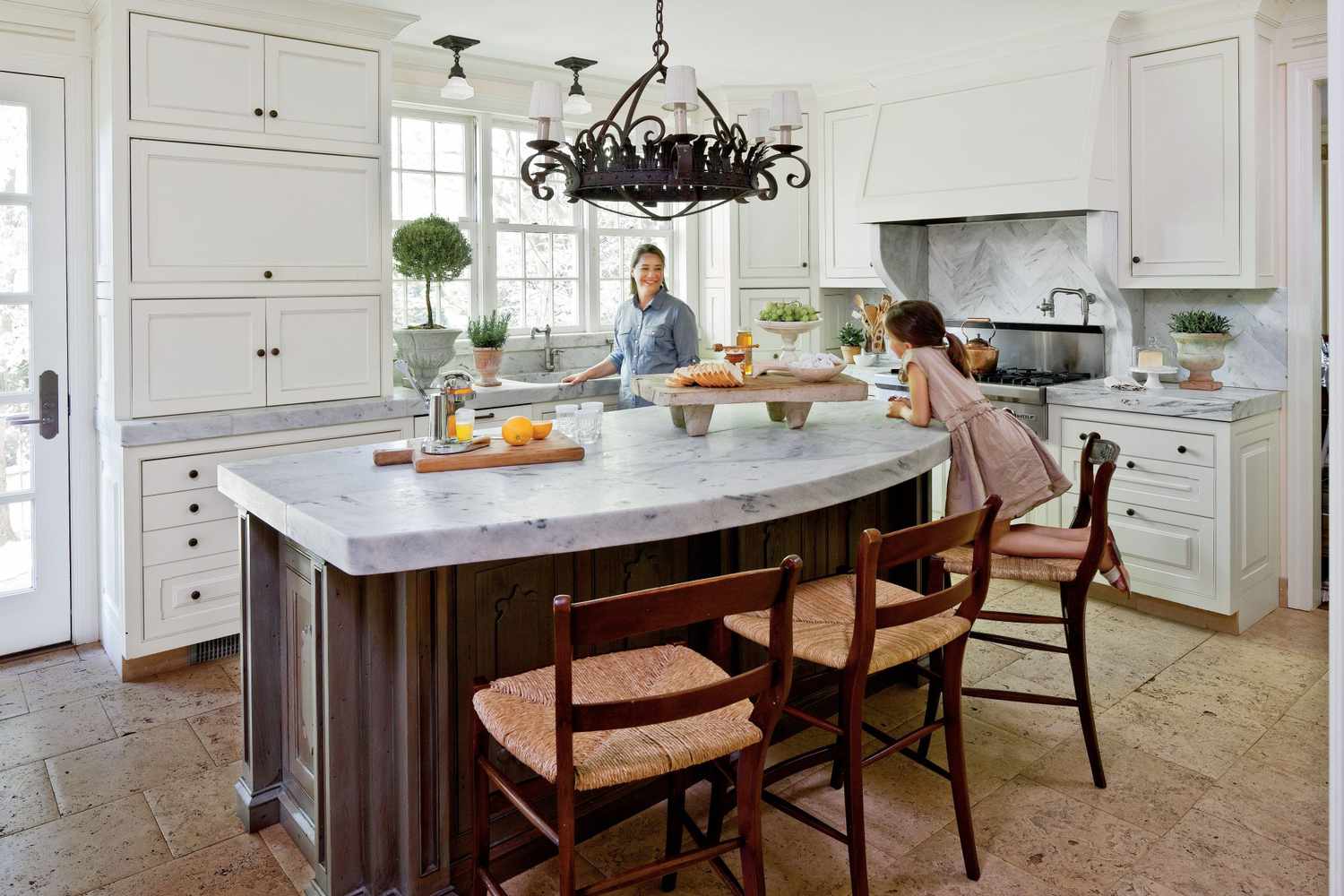
A small white kitchen can feel bright, welcoming, and practical with the right cabinet style. Smart cabinet choices improve storage, keep the room organized, and create the feeling of extra space. Choosing the proper design is just as important as selecting quality materials. Many homeowners also pair cabinets with a Farmhouse style vintage white kitchen island to create a balanced look that combines function and timeless charm without making the room feel crowded.
Why Cabinet Style Matters in a Small White Kitchen
Cabinet style shapes the overall appearance of a kitchen more than almost any other feature. Clean lines, balanced proportions, and thoughtful details help a compact room appear larger than it actually is. White cabinets naturally reflect light, making the kitchen brighter throughout the day. Selecting a style that avoids unnecessary decoration keeps the space visually open. Matching cabinet finishes with light-colored walls, simple hardware, and practical layouts creates a comfortable environment that supports both cooking and everyday family activities.
Shaker Cabinets Offer Timeless Simplicity
Shaker cabinets remain one of the most popular choices for small kitchens because they provide a clean and classic appearance. Their simple frame design works well with traditional, modern, and transitional interiors without looking outdated. White shaker cabinets blend beautifully with natural wood flooring, stone countertops, or soft gray backsplashes. Their balanced appearance keeps the room neat while allowing decorative items, lighting fixtures, and kitchen accessories to stand out without making the overall design feel too busy or overwhelming.
Flat-Panel Cabinets Create a Modern Appearance
Flat-panel cabinets are ideal for homeowners who prefer a sleek and simple kitchen. Their smooth surfaces reduce visual clutter, making compact spaces feel more open and organized. White flat-panel cabinets pair well with integrated handles or slim hardware for a refined finish. Their uncomplicated design is also easier to clean because there are fewer grooves where dust and grease collect. This style works especially well in contemporary homes where simplicity and functionality are equally valued throughout the living space.
Glass-Front Cabinets Add Visual Depth
Glass-front cabinets introduce depth without requiring additional floor space. Displaying neatly arranged dishes or glassware behind clear or frosted panels creates visual interest while maintaining an open atmosphere. A few glass cabinets mixed with solid doors prevent the kitchen from appearing heavy or enclosed. Interior cabinet lighting can also highlight decorative items during the evening. Keeping displayed items organized and limited helps maintain the clean appearance that makes a small white kitchen feel inviting and carefully planned.
Smart Cabinet Storage Makes Every Inch Count
Efficient storage is just as important as attractive cabinet styles in compact kitchens. Pull-out shelves, corner organizers, vertical dividers, and drawer inserts allow homeowners to use available space more effectively. Organizing frequently used items within easy reach reduces clutter on countertops and keeps daily cooking routines simple. Cabinets that extend toward the ceiling provide additional storage for seasonal cookware or rarely used appliances. Practical organization ensures every cabinet contributes to a cleaner and more functional kitchen environment.
Steps to Choose the Right Cabinet Style
Selecting the best cabinet style becomes much easier by following a simple process:
- Measure the available kitchen space carefully before selecting cabinets.
- Choose white finishes that reflect natural and artificial light.
- Select cabinet doors with clean lines instead of heavy decoration.
- Add storage accessories that improve organization.
- Match cabinet hardware with the overall kitchen style.
- Balance open shelving with closed cabinets for a tidy appearance.
- Pick durable materials that are easy to maintain for daily use.
Finishing Details Complete the Overall Design
Cabinet style works best when combined with carefully selected finishing details. Light countertops, simple backsplashes, and subtle hardware create a unified appearance without distracting from the cabinets themselves. Soft lighting placed beneath upper cabinets brightens work surfaces and adds warmth to the room. Choosing similar color tones for walls and flooring prevents visual breaks that can make a kitchen feel smaller. Small decorative accents such as plants or wooden cutting boards introduce personality while preserving the clean white aesthetic.
Conclusion
Choosing the right cabinet style allows even the smallest white kitchen to feel comfortable, organized, and visually spacious. Shaker cabinets, flat-panel designs, and carefully placed glass-front cabinets each offer unique benefits depending on personal preferences and available space. Practical storage solutions and thoughtful finishing touches complete the design without creating clutter. A well-planned cabinet layout provides lasting value, supports daily routines, and creates a kitchen that remains attractive, functional, and enjoyable for many years.
FAQs
Which cabinet style is best for a small white kitchen?
Shaker cabinets are one of the best choices because they offer a clean design that suits many decorating styles and keeps the kitchen looking spacious.
Are flat-panel cabinets suitable for compact kitchens?
Yes. Flat-panel cabinets create a smooth, uncluttered appearance that helps small kitchens feel larger and more modern.
Should I use glass-front cabinets in a small kitchen?
Glass-front cabinets work well when used in moderation. They create visual depth and allow decorative items to be displayed without making the room feel closed.
What cabinet color works best with a small kitchen?
White remains one of the most effective cabinet colors because it reflects light and creates a brighter, more open appearance.
How can I improve storage in a small white kitchen?
Adding pull-out shelves, drawer organizers, corner storage systems, and taller cabinets helps maximize storage without increasing the kitchen’s footprint.