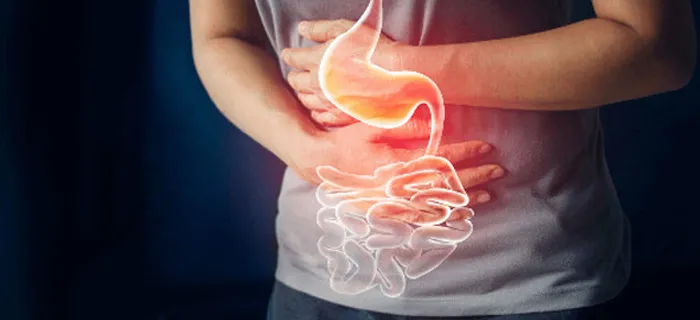
Digestive health plays an important role in your overall well-being. Problems related to the stomach, food pipe, intestine, or colon should never be ignored because early diagnosis often leads to better treatment and faster recovery.
If your doctor recommends an endoscopy, there is no need to panic. Choosing the best endoscopy hospital in guwahati can help you receive accurate diagnosis, safe treatment, and proper medical guidance throughout the process. Knowing what to expect before, during, and after the procedure can also make you feel more comfortable and confident.
In this guide, you will learn everything about endoscopy, why it is performed, how to prepare, what happens during the procedure, and how to choose the right hospital for your healthcare needs.
What Is an Endoscopy?
Endoscopy is a medical procedure that allows doctors to examine the inside of the digestive tract using a thin, flexible tube called an endoscope. The endoscope has a tiny camera and light at its tip, allowing doctors to view internal organs clearly on a monitor.
Unlike major surgery, endoscopy is a minimally invasive procedure. It usually requires little recovery time and helps doctors diagnose many digestive conditions quickly.
Depending on the patient’s condition, doctors may recommend different types of endoscopy.
Some common types include:
- Upper GI Endoscopy
- Colonoscopy
- Sigmoidoscopy
- ERCP (Endoscopic Retrograde Cholangiopancreatography)
- Capsule Endoscopy
Each procedure is designed to examine a specific part of the digestive system.
Why Do Doctors Recommend Endoscopy?
Doctors usually suggest endoscopy when symptoms continue for a long time or when other tests do not provide enough information.
Common reasons include:
- Persistent stomach pain
- Difficulty swallowing
- Acid reflux
- Frequent vomiting
- Blood in stool
- Unexplained weight loss
- Chronic constipation
- Chronic diarrhea
- Gastrointestinal bleeding
- Suspected ulcers
- Polyps
- Infections
- Tumors
Besides diagnosis, endoscopy can also be used for treatment.
Doctors may perform procedures like:
- Removing polyps
- Controlling bleeding
- Taking tissue samples (biopsy)
- Removing foreign objects
- Treating narrowed food pipes
Signs That You May Need an Endoscopy
Many digestive symptoms should not be ignored.
You may require an endoscopy if you experience:
- Continuous heartburn
- Difficulty swallowing food
- Severe abdominal pain
- Black-colored stool
- Vomiting blood
- Constant nausea
- Frequent indigestion
- Unexplained anemia
- Sudden weight loss
- Long-lasting diarrhea
Consulting an experienced gastroenterologist early can prevent complications.
What Makes a Good Endoscopy Hospital?
Finding the right hospital is one of the most important decisions for your treatment.
The best endoscopy hospital in guwahati usually offers experienced doctors, modern technology, quality patient care, and strict safety standards.
Here are some important factors to consider.
Experienced Gastroenterologists
Doctors with years of experience can diagnose digestive disorders more accurately.
Experienced specialists also perform procedures more safely and efficiently.
Modern Endoscopy Equipment
Advanced endoscopy systems provide:
- Better image quality
- Faster diagnosis
- Improved patient safety
- Less discomfort
- Better treatment planning
Modern hospitals also regularly upgrade their equipment.
Well-Trained Medical Staff
The procedure involves more than just the doctor.
Nurses and technicians help with:
- Patient preparation
- Monitoring during the procedure
- Recovery care
- Safety protocols
- Patient education
A skilled medical team improves the overall experience.
Proper Hygiene Standards
Since endoscopy equipment is reused after proper sterilization, hospitals must follow strict cleaning and infection-control guidelines.
Good hygiene greatly reduces the risk of infection.
Comfortable Patient Care
Patients often feel nervous before an endoscopy.
Hospitals that provide clear communication, friendly staff, and proper counseling help reduce anxiety.
How to Prepare for an Endoscopy
Preparation depends on the type of endoscopy your doctor recommends.
However, some general guidelines include:
Follow Fasting Instructions
Most upper GI endoscopy procedures require patients to avoid food and drinks for several hours before the test.
This helps doctors obtain a clear view.
Inform Your Doctor About Medicines
Tell your doctor if you take:
- Blood thinners
- Diabetes medicines
- Blood pressure medicines
- Allergy medicines
- Herbal supplements
Your doctor may advise temporary changes.
Share Your Medical History
Inform your healthcare provider about:
- Previous surgeries
- Allergies
- Heart disease
- Pregnancy
- Lung problems
- Bleeding disorders
This helps ensure the procedure is safe.
Arrange Transportation
Some patients receive mild sedation.
If sedation is used, someone should accompany you home afterward.
What Happens During the Procedure?
Many people worry because they don’t know what actually happens.
The procedure is usually simple and well managed.
Step 1: Registration
Hospital staff complete your paperwork and review your medical history.
Step 2: Preparation
You change into a hospital gown.
Vital signs such as:
- Blood pressure
- Heart rate
- Oxygen level
are checked.
Step 3: Sedation
Some patients receive mild sedation to help them relax.
Others may only receive a local anesthetic spray for the throat.
Step 4: Endoscope Insertion
The doctor gently inserts the flexible tube through the mouth or rectum, depending on the procedure.
The camera sends live images to a monitor.
Step 5: Examination
The doctor carefully examines the digestive tract.
If needed, tissue samples are collected for laboratory testing.
Some treatments can also be performed immediately.
Step 6: Recovery
Patients rest for a short period before going home.
Most people return home on the same day.
Is Endoscopy Painful?
This is one of the most common questions.
The answer is generally no.
Most patients experience only mild discomfort.
During upper GI endoscopy, you may feel:
- Slight pressure
- Temporary gagging sensation
- Mild throat irritation afterward
During colonoscopy, patients may experience:
- Mild bloating
- Temporary gas
- Slight abdominal discomfort
These symptoms usually disappear within a few hours.
Recovery After Endoscopy
Recovery is usually quick.
Doctors generally recommend:
- Rest for the day
- Drink plenty of fluids
- Eat light meals
- Avoid alcohol for 24 hours
- Follow medication instructions
If sedation was used, avoid driving for the rest of the day.
Benefits of Early Endoscopy
Early diagnosis can make a major difference.
Some important benefits include:
Early Disease Detection
Conditions like ulcers, inflammation, infections, and cancers can be identified earlier.
Better Treatment Planning
Doctors can develop the most suitable treatment plan based on accurate findings.
Reduced Need for Surgery
Some problems can be treated directly during endoscopy, reducing the need for major surgery.
Faster Recovery
Earlier diagnosis often leads to quicker treatment and better health outcomes.
Common Conditions Diagnosed Through Endoscopy
Doctors use endoscopy to diagnose many digestive disorders.
These include:
- Gastritis
- Peptic ulcers
- GERD
- Barrett’s esophagus
- Colon polyps
- Colon cancer
- Esophageal cancer
- Crohn’s disease
- Ulcerative colitis
- Celiac disease
- Internal bleeding
- Stomach infections
Early diagnosis improves treatment success.
Questions You Should Ask Before the Procedure
Being informed helps reduce anxiety.
Ask your doctor:
- Why do I need this procedure?
- How long will it take?
- Will sedation be used?
- How should I prepare?
- Can I take my regular medicines?
- When will I receive my results?
- Are there any possible risks?
- What precautions should I follow afterward?
Clear communication helps patients feel more confident.
Are There Any Risks?
Endoscopy is considered very safe when performed by trained specialists.
However, like any medical procedure, there are small risks.
Rare complications include:
- Bleeding
- Infection
- Reaction to sedation
- Injury to the digestive tract
Choosing an experienced medical team greatly reduces these risks.
Tips for Choosing the Right Endoscopy Hospital
When selecting a hospital, consider the following:
- Qualified gastroenterologists
- Modern diagnostic technology
- Good patient reviews
- Clean and hygienic environment
- Emergency care availability
- Experienced nursing staff
- Transparent treatment process
- Proper follow-up care
These factors contribute to better patient safety and satisfaction.
Frequently Asked Questions
How long does an endoscopy take?
Most procedures are completed within 15 to 30 minutes, although preparation and recovery may take longer.
Can I eat after an endoscopy?
Yes. Your doctor will advise when you can start eating again. Light meals are usually recommended initially.
Is sedation always necessary?
No. Some procedures use only a local anesthetic, while others may involve mild sedation depending on the patient’s condition.
When will I receive my results?
Doctors often discuss the initial findings immediately after the procedure. Biopsy results, if taken, may require a few days.
Is endoscopy safe for older adults?
Yes. It is generally safe when performed after a proper medical evaluation and under the supervision of experienced specialists.
Conclusion
Choosing the best endoscopy hospital in guwahati is an important step toward accurate diagnosis and effective treatment of digestive problems. A hospital with experienced specialists, advanced equipment, high hygiene standards, and compassionate patient care can make the entire process safer and more comfortable. If you are experiencing persistent digestive symptoms, do not delay seeking medical advice. For trusted gastrointestinal care and professional endoscopy services, Dispur Polyclinic and Hospitals Pvt Ltd offers experienced medical expertise and patient-focused care to support your journey toward better digestive health.