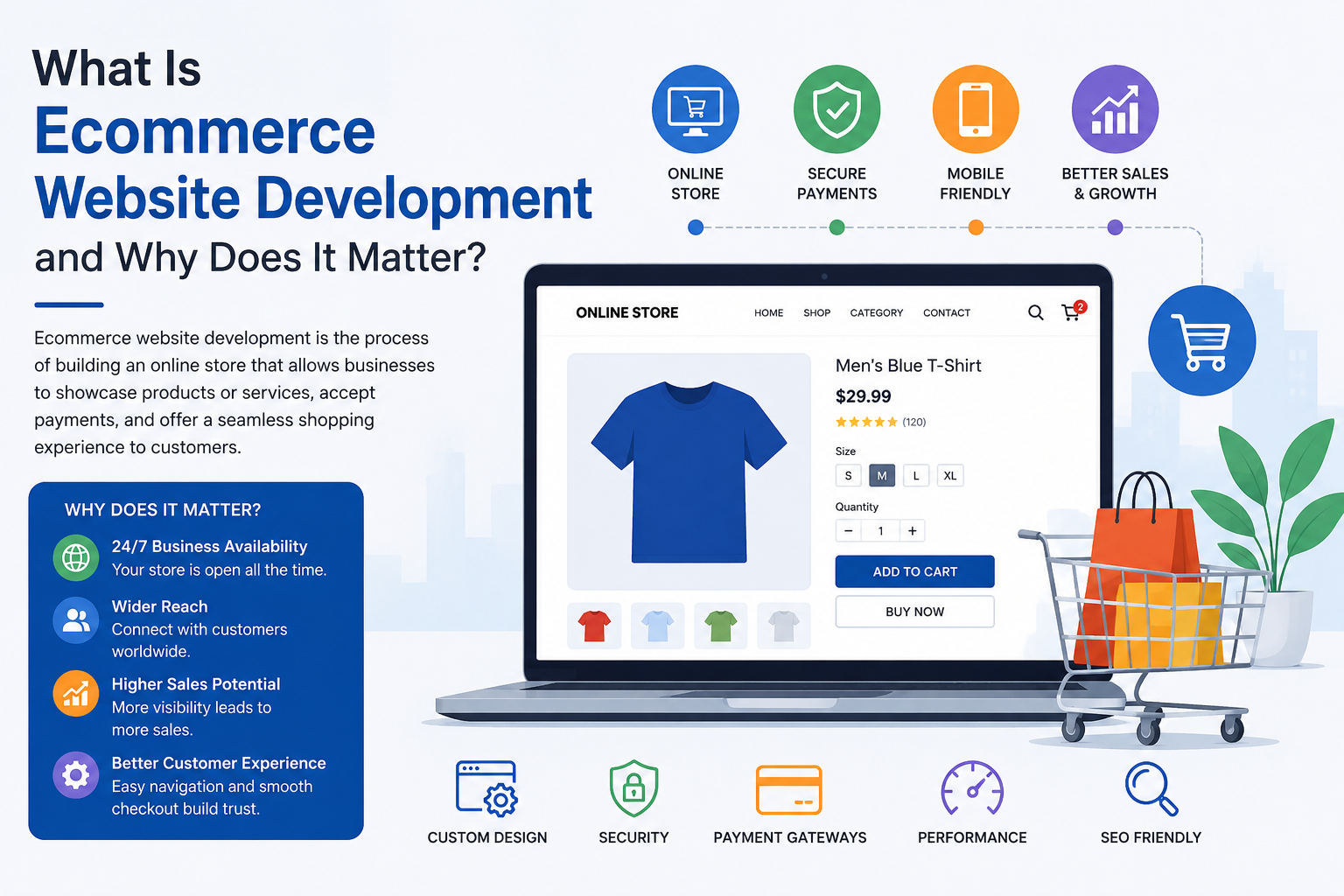
In today’s digital-first economy, buying and selling no longer happen only inside physical stores. From groceries to gadgets, furniture to fashion, consumers expect to browse, compare, and purchase products online with just a few clicks. This shift has made ecommerce website development one of the most valuable skills and business investments of the decade. Whether you’re a startup founder, a retail brand looking to expand online, or an entrepreneur exploring a new revenue stream, understanding what ecommerce website development involves — and why it matters — is essential to building a successful digital business.
Understanding Ecommerce Website Development
Ecommerce website development refers to the process of designing, building, and maintaining an online platform where businesses can sell products or services directly to customers over the internet. It’s far more than just creating a digital storefront; it involves a combination of design, programming, security, and business strategy working together to create a seamless shopping experience.
A typical ecommerce website includes several core components:
- Product catalog and listings – organized displays of products with images, descriptions, and pricing
- Shopping cart and checkout system – tools that allow customers to select items and complete purchases
- Payment gateway integration – secure systems for processing credit cards, digital wallets, and other payment methods
- User account management – login systems, order history, and personalized customer profiles
- Inventory and order management – backend tools to track stock levels and fulfill orders
- Search and navigation features – filters, categories, and search bars that help customers find products quickly
Developers use various tools and platforms to bring these components together, ranging from fully custom-coded solutions to popular ecommerce platforms like Shopify, WooCommerce, Magento, and BigCommerce. The choice of platform often depends on the business’s size, budget, technical requirements, and long-term growth plans.
The Two Sides of Ecommerce Development: Front-End and Back-End
Ecommerce website development is generally divided into two major areas, each playing a distinct role in how the website functions and feels to users.
Front-End Development
The front end is everything a customer sees and interacts with — the layout, colors, fonts, images, buttons, and overall visual design. Front-end developers focus on creating an interface that is not only attractive but also intuitive and easy to navigate. A well-designed front end reduces friction during the shopping journey, making it simple for customers to find products, add them to their cart, and complete a purchase without confusion or frustration.
Back-End Development
The back end is the behind-the-scenes engine that powers the website. It handles data storage, server logic, database management, and integration with third-party services such as payment processors and shipping providers. While customers never directly see the back end, its performance directly affects loading speed, security, and the overall reliability of the site. A poorly built back end can lead to slow page loads, checkout errors, or even data breaches — all of which can severely damage customer trust.
Both front-end and back-end development must work in harmony to create a smooth, secure, and enjoyable shopping experience.
Why Ecommerce Website Development Matters
Understanding the technical process is only part of the picture. The real question for business owners is: why does investing in quality ecommerce website development actually matter? The answer lies in several key business outcomes.
1. First Impressions Drive Conversions
A website is often the first point of contact between a business and a potential customer. Studies consistently show that users form opinions about a website’s credibility within seconds of landing on it. A cluttered, slow, or outdated design can cause visitors to leave before they even see what’s for sale. Professional ecommerce development ensures a polished, trustworthy appearance that encourages visitors to stay, browse, and ultimately buy.
2. Mobile Responsiveness Is No Longer Optional
With a significant share of online shopping now happening on smartphones and tablets, an ecommerce website must perform flawlessly across all screen sizes. Mobile-responsive design isn’t a bonus feature anymore — it’s a baseline requirement. Websites that aren’t optimized for mobile risk losing a large portion of potential customers, along with search engine visibility, since search engines prioritize mobile-friendly sites in their rankings.
3. Site Speed Directly Impacts Sales
Every second counts when it comes to online shopping. Research has repeatedly shown that even a one-second delay in page load time can lead to a noticeable drop in conversions. Skilled ecommerce developers optimize images, code, and server configurations to ensure pages load quickly, reducing cart abandonment and keeping customers engaged.
4. Security Builds Customer Trust
Ecommerce websites handle sensitive information, including personal data and payment details. A single security breach can destroy customer trust and result in significant financial and legal consequences. Proper development practices — including SSL encryption, secure payment gateways, and regular security updates — protect both the business and its customers, fostering long-term trust and loyalty.
5. Scalability Supports Business Growth
A well-developed ecommerce website isn’t just built for today’s needs; it’s built to grow. As a business expands its product lines, enters new markets, or experiences seasonal spikes in traffic, the website must be able to handle increased demand without crashing or slowing down. Thoughtful architecture and scalable infrastructure ensure that growth doesn’t come at the cost of performance.
6. SEO and Discoverability
Even the most beautifully designed ecommerce website is ineffective if customers can’t find it. Ecommerce development includes optimizing site structure, page speed, metadata, and content for search engines. This technical foundation works alongside marketing efforts to improve visibility in search results, driving organic traffic and reducing dependence on paid advertising.
7. Personalized Shopping Experiences
Modern ecommerce development increasingly incorporates data-driven personalization — recommending products based on browsing history, displaying targeted promotions, and tailoring content to individual users. These features, powered by backend logic and customer data, can significantly increase average order value and customer retention.
Key Considerations When Approaching Ecommerce Development
Businesses looking to build or upgrade an ecommerce website should keep a few important factors in mind:
- Choosing the right platform based on budget, technical needs, and scalability goals
- Prioritizing user experience (UX) to reduce friction throughout the buying journey
- Investing in security measures to protect customer data and maintain compliance with regulations
- Planning for mobile-first design given the dominance of mobile shopping
- Building for scalability to accommodate future growth and traffic surges
- Integrating essential tools such as analytics, marketing automation, and customer support systems
Conclusion
Ecommerce website development is far more than a technical task — it’s a strategic investment that directly shapes how customers perceive and interact with a business online. From the visual design that captures attention to the backend systems that ensure security and reliability, every element plays a role in driving conversions, building trust, and supporting long-term growth. In an increasingly competitive digital marketplace, businesses that prioritize thoughtful, well-executed ecommerce development position themselves for sustained success, while those that neglect it risk losing customers to competitors who offer a smoother, safer, and more engaging online shopping experience. As online commerce continues to evolve, the importance of skilled ecommerce website development will only continue to grow.