Food packaging is one of the most important aspects of the food service industry. Whether a customer orders a burger from a fast-food restaurant, a sandwich from a deli, pastries from a bakery, or snacks from a food truck, packaging plays a major role in how the food is protected, presented, and delivered.
Today’s food businesses are no longer looking for packaging that simply holds food. They want solutions that enhance customer experience, strengthen branding, improve food safety, and support operational efficiency. This is where specialized food wrapping materials become valuable.
Among the many packaging products used across restaurants, cafés, bakeries, and catering businesses, food wrapping paper remains one of the most versatile and effective options. It can be used for wrapping, serving, lining trays, protecting food products, and showcasing a company’s brand identity.
In this guide, we’ll explore what food wrapping paper is, how it is used in food service, its benefits, and why it has become an essential packaging solution throughout the United States.
What Is Food Wrapping Paper Used in Food Service?
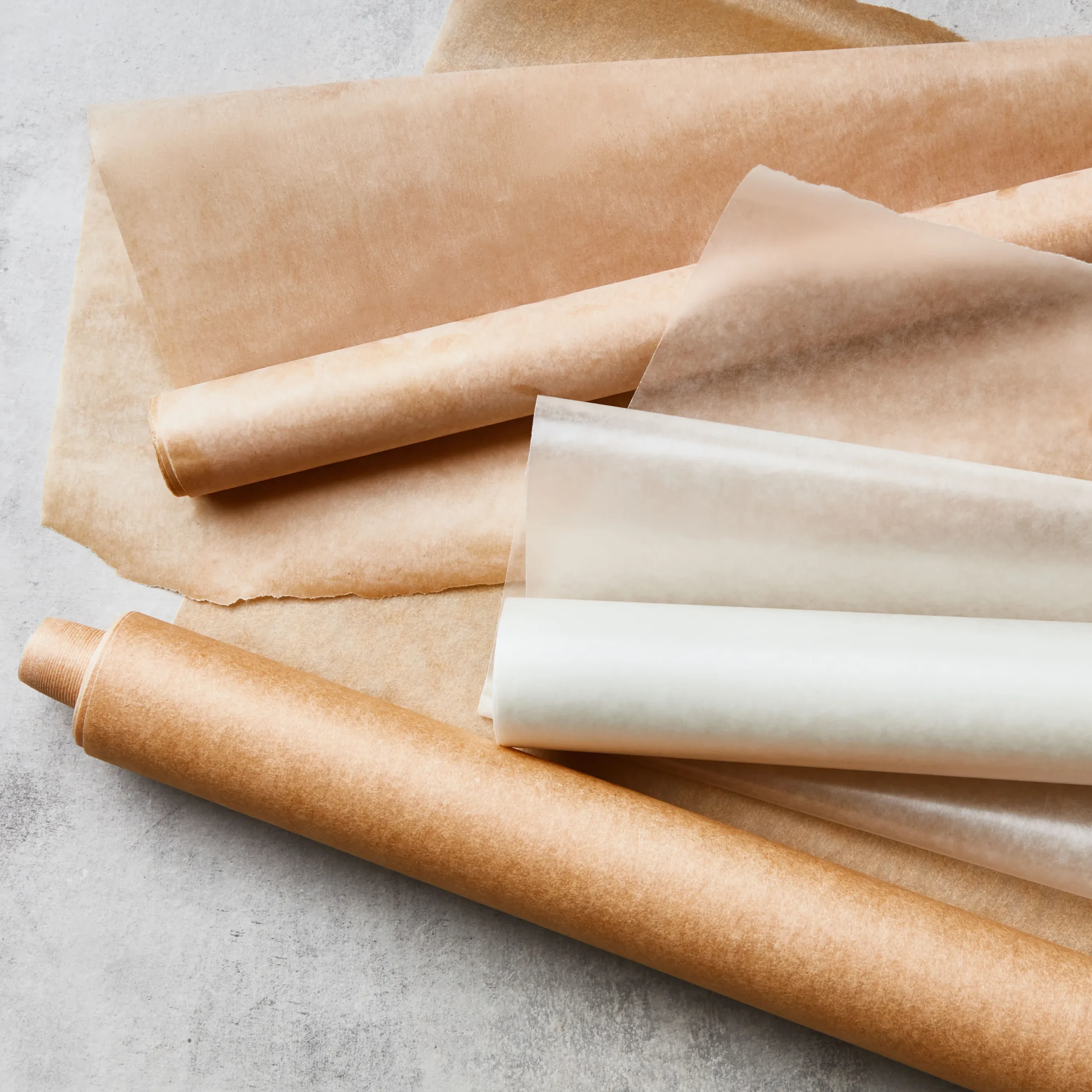
Many restaurants and food businesses rely on custom food paper to package and present food products in a professional and practical way. This type of packaging material is designed specifically for direct food contact and is commonly used to wrap, line, separate, or serve various menu items.
Unlike ordinary paper, food-service wrapping materials are produced using food-safe manufacturing standards and are often designed to resist grease, moisture, and tearing.
Quick Answer
Food wrapping paper is a food-safe packaging material used to wrap, protect, serve, and display food products while supporting cleanliness and presentation.
Common Applications
- Burger wrapping
- Sandwich wrapping
- Bakery packaging
- Deli food service
- Tray liners
- Basket liners
- Takeout packaging
- Food delivery packaging
Businesses across the United States use these materials daily because they combine functionality with branding opportunities.
Why Is Food Packaging Important in the Food Service Industry?
Food packaging serves several purposes beyond simply holding food.
Protects Food Quality
Packaging helps preserve the freshness, appearance, and texture of food products.
Supports Food Safety
Food-contact materials reduce contamination risks and help businesses comply with industry regulations.
Improves Food Presentation
Customers often judge food quality based on appearance. Well-presented food creates stronger first impressions.
Enhances Customer Convenience
Packaging allows customers to enjoy food comfortably whether dining in, taking out, or ordering delivery.
Supports Brand Recognition
Branded packaging helps customers remember a business and creates a more professional image.
Quick Answer
Food packaging protects products, improves presentation, and contributes to a better customer experience.
How Does Printed Food Wrapping Support Branding?
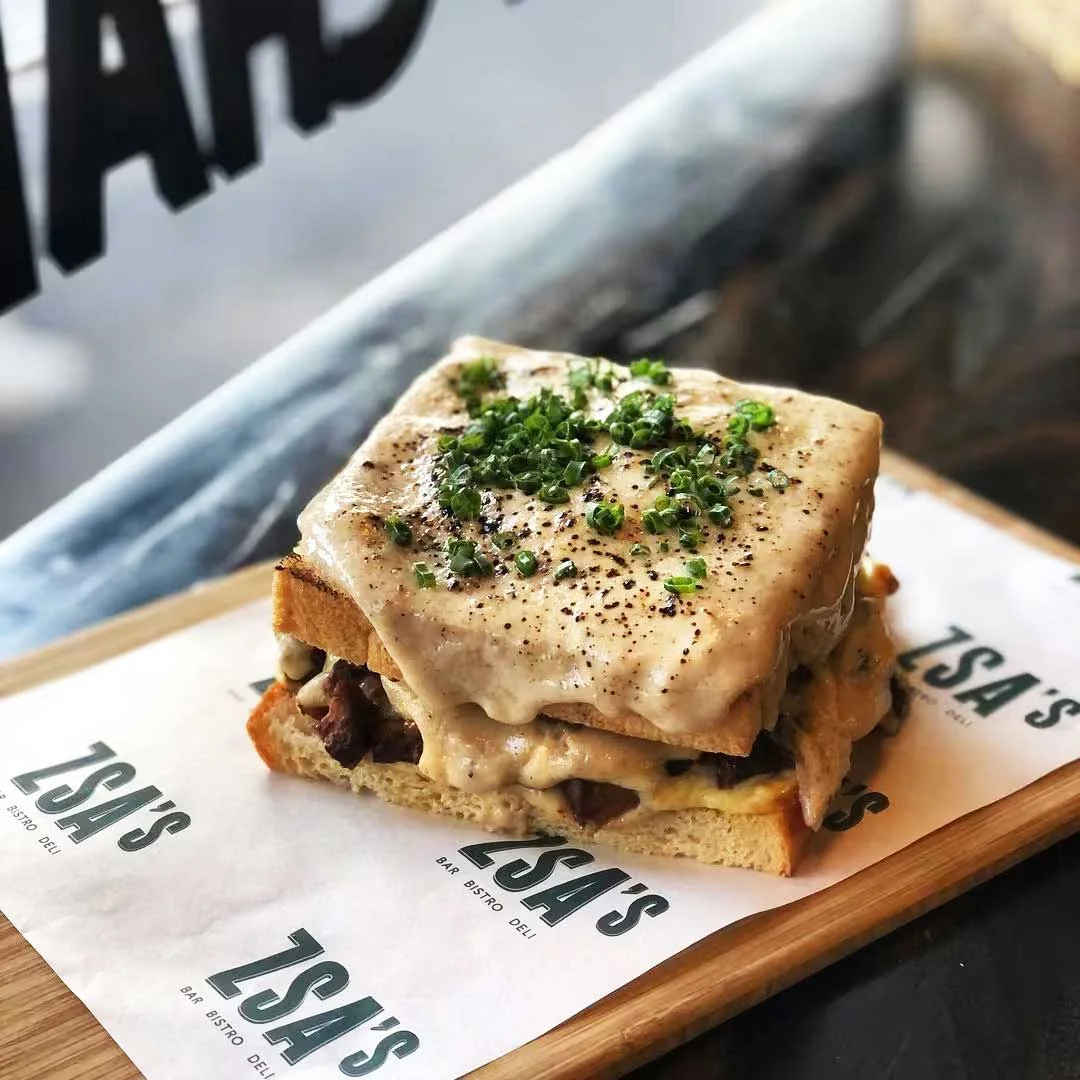
Many businesses use custom wax paper as part of their overall branding strategy because packaging can function as a marketing tool.
When customers receive food wrapped in branded packaging, they are exposed to the restaurant’s visual identity throughout the dining experience.
Branding Elements Often Included
- Logos
- Business names
- Brand colors
- Taglines
- Social media information
- Website addresses
This helps create consistency across customer touchpoints and can increase brand recognition over time.
Why Branding Matters
Customers often remember businesses that provide professional packaging experiences. Strong branding can also encourage social media sharing and word-of-mouth marketing.
Which Types of Businesses Use Food Wrapping Paper?
Food wrapping materials are used across many sectors of the food industry.
Restaurants
Restaurants use wrapping materials for sandwiches, burgers, wraps, and takeout meals.
Fast Food Businesses
Quick-service restaurants often rely on food wrapping to improve portability and cleanliness.
Bakeries
Bakery products such as cookies, pastries, muffins, and croissants frequently require food-safe wrapping.
Food Trucks
Mobile food vendors use packaging that is lightweight, convenient, and practical.
Cafés
Coffee shops often package baked goods and snacks using food-safe wrapping materials.
Delis
Delicatessens commonly wrap sandwiches, meats, cheeses, and prepared foods.
Catering Companies
Caterers use packaging to maintain food quality during transportation and service.
How Does Food Wrapping Improve Customer Experience?
Customer satisfaction depends on more than just food quality.
Packaging directly affects how customers interact with food.
Cleaner Handling
Food wrapping helps customers enjoy meals without excessive mess.
Better Portability
Wrapped foods are easier to carry and consume on the go.
Improved Presentation
Neatly wrapped food often appears more professional and appealing.
Increased Confidence
Customers appreciate packaging that demonstrates attention to detail and food safety.
Quick Answer
Quality packaging creates a cleaner, more convenient, and more enjoyable dining experience.
What Features Should Businesses Look for in Food Wrapping Materials?
Choosing the right packaging involves evaluating several important characteristics.
Food Safety Compliance
Packaging should be approved for direct food contact.
Grease Resistance
Many menu items contain oils that can damage ordinary paper.
Moisture Resistance
Packaging should help maintain structural integrity when exposed to moisture.
Durability
Strong materials reduce tearing and improve performance.
Print Quality
Businesses seeking branded packaging should consider print compatibility.
Sustainability
Many consumers prefer environmentally responsible packaging options.
How Is Food Wrapping Used for Different Menu Items?
Different foods have different packaging requirements.
Burgers
Burger packaging often needs grease resistance and durability.
Sandwiches
Sandwich wraps help preserve freshness and improve portability.
Pastries
Bakery products benefit from lightweight protective wrapping.
Breakfast Items
Packaging helps contain ingredients and maintain presentation.
Fries and Snacks
Tray liners and basket liners improve serving presentation.
Deli Products
Food wrapping protects prepared foods during storage and service.
Matching packaging to specific menu items helps improve overall performance.
Why Is Food-Safe Packaging Important?
Food safety is one of the most important responsibilities of food service businesses.
Packaging materials must be suitable for direct food contact and manufactured according to recognized safety standards.
Benefits of Food-Safe Materials
- Reduced contamination risks
- Regulatory compliance
- Improved customer trust
- Better product protection
Restaurants should always source packaging from reputable suppliers that follow food-contact guidelines.
Quick Answer
Food-safe packaging helps protect both customers and businesses while maintaining product quality.
How Does Packaging Impact Food Delivery?
Food delivery continues to grow throughout the United States.
Unlike dine-in meals, delivery orders remain packaged for longer periods and are exposed to transportation conditions.
Common Delivery Challenges
- Heat retention
- Moisture buildup
- Grease transfer
- Product movement
Proper packaging helps maintain food quality during transport and arrival.
Delivery Packaging Benefits
- Improved customer satisfaction
- Better presentation
- Reduced complaints
- Enhanced food protection
Businesses that invest in quality packaging often achieve better delivery outcomes.
What Role Does Packaging Play in Sustainability?
Many food businesses are seeking packaging solutions that align with environmental goals.
Customers increasingly pay attention to sustainability when making purchasing decisions.
Sustainable Packaging Considerations
- Renewable materials
- Responsible sourcing
- Reduced waste
- Recyclability
- Compostability
Restaurants should work with packaging suppliers to explore available environmentally responsible options.
Helpful Tips for Food Service Businesses
Choose Packaging Based on Food Type
Different menu items require different levels of grease and moisture protection.
Prioritize Food Safety
Always use materials approved for direct food contact.
Test Packaging Before Large Orders
Evaluate packaging performance under actual operating conditions.
Consider Branding Opportunities
Packaging can support marketing efforts and strengthen brand recognition.
Monitor Customer Feedback
Packaging-related comments often reveal opportunities for improvement.
Review Delivery Performance
Regular testing helps ensure packaging meets customer expectations.
Frequently Asked Questions
What is food wrapping paper used for?
Food wrapping paper is commonly used to wrap, protect, serve, and present food products in restaurants, bakeries, cafés, and food trucks.
Is food wrapping paper safe for direct food contact?
Yes, when manufactured according to food-contact standards and regulations.
Why do restaurants use printed food wrapping?
Printed packaging helps strengthen brand recognition and improve customer experience.
Can food wrapping help reduce grease leakage?
Many food-service wrapping materials are designed to resist grease and moisture, helping maintain cleaner packaging.
Which businesses use food wrapping materials most often?
Restaurants, bakeries, cafés, food trucks, delis, and catering companies frequently use food wrapping products.
Does packaging affect customer satisfaction?
Yes. Packaging influences presentation, convenience, cleanliness, and overall customer perception.
Final Words
Food wrapping paper has become an essential component of modern food service operations. Beyond protecting food, it helps improve presentation, support branding efforts, maintain food safety, and enhance customer experience. Whether used in restaurants, bakeries, cafés, food trucks, or catering businesses, quality packaging contributes directly to customer satisfaction and operational success.
As food service businesses continue to compete in increasingly crowded markets, investing in practical and professional packaging solutions can create meaningful advantages. By selecting food-safe, durable, and visually appealing wrapping materials, businesses can better protect their products while building stronger connections with customers.