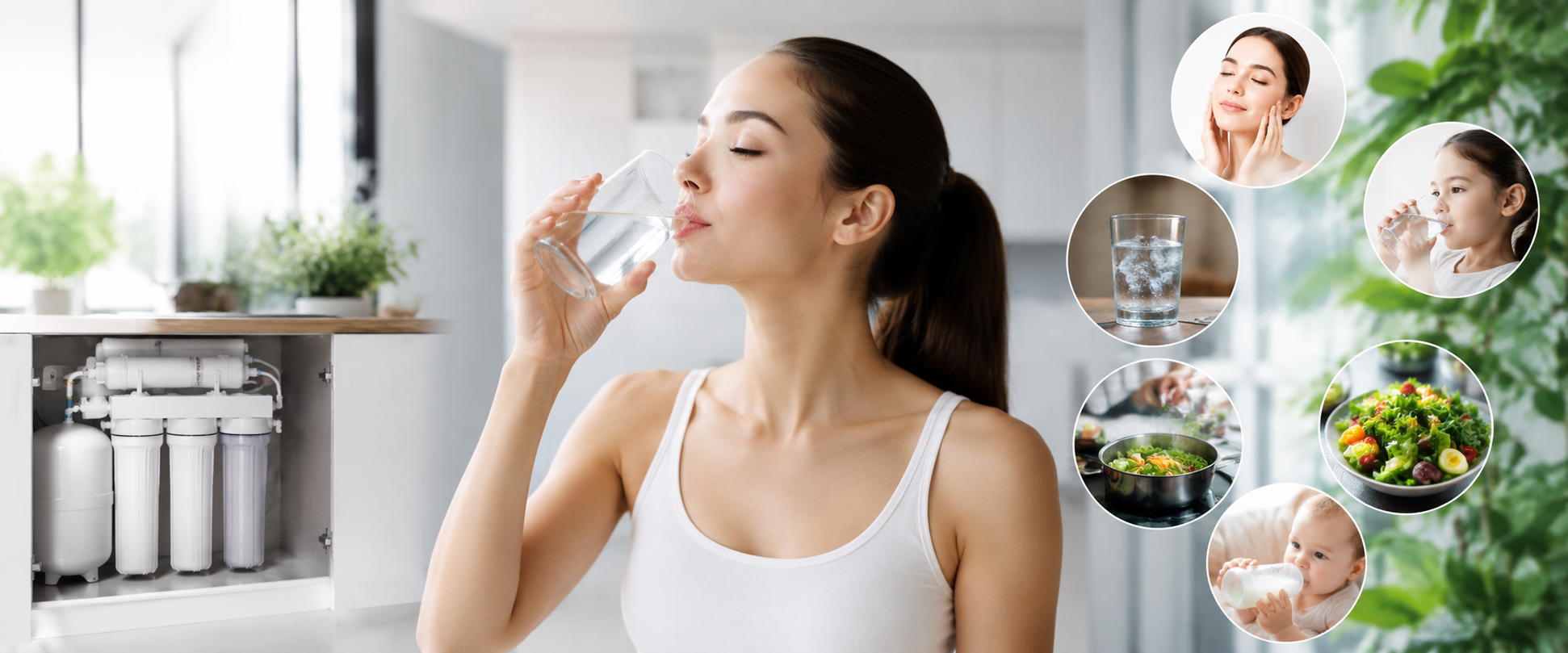
Access to clean and safe drinking water is a fundamental necessity for every household. With growing concerns over municipal water quality and aging infrastructure, many homeowners are turning to advanced residential filtration solutions to protect their families. Choosing the right system can feel overwhelming given the numerous options available on the market today.
Many families rely on basic pitcher filters or refrigerator dispensers, but these methods often fail to remove the microscopic contaminants that linger in tap water. For those seeking the highest level of purity, advanced filtration technologies offer a reliable and continuous source of pristine water right from the kitchen tap.
When looking for ways to improve your household health, understanding the benefits of reverse osmosis water can help you make an informed decision about your home filtration needs. This advanced purification process goes far beyond standard filtration, offering unparalleled peace of mind and exceptional taste for your entire family.
What Is Reverse Osmosis Filtration
Reverse osmosis is a highly sophisticated water purification technology that has been utilized for decades in various industries, including medical facilities, desalination plants, and food production. Today, this powerful technology is available in compact, efficient residential systems designed to fit conveniently under your kitchen sink.
Unlike traditional carbon filters that merely trap larger particles as water passes through, reverse osmosis utilizes a specialized process to separate pure water molecules from unwanted impurities. This system is exceptionally effective at targeting dissolved solids that traditional filtration methods leave behind.
By integrating this technology into your home, you gain access to a continuous supply of highly purified drinking water. The system serves as a powerful barrier against the invisible threats that can compromise your tap water quality, providing an uncompromising standard of purity for your household.
How a Reverse Osmosis System Works
To understand the effectiveness of this process, it helps to examine how the system handles the incoming water supply. The core component of any reverse osmosis system is a semipermeable membrane that features incredibly microscopic pores.
The system operates by utilizing your household water pressure to force tap water through this specialized membrane. The pores in the membrane are so small that they allow only pure water molecules to pass through to the storage tank.
Any contaminants, dissolved salts, heavy metals, and impurities that cannot fit through the membrane are safely washed away down the drain. This continuous self cleaning mechanism ensures that the membrane remains effective and prevents the accumulation of trapped pollutants within the system.
Before the water even reaches the semipermeable membrane, it typically passes through several pre filters. These initial stages are designed to remove larger sediment, rust, sand, and chlorine, which protects the delicate membrane from premature wear and extends its overall operational lifespan.
After passing through the membrane, the purified water is stored in a dedicated holding tank until you turn on your dedicated kitchen faucet. Right before the water leaves the tap, it often passes through a final post carbon filter to polish the taste and ensure ultimate freshness.
Removing Contaminants and Heavy Metals
One of the primary reasons homeowners invest in high quality drinking water systems is the comprehensive removal of harmful contaminants. Traditional tap water can contain a variety of hidden pollutants that enter the supply through agricultural runoff, industrial waste, or corroded municipal pipes.
Lead is a particularly dangerous heavy metal that can leach into drinking water from older plumbing infrastructure. Exposure to lead poses severe health risks, especially for young children and pregnant mothers, making its complete removal a top priority for health conscious families.
Reverse osmosis systems are incredibly efficient at reducing heavy metals like lead, arsenic, chromium, and copper to virtually undetectable levels. The advanced membrane technology filters out these dangerous elements at a molecular level, ensuring your drinking supply is safe.
In addition to heavy metals, these systems excel at removing chemical contaminants such as chlorine, chloramines, pesticides, and volatile organic compounds. These substances not only alter the safety of your water but can also introduce unpleasant odors and chemical tastes.
Modern filtration systems also address emerging contaminants like perfluorinated substances, often referred to as forever chemicals. These synthetic compounds are difficult to remove through standard municipal treatment, but a multi stage reverse osmosis system provides an effective line of defense.
Microbial threats are another concern for homeowners, particularly those utilizing private well water systems. While municipal water is treated to kill bacteria, system failures or water main breaks can introduce dangerous pathogens like giardia or cryptosporidium into your home.
The microscopic pore size of a reverse osmosis membrane acts as a physical barrier against these biological entities. By preventing bacteria and cysts from passing through, the system ensures that every glass of water you pour is biologically safe and pristine.
Improving the Taste and Odor of Tap Water
Many people do not drink enough water simply because they dislike the taste or smell of their household tap water. High levels of total dissolved solids, sulfur, chlorine, and minerals can give water a metallic, medicinal, or musty flavor profile.
When water passes through a comprehensive purification system, these taste altering impurities are thoroughly stripped away. The result is exceptionally clean, crisp, and refreshing water that encourages everyone in the household to stay properly hydrated throughout the day.
The improvement in water quality extends far beyond what you pour into a drinking glass. Using purified water for cooking can dramatically enhance the natural flavors of your favorite recipes, as foods no longer absorb the chemical impurities found in raw tap water.
Beverages like coffee, tea, and homemade juices taste significantly better when prepared with highly purified water. Standard tap water minerals can interfere with the brewing process, altering the aroma and leaving an undesirable film on the surface of your morning brew.
Ice cubes made from unpurified tap water are often cloudy and can impart an unpleasant taste to your drinks as they melt. Ice produced with reverse osmosis water is crystal clear and free from odors, ensuring your cold beverages remain pristine from the first sip to the last.
Financial Savings and Environmental Impact
Investing in an under sink drinking water system offers substantial financial advantages over time. Many households spend hundreds of dollars annually on single use plastic water bottles or expensive home delivery services to avoid drinking local tap water.
By producing your own purified water at home, you can eliminate the recurring expense of purchasing bottled water. The cost per gallon of water produced by a residential purification system is a mere fraction of the price of commercial bottled alternatives.
The convenience of having pure water available directly from your kitchen faucet eliminates the physical hassle of transporting heavy cases of water from the grocery store. It also frees up valuable storage space in your pantry or refrigerator that would otherwise be occupied by bottles.
From an environmental perspective, reducing your reliance on bottled water has a massive positive impact. Single use plastic bottles contribute significantly to global pollution, with millions of plastic containers ending up in landfills and oceans every single year.
Operating a home filtration system minimizes your carbon footprint by reducing the demand for plastic manufacturing and the transportation energy required to ship bottled water nationwide. It allows your family to adopt a highly sustainable lifestyle without compromising on water quality.
Choosing the Right Water Filtration System for Your Home
Selecting the perfect water treatment solution depends heavily on your specific geographic location, the source of your water, and your household size. Homeowners using municipal city water face different challenges than those relying on private well water systems.
A professional water analysis is the most effective way to determine exactly what contaminants are present in your supply. This assessment provides a clear blueprint of your water chemistry, allowing experts to recommend a tailored solution that fits your exact needs.
For comprehensive protection, many homeowners combine an under sink reverse osmosis system with a whole house water softening system. Hard water contains high levels of calcium and magnesium, which can cause scale buildup in appliances and plumbing fixtures.
While a water softener protects your pipes, water heater, and clothing from hard water damage, it is not designed to purify drinking water. Pairing a whole house conditioner with a dedicated point of use drinking system provides the ultimate combination of utility and purity.
Some modern properties benefit from a tankless reverse osmosis design, which offers a compact footprint and eliminates the need for a separate water storage tank. These high flow systems purify water on demand, saving space while maintaining an exceptional flow rate.
Maintaining Your Household Drinking Water System
To ensure consistent performance and maintain the highest standard of water purity, regular system maintenance is necessary. Fortunately, modern residential purification systems are engineered to be user friendly and require minimal ongoing intervention.
The sediment and carbon pre filters must be replaced periodically to protect the system from clogging and to maintain proper water flow. For most households, changing these initial filters every six to twelve months is sufficient to keep the system running efficiently.
The central semipermeable membrane boasts a much longer lifespan than the preliminary filters due to the self cleaning design. Depending on the quality of your incoming water and your daily usage, the membrane typically requires replacement every two to three years.
Failing to replace filters on schedule can reduce the flow rate of your system and compromise its ability to effectively remove contaminants. Keeping a consistent maintenance schedule ensures that your system continues to deliver pristine water without interruption.
Sanitizing the system components and the storage tank during regular filter changes helps prevent any localized bacterial growth. This straightforward process ensures that the storage environment remains as clean and pure as the water passing through the membrane.
Why Professional Installation Matters
While some homeowners attempt to install water systems as a weekend DIY project, professional installation provides significant advantages. Certified technicians possess the specialized tools and expertise required to integrate the system seamlessly into your plumbing.
A professional technician ensures that all connections are perfectly secure, which minimizes the risk of hidden leaks that could cause expensive water damage to your kitchen cabinetry. They also verify that your household water pressure is optimal for system performance.
If your home features a stone or custom countertop, drilling the necessary hole for the dedicated drinking water faucet requires precise skill. Professionals can perform this task safely without risking fractures or unsightly damage to expensive materials.
Expert installation also includes a comprehensive check of the system post setup to confirm that the filtration stages are operating exactly as intended. This gives you complete confidence that your new investment is providing the maximum level of protection from day one.
Furthermore, relying on established water treatment professionals grants you access to ongoing customer support and reliable maintenance services. Knowing that factory trained technicians are available to service your system brings long term peace of mind to your household.
Conclusion
Upgrading your home with a dependable drinking water system is a proactive step toward safeguarding your family health and enhancing your daily quality of life. The exceptional purity provided by reverse osmosis technology ensures that you no longer have to compromise on the safety, taste, or odor of your water.
By removing heavy metals, chemical pollutants, and microscopic impurities, these systems deliver an uncompromising level of performance that standard filters simply cannot match. The resulting financial savings and environmental benefits make it a wise investment for any forward thinking homeowner.
Taking control of your household water quality allows you to enjoy the peace of mind that comes with knowing every drop of water is clean and fresh. Partnering with experienced water treatment professionals ensures that you receive a customized, high performance system designed to serve your home reliably for many years to come.
Frequently Asked Questions
What is the difference between a water softener and a reverse osmosis system
A water softener is designed to remove hardness minerals like calcium and magnesium to protect your plumbing and appliances from scale buildup. A reverse osmosis system is a purification system that removes microscopic contaminants, heavy metals, and chemicals from your drinking water.
How much water does a reverse osmosis system waste during filtration?
Modern residential systems are highly efficient and produce a minimal amount of wastewater, which is used to flush away rejected contaminants from the membrane. This wastewater can be managed efficiently, and the small amount used is a necessary part of keeping the filtration membrane clean and functional over the years.
Does reverse osmosis remove healthy minerals from drinking water?
The purification process is designed to remove all dissolved solids, which includes minerals like calcium and magnesium alongside dangerous contaminants. Because the vast majority of our daily essential minerals come from the food we eat rather than the water we drink, this mineral reduction does not negatively impact human health.
Can a reverse osmosis system be connected to a refrigerator ice maker?
Yes, an under sink purification system can easily be connected to your refrigerator water dispenser and ice maker using specialized tubing. This setup ensures that your refrigerator ice cubes and cold water dispenser utilize the exact same highly purified water as your dedicated kitchen faucet.
How do I know when it is time to change the water filters?
The most common signs that your filters need replacement include a noticeable drop in water pressure from the faucet or a change in the taste and smell of the water. Following the manufacturer recommended schedule of changing pre filters annually and membranes every two to three years is the best way to maintain purity.