
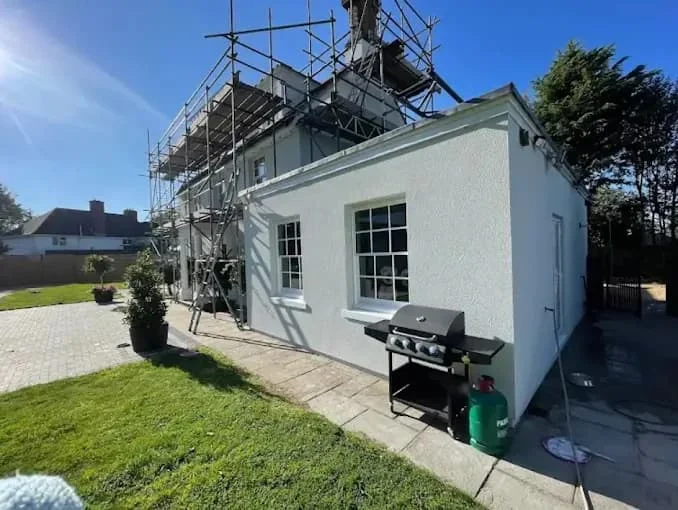
The outside of your home is the first thing people notice, but its value goes far beyond appearance. A well-maintained exterior protects your property from weather, improves energy efficiency, and helps preserve the overall condition of the building. Whether you plan to stay in your home for many years or sell it in the future, investing in exterior improvements can provide lasting benefits.
Many homeowners delay exterior projects because they focus on indoor renovations first. However, ignoring the outside of a home can lead to expensive repairs that could have been prevented with timely upgrades. Understanding how exterior improvements affect your home’s performance can help you make informed decisions.
When planning major exterior work, consulting an experienced Stucco Contractor in Philadelphia can help you understand which materials and installation methods are best suited for the local climate. Choosing the right approach from the beginning often leads to better durability, fewer maintenance issues, and a longer-lasting exterior.
Why Should Homeowners Invest in Exterior Upgrades?
Exterior upgrades are about more than making a home look attractive. They improve protection, increase property value, and reduce future maintenance costs.
A strong exterior acts as a shield against rain, snow, wind, sunlight, and temperature changes. Over time, these weather conditions can cause damage if exterior materials begin to wear out.
Upgrading aging surfaces before serious problems develop helps protect the entire structure of the home.
How Can Exterior Improvements Increase Property Value?
One of the biggest advantages of exterior upgrades is the positive impact on property value.
A clean, updated exterior creates a strong first impression for visitors and potential buyers. People often judge the condition of a home by its appearance before they even step inside.
Well-maintained exterior features can make buyers feel more confident that the property has been cared for properly.
Common improvements that add value include:
- Updated exterior finishes
- New siding or wall systems
- Fresh exterior coatings
- Better drainage systems
- Modern trim and architectural details
These improvements not only enhance appearance but also contribute to the home’s long-term condition.
Can Exterior Upgrades Help Prevent Costly Repairs?
Yes. Small exterior problems often become much larger if they are ignored.
Tiny cracks may allow moisture to enter the wall system. Over time, trapped moisture can lead to mold, wood rot, insulation damage, or structural issues.
Addressing these concerns early through exterior improvements helps homeowners avoid expensive repairs later.
Preventive maintenance is usually far less costly than major restoration work.
How Do Exterior Upgrades Improve Energy Efficiency?
Your home’s exterior plays an important role in controlling indoor temperatures.
Older or damaged exterior materials may allow unwanted heat, cold, and moisture to affect your home’s insulation.
Modern exterior systems help improve energy performance by creating a stronger barrier between indoor and outdoor conditions.
Benefits may include:
- Lower heating costs during winter
- Reduced cooling expenses in summer
- More consistent indoor temperatures
- Less strain on heating and cooling equipment
Improved energy efficiency can result in noticeable savings over time.
What Types of Exterior Upgrades Offer the Greatest Benefits?
Every property is different, but several improvements consistently provide long-term value.
Some popular options include:
Durable Exterior Wall Finishes
Quality exterior finishes protect the building while improving curb appeal.
Moisture Protection Improvements
Proper flashing, drainage, and sealing help keep water away from vulnerable areas.
Surface Repairs
Repairing cracks and damaged sections prevents small issues from growing into larger problems.
Exterior Insulation Enhancements
Improved insulation contributes to better energy efficiency and greater indoor comfort.
Decorative Updates
New colors, trim, and architectural details can modernize the appearance of a home without changing its structure.
How Does Weather Affect the Outside of a Home?
Homes experience constant exposure to changing weather conditions.
Over the years, rain, humidity, freezing temperatures, sunlight, and seasonal temperature changes gradually affect exterior materials.
Common weather-related problems include:
- Surface cracking
- Moisture penetration
- Fading
- Expansion and contraction
- Staining
- Premature aging
Choosing durable materials helps reduce the impact of these natural conditions.
How Can Homeowners Choose the Right Exterior Materials?
Not every material performs the same in every environment.
Before selecting exterior products, homeowners should consider:
- Local weather conditions
- Expected maintenance
- Durability
- Appearance
- Budget
- Long-term performance
Selecting materials based on long-term value rather than only initial cost often provides better results.
What Maintenance Helps Exterior Upgrades Last Longer?
Regular maintenance protects your investment and extends the life of exterior improvements.
Helpful maintenance practices include:
- Inspect walls every year
- Clean exterior surfaces regularly
- Repair small cracks quickly
- Keep gutters free from debris
- Watch for signs of water intrusion
- Schedule professional inspections when needed
Simple maintenance helps prevent larger problems from developing.
Why Is Professional Installation Important?
High-quality materials perform best when installed correctly.
Proper surface preparation, moisture control, and installation techniques all affect how well an exterior system performs over time.
Experienced professionals understand how local weather conditions influence material performance and can recommend solutions that fit each property’s needs.
For homeowners looking for reliable exterior solutions, Alston Stucco & Remediation provides professional services focused on quality workmanship and long-term durability.
What Signs Suggest It’s Time for an Exterior Upgrade?
Many homes show warning signs before major problems appear.
Look for:
- Cracks in exterior walls
- Water stains
- Loose or damaged materials
- Mold or mildew
- Peeling finishes
- Fading colors
- Visible wear around windows and doors
Addressing these issues early helps protect the home’s structure and prevents more expensive repairs.
Frequently Asked Questions
How often should a home’s exterior be inspected?
A yearly inspection is recommended, especially after severe weather. Regular inspections help identify small problems before they become major repairs.
Are exterior upgrades a good long-term investment?
Yes. They improve protection, increase property value, reduce maintenance costs, and help extend the life of the home.
Can exterior improvements lower utility bills?
In many cases, yes. Better insulation and properly installed exterior systems improve energy efficiency and reduce heating and cooling costs.
What is the biggest benefit of upgrading older exterior surfaces?
The biggest advantage is preventing moisture damage while improving the appearance, durability, and value of the property.
Should small exterior cracks be repaired quickly?
Yes. Even minor cracks can allow moisture to enter, leading to more serious structural problems if left untreated.
Final Thoughts
Exterior upgrades are an investment in the long-term health, appearance, and value of your home. They protect the structure from weather, improve energy efficiency, reduce future repair costs, and create a more attractive property.
By choosing durable materials, addressing problems early, and relying on skilled professionals, homeowners can enjoy lasting results that continue to benefit their property for many years. A well-maintained exterior not only looks better but also provides stronger protection and greater peace of mind.
