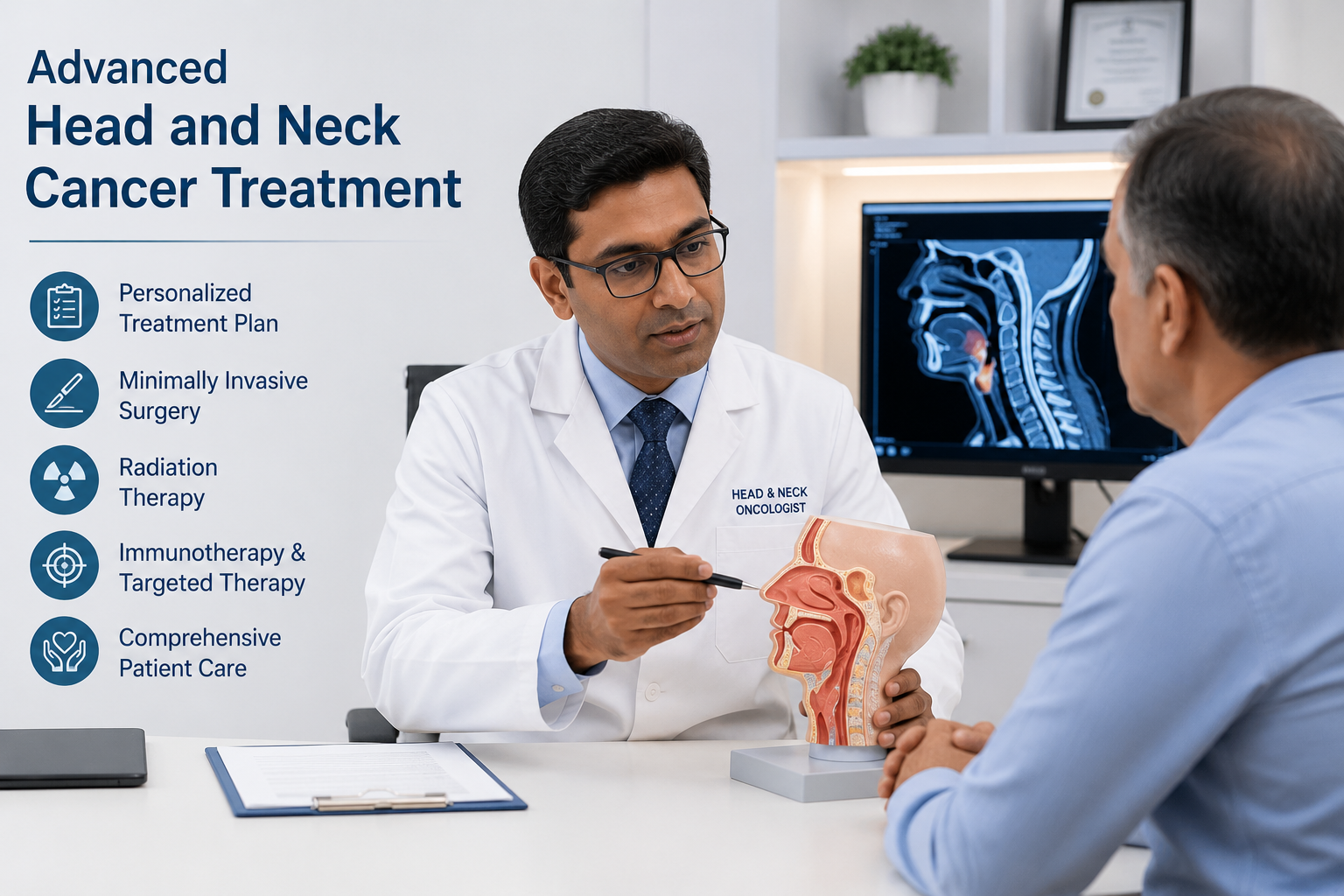
Head and neck cancers affect vital areas such as the mouth, throat, voice box, salivary glands, nasal cavity, and sinuses. Early diagnosis and timely medical intervention significantly improve treatment success and quality of life. Advanced head and neck cancer treatment combines modern diagnostic technology with personalized therapies to target cancer while preserving essential functions like speaking, swallowing, and breathing. With experienced oncologists and a multidisciplinary approach, patients receive comprehensive care tailored to their specific diagnosis and overall health.
Modern Approaches to Head and Neck Cancer Care
The choice of treatment depends on several factors, including the cancer’s type, stage, location, and the patient’s medical condition. Specialists perform detailed evaluations using advanced imaging, biopsy, and molecular testing to develop an individualized treatment strategy.
Patients seeking advanced head and neck cancer treatment may benefit from a combination of therapies, including:
- Minimally invasive and robotic surgery
- Radiation therapy with precision targeting
- Chemotherapy
- Immunotherapy
- Targeted therapy
- Reconstructive surgery
- Speech and swallowing rehabilitation
- Nutritional counseling
- Supportive and palliative care
Each treatment plan is designed to maximize effectiveness while reducing side effects and preserving the patient’s quality of life.
Head and Neck Cancer Treatment in India
Today, head and neck cancer treatment in India is recognized for its advanced medical infrastructure, experienced oncology specialists, and access to innovative treatment technologies. Many leading cancer centers offer multidisciplinary care, bringing together surgical oncologists, radiation oncologists, medical oncologists, radiologists, pathologists, nutritionists, speech therapists, and rehabilitation experts under one roof.
Patients benefit from personalized treatment plans, evidence-based medical protocols, state-of-the-art diagnostic facilities, and continuous follow-up care. Modern techniques such as image-guided radiation therapy, robotic-assisted surgery, precision medicine, and molecular diagnostics help improve treatment accuracy and clinical outcomes.
Is There a Head and Neck Cancer Cure?
Many people search for a head and neck cancer cure, but treatment outcomes depend on factors such as the cancer type, stage at diagnosis, overall health, and response to therapy. Early-stage cancers often have better treatment success rates, while advanced cases can frequently be managed effectively using a combination of surgery, radiation, chemotherapy, immunotherapy, and targeted therapy.
Regular follow-up appointments, healthy lifestyle changes, tobacco and alcohol cessation, nutritional support, and rehabilitation services play an important role in long-term recovery and reducing the risk of recurrence.
Conclusion
Choosing expert oncology care is one of the most important decisions after a cancer diagnosis. Modern treatment strategies focus on accurate diagnosis, personalized care, advanced technology, and compassionate support throughout every stage of recovery. Whether you require surgery, radiation therapy, chemotherapy, immunotherapy, or rehabilitation, a multidisciplinary team can help you receive comprehensive care that improves treatment outcomes and enhances your quality of life. Early consultation with experienced specialists remains the key to achieving the best possible results.