
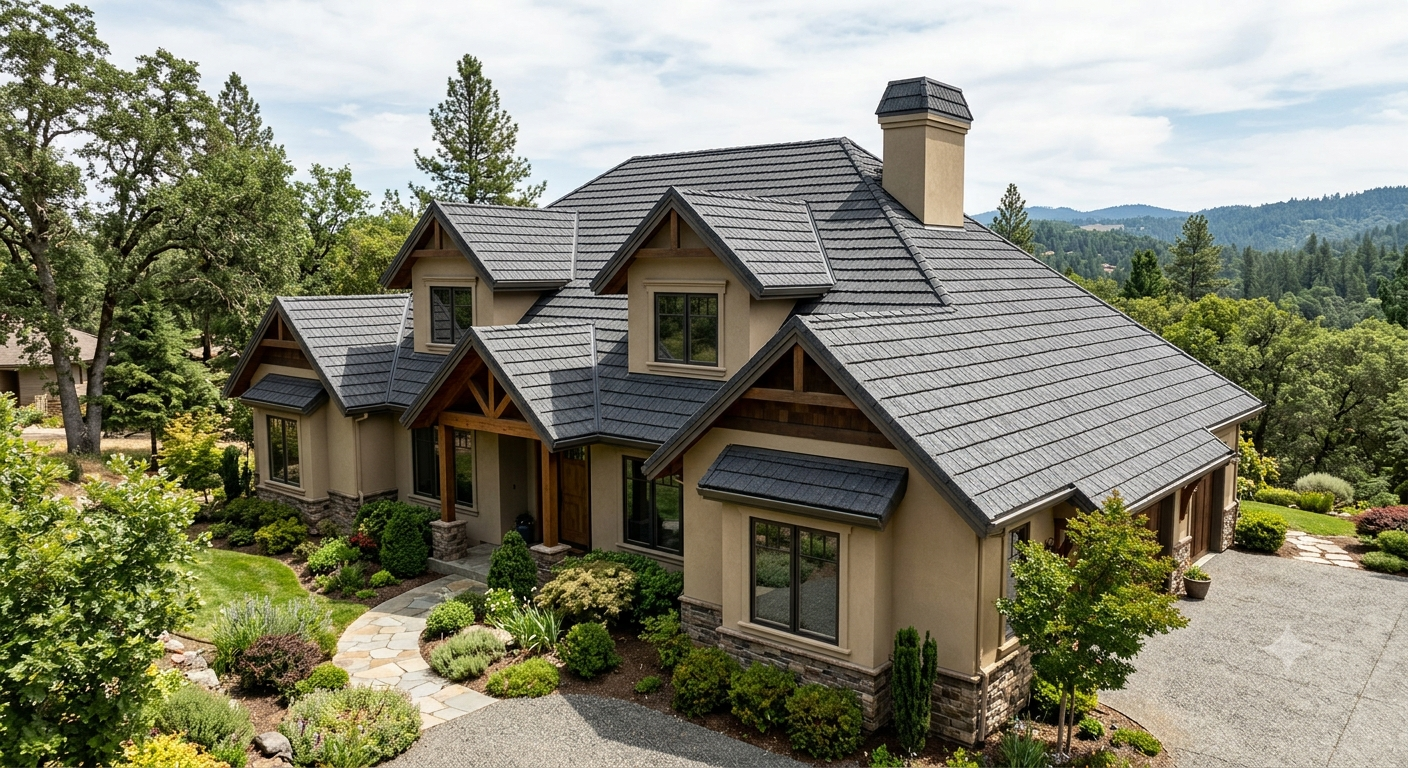
Tropical environments accelerate the accumulation of dead leaves and branches on residential properties. Regular maintenance for a Stone Coated Roof prevents organic material from trapping moisture on the shingles. Accumulated leaves create damp spots that encourage black spores to spread quickly across the tiles.
Property owners should check the gutter tracks at least twice every year. Twigs block natural rainwater drainage patterns and cause pooling water along the lower edge profiles. Clearing these blocks keeps the stone-textured granules dry and clean throughout the rainy season.
Spraying the Shingles With the Correct Water Pressure
Dirt buildup dulls the appearance of premium roofing materials over time. Homeowners must use a standard garden hose with a spray nozzle for routine washing tasks. High-pressure power washers strip away the protective stone granules from the underlying steel base sheets.
Washing should proceed from the top ridge down toward the lower drainage eave sections. This directional flow keeps water from pushing upward underneath the interlocking panel joints. Safe washing methods preserve the textured exterior layers while clearing away salt and dust deposits.
Applying Safe Algae Treatment Solutions
High humidity levels cause green moss and black algae to grow on shaded roof areas. Homeowners should apply a specialized biodegradable zinc or copper liquid treatment to clear these organisms. Harsh chemicals like concentrated chlorine bleach strip away the factory-applied acrylic glaze coatings.
The treatment solution requires a cloudy day for application to avoid rapid liquid evaporation. Workers use a low-pressure garden pump sprayer to distribute the mixture evenly across the tiles. The compound kills microscopic plant roots without damaging the colored stone granule finish layers.
Inspecting the Granule Layer and Flashings
The stone textured surface serves as the main barrier against harsh midday solar heat. Property owners must look for bare metallic patches during regular annual home inspections. Severe tropical storms can cause tree branches to scrape against the structural panels.
Technicians apply a matching acrylic basecoat adhesive over any exposed steel spots immediately. They scatter loose replacement stone granules over the wet glue to restore the uniform protective layer. This quick patch process seals the metal before rust can form on the sheets.
Checking the Rubber Washers and Fasteners
Frequent temperature shifts cause roof framing materials to expand and contract constantly. Screws can loosen slightly over several years of intense tropical heat and rain cycles. Loose fasteners create small pathways for water to leak into the ceiling insulation space.
Maintenance teams must tighten any raised hex heads using a standard cordless driver tool. They check the condition of the small rubber sealing washers underneath the metal screw heads. Brittle or cracked washers require immediate replacement to maintain a completely watertight residential structure.
Key Takeaway
Proper preventative care extends the overall performance life of premium tropical housing materials. Adhering to a steady schedule for your Stone Coated Roof stops organic growth and structural decay early. Simple low-pressure washing, moss treatments, and fastener checks preserve your long-term shelter investment.

