
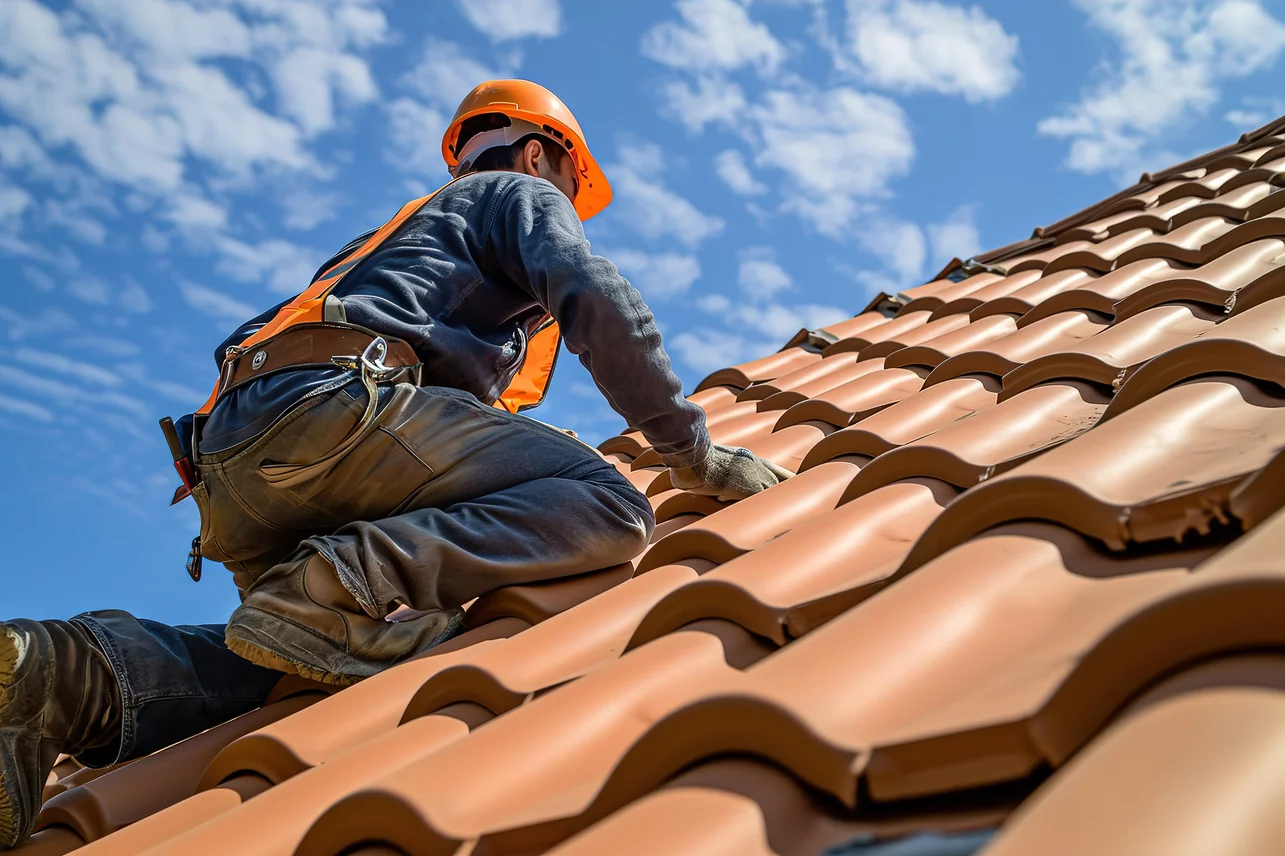
Harsh weather can shorten the life of a roof and increase repair costs without the right materials and installation methods. Property owners should compare durability, maintenance needs, and local climate conditions before making a decision. Choosing New construction roofing with weather resistance in mind helps reduce long-term expenses while improving protection against heavy rain, strong winds, hail, snow, and intense sunlight. Careful planning leads to a roof that performs well for many years.
Why Weather Conditions Matter When Choosing a Roof
Every region faces different weather challenges, making climate one of the most important factors in roofing decisions. Heavy rainfall requires materials that resist water penetration, while high winds demand secure fastening systems that prevent lifting or damage. Areas with frequent hail benefit from impact-resistant products, and locations with intense sunlight need roofing materials that reflect heat and resist fading. Selecting a roof based on environmental conditions rather than appearance alone helps reduce maintenance costs and increases the overall lifespan of the structure.
Comparing Popular Roofing Materials
Several roofing materials perform well under harsh weather, but each has unique strengths and limitations. Metal roofing is known for its excellent resistance to wind, fire, and heavy snow while offering a long service life. Asphalt shingles remain popular because they are affordable and available in impact-resistant options. Clay and concrete tiles perform well in hot climates and resist fire effectively, though they require strong structural support. Synthetic roofing materials combine durability with lighter weight, making them a practical choice for many modern buildings.
How Proper Installation Improves Roof Performance
The quality of installation often determines whether a roof performs well during severe weather. Skilled contractors follow manufacturer guidelines, install proper flashing around vulnerable areas, and use quality underlayment to create an additional moisture barrier. Secure fastening methods reduce the risk of wind damage, and proper roof ventilation helps control moisture buildup and temperature changes. Even premium roofing materials can fail prematurely without careful installation, making professional workmanship just as important as selecting the right roofing product.
Selecting the Right Roofing System Step by Step
Choosing the right roofing system becomes easier by following a clear process instead of focusing only on price. Begin by evaluating local weather conditions and reviewing building requirements. Compare roofing materials based on durability, maintenance needs, expected lifespan, and warranty coverage. Request detailed estimates from experienced roofing contractors and verify their licensing and references. Review installation methods carefully and confirm that quality underlayment, flashing, and ventilation are included before making a final decision for lasting protection.
Common Roofing Mistakes That Reduce Durability
Many roofing problems develop because important details are overlooked during planning or installation. Choosing materials based only on appearance often results in poor weather performance. Poor attic ventilation can trap moisture and heat, leading to structural damage over time. Ignoring routine inspections allows small issues to become costly repairs, especially after major storms. Low-quality fasteners and flashing may also fail during strong winds or heavy rainfall. Avoiding these common mistakes helps maximize the roof’s service life and reduces unexpected repair expenses.
Essential Features of a Weather-Resistant Roof
A roofing system designed for harsh weather should include several important features that improve long-term performance:
- Impact-resistant roofing materials for hail protection.
- Strong fastening systems that resist high winds.
- Waterproof underlayment for extra moisture defense.
- Proper attic ventilation to control heat and humidity.
- Durable flashing around chimneys, vents, and roof valleys.
- Quality gutters that direct water away from the building.
- Regular inspections and timely maintenance to prevent larger issues.
Long-Term Value of Choosing the Right Roof
Selecting a durable roofing system provides benefits that extend far beyond immediate protection. High-quality roofs require fewer repairs, maintain their appearance longer, and improve energy efficiency by helping regulate indoor temperatures. Many weather-resistant materials also increase property value because buyers appreciate dependable construction with lower maintenance needs. Careful planning, quality materials, and professional installation work together to create reliable protection against harsh weather. Investing wisely at the beginning often leads to significant savings throughout the roof’s lifespan.
Conclusion
Choosing the best roofing option for harsh weather depends on climate, material quality, installation standards, and ongoing maintenance. Every roofing system has strengths, but long-lasting performance comes from selecting products suited to local weather conditions and ensuring they are installed correctly. Regular inspections and prompt repairs further protect the investment and extend the roof’s life. Taking time to compare options carefully helps property owners enjoy dependable protection, lower maintenance costs, and greater peace of mind through every season.
