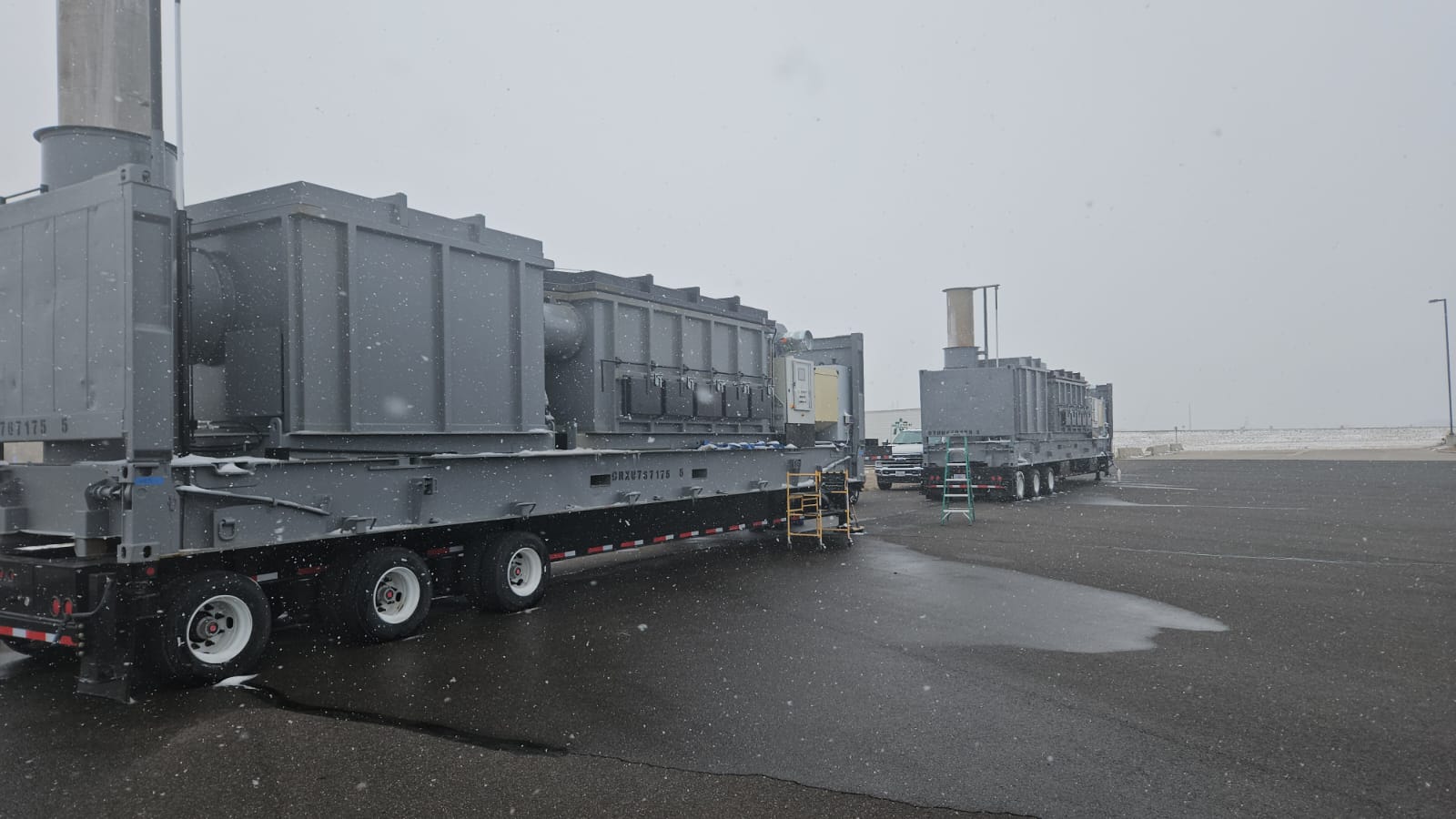
India’s push toward cleaner fuel is reshaping its energy landscape, and ethanol sits right at the center of it. With the government’s Ethanol Blending Programme (EBP) accelerating demand, entrepreneurs and industrialists across the country are exploring one big question: how much does it actually cost to set up an ethanol plant in India?
This guide breaks down the real numbers, the factors that move them, and what it takes to get an ethanol plant up and running.
What Exactly Is an Ethanol Plant?
An ethanol plant is an industrial facility that converts raw agricultural materials — molasses, grains, corn, or biomass — into ethyl alcohol through fermentation and distillation. The output, fuel-grade ethanol, is blended with petrol and also used across pharmaceuticals, chemicals, and beverage manufacturing.
The production cycle typically moves through four stages: preparing raw material, fermenting it, distilling and dehydrating the output, and finally storing and dispatching the finished ethanol. As India works toward higher blending targets, the number of ethanol plants across the country continues to climb.
Ethanol Plant Cost in India: Capacity-Wise Breakdown
Setup cost is closely tied to plant capacity, measured in Kilo Liters Per Day (KLPD). Here’s a realistic estimate:
| Plant Capacity | Estimated Investment |
|---|---|
| 30 KLPD | ₹40 Crore – ₹70 Crore |
| 60 KLPD | ₹80 Crore – ₹120 Crore |
| 100 KLPD | ₹120 Crore – ₹180 Crore |
| 200+ KLPD | ₹200 Crore and above |
These figures are indicative and can shift depending on your state, raw material source, and the technology you choose to install.
What Drives the Cost Up or Down?
1. Plant Capacity
Larger plants demand a bigger upfront investment, but they also bring down the per-liter production cost over time. Scale works in your favor once the plant is operational — the challenge is funding that initial scale.
2. Raw Material Source
The feedstock you choose has a direct impact on both setup and running costs. Common raw materials include:
- Sugarcane molasses
- Damaged or surplus food grains
- Corn and maize
- Rice and wheat
Molasses-based plants are often cheaper to set up in sugar-producing states, while grain-based plants offer more flexibility but may need additional processing equipment.
3. Land and Infrastructure
Land prices vary sharply across states, and choosing a location within an established industrial zone can meaningfully cut costs. Infrastructure needs include reliable water supply, uninterrupted power, storage tanks, and transport connectivity — all of which add to the total investment.
4. Technology and Equipment
Modern ethanol plants rely on automated fermentation systems, efficient distillation columns, and proper effluent treatment facilities. Opting for advanced, automated equipment raises upfront costs but improves yield, consistency, and long-term operational savings.
5. Regulatory and Compliance Costs
No ethanol plant can begin operations without clearing a set of mandatory approvals, including:
- Environmental Clearance
- Pollution Control Board (PCB) Clearance
- Industrial Licensing
- Fire and Safety Clearance
- Factory Registration
These approvals come with their own processing fees and consultancy costs, which should be factored into your overall budget.
How to Set Up an Ethanol Production Plant: Step-by-Step
Step 1: Conduct a Feasibility Study Before committing capital, assess raw material availability in your region, local market demand, expected profitability, and any state or central government incentives applicable to ethanol production.
Step 2: Select and Secure Land Choose land that already carries industrial zoning clearance to avoid delays. Proximity to raw material sources and transport routes is equally important.
Step 3: Finalize Technology and Equipment Decide on the fermentation and distillation technology that matches your chosen raw material and target capacity. This decision significantly influences both setup cost and future efficiency.
Step 4: Secure All Regulatory Approvals Apply for environmental clearance, pollution control authorization, and factory licensing well in advance, since this stage often determines your overall project timeline.
Step 5: Construction and Commissioning Once approvals are in place, plant construction, equipment installation, and trial runs follow before full-scale commercial production begins.
Is an Ethanol Plant a Profitable Investment in India?
Given the government’s sustained push for higher ethanol blending percentages in petrol, demand for ethanol is structurally strong and growing. Combined with assured offtake from oil marketing companies and various state-level incentives, ethanol manufacturing has become one of the more dependable agro-industrial investments in India today.
Frequently Asked Questions
Q1. What is the cost of an ethanol plant in India? Costs typically range from ₹40 crore for a small 30 KLPD plant to over ₹200 crore for large-scale facilities above 200 KLPD, depending on capacity and location.
Q2. How long does it take to set up an ethanol plant? On average, setting up an ethanol plant takes between 12 to 24 months, factoring in approvals, construction, and commissioning.
Q3. What raw materials are used in ethanol production? Sugarcane molasses, corn, rice, wheat, and damaged food grains are the primary feedstocks used across Indian ethanol plants.
Q4. Is investing in an ethanol plant profitable? Yes — strong fuel-sector demand, government blending mandates, and assured procurement make ethanol plants a profitable long-term venture in India.
Q5. Is environmental clearance mandatory for ethanol plants? Yes, every ethanol manufacturing facility must secure environmental clearance and Pollution Control Board approval before commencing operations.
Final Word
Setting up an ethanol plant in India requires significant capital, but it’s backed by clear government intent, growing demand, and a structured approval pathway. With the right capacity planning, raw material strategy, and regulatory groundwork, an ethanol plant can be a strong, future-ready investment in India’s clean energy transition.