

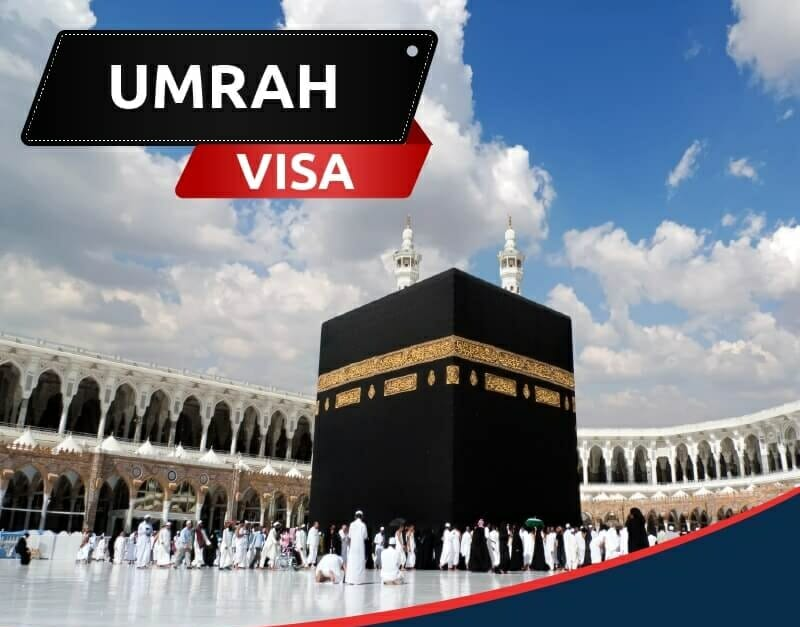
After spending over seven years in the travel industry, helping pilgrims navigate their spiritual journeys to the Holy Land, I’ve learned that the difference between a smooth visa process and a frustrating ordeal often comes down to preparation. Too many travelers approach their Umrah Visa application as a last-minute task, only to face delays, rejections, or unnecessary stress. Here’s what I’ve observed from working with hundreds of pilgrims and what you really need to know before you apply.
Understanding Your Timeline: Start Earlier Than You Think
Let me be direct: this is where most people go wrong. Many travelers believe they can secure an Umrah Visa within a week or two, and while expedited processing exists, it typically costs more and leaves no room for complications.
Realistically, plan for 3–4 weeks minimum from application to approval, even with a reputable agency like Al Kareem Travel handling your case. During peak seasons particularly Ramadan and the Hajj period processing times can stretch to six weeks or longer. If you’re traveling during these periods, apply at least two months in advance.
The reason? Saudi immigration authorities process applications in batches, and during high-volume periods, they’re simply inundated. I once worked with a client who planned their trip for Ramadan and waited until two weeks before departure to apply. We managed to expedite it, but the stress wasn’t worth the extra cost they paid.
Your Passport: The Foundation Everything Rests On
Before you even think about the Umrah Visa application, examine your passport with a critical eye. Here’s what Saudi Arabia requires:
Your passport must have at least six months of validity remaining from your intended travel date. Not from today from when you actually plan to travel. This catches people off guard constantly. I once had a traveler whose passport expired exactly when their Umrah trip was scheduled, forcing them to rush a new passport application alongside their visa.
Additionally, your passport should ideally have at least two blank pages. While technically one page might suffice, immigration officers sometimes add stamps and notes. Clean, crisp passport pages also process faster through their digital systems.
Here’s my honest take: If your passport is expiring within the next year, renew it now. The small investment in a new passport prevents months of potential headaches.
Sponsorship Requirements and Approved Partners
One of the biggest misconceptions about the Umrah Visa involves who can sponsor your application. You cannot simply apply for an Umrah Visa on your own you need an approved Saudi sponsor or travel agency. This is non-negotiable.
Work with an established agency like Al Kareem Travel, which maintains active sponsorship agreements with Saudi authorities. This matters more than people realize. I’ve seen applications rejected because pilgrims worked through unregistered or inactive sponsors, essentially requiring them to start the entire process over.
When selecting your sponsoring agency, verify their credentials directly. Ask for their sponsorship license number and request references from recent clients. The difference between working with a legitimate sponsor and a questionable one can mean the difference between a straightforward process and bureaucratic complications.
Financial Documentation: Show Your Resources
Saudi authorities want confidence that you can support yourself during your pilgrimage. This typically means providing evidence of financial capability bank statements, employment letters, or proof of sufficient funds.
The amount they’re looking for varies, but generally expect to demonstrate access to at least $2,000–$3,000. They’re not necessarily looking for a specific amount in your account on a specific date, but rather evidence of stable financial resources. Your bank statement should show consistent balance and activity rather than a sudden spike right before applying.
Employment verification carries weight here too. A letter from your employer confirming your position and income makes your application significantly stronger. If you’re self-employed or retired, bank statements become even more critical.
From my experience: I’ve never seen a legitimate visa denial solely based on finances, but insufficient documentation frequently triggers requests for additional paperwork, which delays everything. Submit comprehensive financial evidence upfront.
Medical Requirements and Health Considerations
While Saudi Arabia doesn’t require extensive vaccinations for Umrah, they do require proof of meningitis vaccination. Your Umrah Visa application should include evidence that you’ve received the ACWY meningitis vaccine at least ten days before travel.
Beyond the official requirement, I strongly recommend vaccinating against other diseases depending on your health profile particularly if you haven’t traveled to the Middle East before. Consult your healthcare provider, not Dr. Google. Spend the time on preventive health measures now rather than dealing with illness during your pilgrimage.
Religious Credentials (Sometimes)
Here’s something that surprises many people: some Saudi sponsors request confirmation of your Islamic faith before processing an Umrah Visa. The level of scrutiny varies, but you might be asked to provide a letter from your mosque or Islamic center confirming you’re a practicing Muslim.
This isn’t meant to be invasive, it’s simply verifying that the Umrah Visa is being used for its intended purpose. If you don’t have access to formal documentation, most sponsors, including Al Kareem Travel, can work with alternative verification methods.
The Application Process Itself
Once you’ve gathered everything, the actual application is straightforward but detail-sensitive. Every piece of information must match perfectly across documents: your passport name, dates of birth, and contact information need to align precisely.
I’ve seen rejections over typos and minor inconsistencies. Take time. Double-check. Then triple-check.
Digital applications have streamlined this considerably, but photo requirements remain oddly specific. Your passport-style photo must meet exact specifications background color, sizing, facial expression. Spend the few extra dollars getting a proper photo taken rather than rushing it with your phone.
Final Insights: Plan Beyond Just the Visa
One piece of advice I wish more pilgrims would take seriously: securing your Umrah Visa is just the beginning. Think about accommodation, local transportation, prayer times, and weather conditions. When you’re focused on your spiritual journey, you don’t want logistical surprises.
Work with experienced agencies that offer comprehensive support, not just visa processing. This holistic approach transforms your pilgrimage into something genuinely memorable rather than stressful.
Conclusion
The Umrah Visa process isn’t complicated, but it rewards careful preparation and attention to detail. After years of guiding pilgrims through this journey, I can tell you that most problems stem from rushing, incomplete documentation, or working with unreliable sponsors. Start early, gather comprehensive documentation, verify your sponsor’s legitimacy, and apply through established professionals like Al Kareem Travel who understand both the technical requirements and the significance of your journey.
Your pilgrimage to the Holy Land deserves the time and care you’d give any important life event. Take these factors seriously from day one, and you’ll find yourself boarding that flight with confidence rather than anxiety.
