
Efficient delivery scheduling is a critical component of successful logistics and transportation operations. Businesses today face increasing pressure to deliver products quickly while maintaining cost efficiency and meeting customer expectations. Poor scheduling can lead to missed deliveries, higher transportation costs, wasted resources, and dissatisfied customers.
As customer expectations continue to rise, organizations must develop smarter delivery planning strategies that maximize efficiency and improve operational performance. Optimized schedules not only reduce delays but also help businesses make better use of vehicles, drivers, and resources.
Modern technology, real-time data, and automation have transformed how businesses manage delivery operations. By implementing proven scheduling practices, companies can improve service quality, reduce operational costs, and create a more reliable delivery experience for customers.
Understanding the Importance of Delivery Schedule Optimization
Delivery schedule optimization involves planning and managing deliveries in a way that maximizes efficiency while minimizing delays and costs. Many organizations utilize route management software to improve scheduling accuracy and ensure that deliveries are completed in the most efficient manner possible.
Optimized scheduling helps businesses reduce travel time, improve vehicle utilization, and increase driver productivity. It also supports better resource allocation and helps organizations respond more effectively to changing delivery demands.
Efficient delivery planning contributes directly to profitability by lowering fuel consumption, reducing operational waste, and improving customer satisfaction. Businesses that prioritize scheduling optimization often gain a competitive advantage in increasingly demanding markets.
Understanding the importance of efficient delivery planning is the first step toward achieving stronger logistics performance.
Leveraging Real-Time Data for Better Planning
Real-time data has become an essential tool for modern delivery operations. Traffic conditions, weather changes, road closures, and unexpected disruptions can significantly impact delivery schedules if businesses lack visibility into current conditions.
Access to real-time information allows organizations to make informed scheduling decisions and adjust plans when necessary. Dispatchers can identify potential delays early and reroute drivers to avoid disruptions.
Real-time visibility also improves coordination between logistics teams and drivers. Accurate information enables businesses to respond quickly to challenges and maintain service reliability.
Organizations that leverage real-time data often experience fewer delays and more efficient delivery operations.
Automating Delivery Planning Processes
Manual scheduling processes can be time-consuming and prone to errors. As delivery volumes increase, manually assigning routes and coordinating deliveries becomes increasingly difficult.
Automation simplifies delivery planning by analyzing delivery requirements, available resources, and operational constraints. Automated systems can generate optimized schedules quickly and consistently.
Automation also reduces administrative workloads and ensures that scheduling decisions follow predefined business rules. This improves consistency and minimizes the risk of human error.
Businesses that automate delivery planning often achieve greater efficiency, improved accuracy, and stronger operational performance.
Prioritizing Deliveries Based on Business Needs
Not all deliveries carry the same level of urgency or importance. Businesses must establish clear priorities to ensure that critical deliveries receive appropriate attention.
High-priority orders may include time-sensitive shipments, premium customer requests, or products with strict delivery requirements. Identifying these priorities allows organizations to allocate resources more effectively.
A well-structured prioritization strategy helps businesses balance customer expectations with operational efficiency. It also reduces the risk of delays affecting key customers or important deliveries.
Organizations that prioritize deliveries strategically often improve service levels and strengthen customer relationships.
Enhancing Route Efficiency
Route efficiency plays a major role in delivery performance. Poorly planned routes can result in excessive travel distances, increased fuel consumption, and longer delivery times.
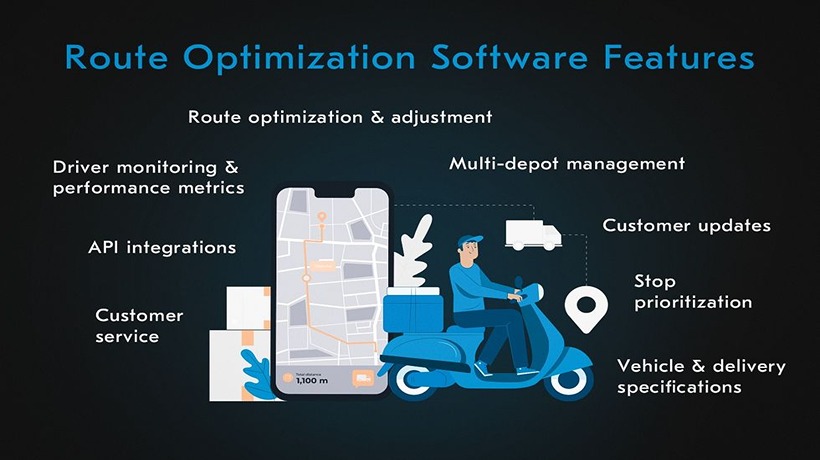
Businesses frequently rely on route management software to identify the most efficient routes and reduce unnecessary mileage. These solutions consider factors such as traffic conditions, delivery locations, vehicle capacity, and service requirements.
Optimized routing improves driver productivity by reducing travel time and enabling more deliveries to be completed within a given timeframe. It also contributes to lower transportation costs and improved sustainability.
Organizations that focus on route efficiency often achieve faster deliveries and stronger operational results.
Improving Communication Across Teams
Effective communication is essential for successful delivery operations. Dispatchers, drivers, customer service representatives, and logistics managers must work together to ensure smooth coordination.
Communication tools and centralized platforms help teams share updates, monitor progress, and respond to issues in real time. Drivers can receive schedule changes instantly, while dispatchers gain visibility into delivery status.
Improved communication reduces misunderstandings and helps businesses address challenges before they impact customers. It also increases transparency across the organization.
Businesses that strengthen communication processes often experience fewer disruptions and greater delivery reliability.
Utilizing Analytics to Improve Scheduling Performance
Analytics provides valuable insights that help businesses continuously improve delivery scheduling. By analyzing operational data, organizations can identify inefficiencies, monitor performance, and refine planning strategies.
Key performance indicators such as delivery times, fuel usage, route efficiency, and on-time delivery rates provide valuable information for optimization efforts.
Analytics can reveal recurring bottlenecks, highlight opportunities for improvement, and support more informed decision-making. Businesses gain a better understanding of what drives successful delivery outcomes.
Organizations that leverage analytics effectively can optimize future schedules and improve overall logistics performance.
Strengthening Customer Satisfaction Through Reliable Deliveries
Customer satisfaction is directly influenced by delivery performance. Customers expect accurate delivery windows, timely service, and reliable communication throughout the delivery process.
Optimized scheduling helps businesses meet these expectations by reducing delays and improving consistency. Reliable deliveries create positive customer experiences and strengthen trust.
Customers are more likely to remain loyal to businesses that consistently fulfill commitments and provide dependable service. Improved delivery reliability also reduces customer complaints and support requests.
Businesses that prioritize delivery performance often experience stronger customer retention and improved brand reputation.
Future Trends in Delivery Schedule Optimization
Emerging technologies are transforming how businesses manage delivery operations. Artificial intelligence, predictive analytics, machine learning, and advanced automation are creating new opportunities for optimization.
AI-powered systems can analyze historical and real-time data to predict delays, recommend scheduling adjustments, and improve route planning. Predictive analytics enables organizations to anticipate operational challenges before they occur.
As technology continues to evolve, many businesses are investing in route management software that incorporates advanced intelligence and automation capabilities.
Organizations that embrace innovation will gain stronger competitive advantages and improve long-term logistics performance.
Conclusion
Optimizing delivery schedules is essential for reducing operational costs, improving efficiency, and enhancing customer satisfaction. Through real-time data, automation, prioritization strategies, efficient routing, communication improvements, and analytics, businesses can create more reliable and productive delivery operations.
Modern technology provides organizations with the tools needed to manage increasingly complex logistics environments. By continuously refining scheduling processes and leveraging data-driven insights, businesses can improve delivery performance and strengthen overall operational effectiveness.
Companies that invest in delivery optimization will be better positioned to meet customer expectations, reduce transportation expenses, and achieve sustainable growth in a competitive marketplace.


