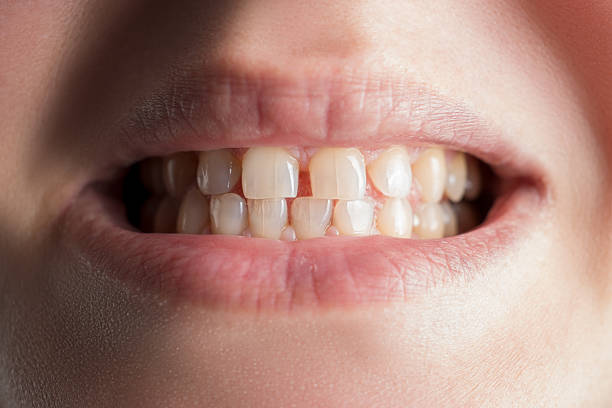
A tooth fracture is one of the most frequently treated dental conditions and can affect people of all ages. Whether the damage occurs after an accident or develops gradually due to constant pressure on the teeth, immediate dental care is important. A small crack may seem harmless, but it can spread deeper into the tooth over time and lead to pain or infection. Choosing Tooth fracture treatment in Pakistan gives patients access to modern restorative procedures that preserve natural teeth and restore normal chewing function.
Understanding Tooth Fractures
Teeth are protected by strong enamel, but they are not immune to damage. Repeated pressure, trauma, or weakened tooth structure can create cracks that become larger with everyday use.
The severity of a fracture depends on:
- The depth of the crack
- The location of the damage
- The strength of the remaining tooth
- Whether the dental pulp is involved
- The patient’s overall oral health
Early diagnosis significantly improves the chances of saving the affected tooth.
Common Causes of Tooth Damage
Several situations can result in fractured teeth.
These include:
- Biting very hard foods
- Facial injuries during sports
- Car or motorcycle accidents
- Teeth grinding while sleeping
- Untreated dental decay
- Large restorations weakening the tooth
- Using teeth as tools
- Sudden temperature changes after weakened enamel
Understanding these causes encourages better preventive care.
Symptoms That Require Professional Evaluation
Many fractures produce symptoms only when pressure is applied to the tooth.
Patients commonly notice:
- Pain during chewing
- Sharp discomfort when biting
- Temperature sensitivity
- Visible cracks
- Chipped enamel
- Swelling near the affected tooth
- Difficulty chewing certain foods
These symptoms should never be ignored because they often indicate structural damage.
Clinical Examination and Diagnosis
A detailed dental assessment is necessary before treatment begins.
Dentists typically perform:
- Visual examination
- Dental probing
- Bite analysis
- Digital X-rays
- Intraoral imaging
- Cone Beam CT scanning when necessary
Modern diagnostic tools allow even small hidden fractures to be detected accurately.
Modern Treatment Options
The treatment approach depends on the type and extent of the fracture.
Composite Bonding
Small chips and superficial fractures are restored using tooth-colored composite resin that blends naturally with surrounding teeth.
Dental Crowns
Crowns completely cover weakened teeth, restoring their strength and protecting them against further damage.
Root Canal Therapy
If bacteria have reached the pulp, root canal treatment removes infected tissue while preserving the remaining tooth structure.
Porcelain Veneers
Minor fractures affecting front teeth can often be corrected with aesthetically pleasing porcelain veneers.
Tooth Extraction
Extraction is considered only when the fracture extends too deeply for successful restoration.
Recovery Following Treatment
Healing is generally straightforward when patients follow professional advice.
Recommended aftercare includes:
- Choosing soft foods for several days
- Avoiding extremely hard foods
- Maintaining excellent oral hygiene
- Using prescribed medications if necessary
- Attending review appointments
- Protecting teeth with a night guard when appropriate
Proper aftercare increases the longevity of dental restorations.
Long-Term Benefits of Restoring a Fractured Tooth
Repairing a fractured tooth offers more than cosmetic improvement.
Patients benefit from:
- Comfortable chewing
- Better speech
- Reduced sensitivity
- Lower infection risk
- Improved smile appearance
- Preservation of natural teeth
- Greater self-confidence
Modern restorative dentistry focuses on restoring both function and aesthetics.
Preventive Measures
Although accidents cannot always be prevented, healthy habits reduce the likelihood of future fractures.
Dentists advise patients to:
- Wear mouthguards during sports
- Avoid chewing hard objects
- Treat cavities promptly
- Replace damaged fillings
- Control teeth grinding
- Maintain regular dental examinations
- Follow good oral hygiene practices
These simple habits contribute to stronger, healthier teeth throughout life.
Why Choose Professional Dental Care?
Professional treatment ensures accurate diagnosis and individualized care.
Experienced dental professionals provide:
- Comprehensive examinations
- Advanced restorative techniques
- High-quality materials
- Personalized treatment planning
- Comfortable patient care
- Long-term monitoring
Receiving treatment from qualified professionals improves both immediate and long-term outcomes.
Final Thoughts
A fractured tooth should always be evaluated promptly because early treatment offers the greatest opportunity to preserve natural teeth and prevent complications. Modern dental techniques make it possible to restore strength, function, and appearance using safe and effective procedures. If you experience pain, sensitivity, or notice a crack in your tooth, seeking professional care without delay is the best decision for your oral health. For expert restorative dentistry and patient-centered care, trust