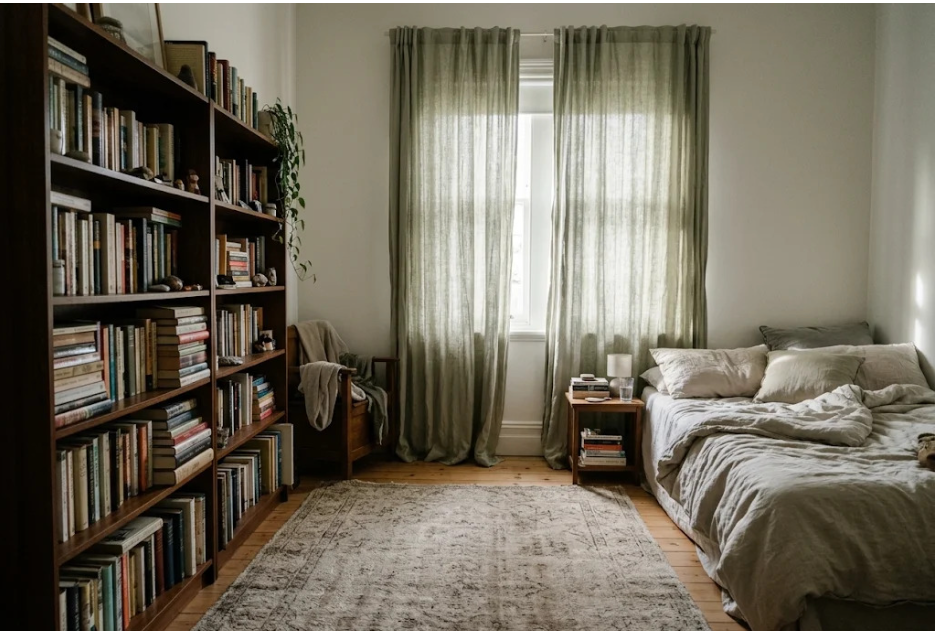
Stepping into college or starting a new academic year is a major milestone for students across South Louisiana. Whether you are moving into a compact campus dorm room, sharing a student apartment with roommates, or setting up a dedicated study space in a parent’s home, transitioning into higher education requires a sharp focus on organization. Student housing footprints are famously small, and without a deliberate strategy, a living space can quickly become cluttered with textbooks, seasonal gear, and daily essentials.
Managing a student living space in the Gulf Coast region involves navigating more than just tight layouts; you also have to consider the intense local climate. Leaving your extra belongings in an uninsulated space or packing things away carelessly can quickly ruin expensive electronics, delicate textbooks, and school wardrobe pieces.
This practical guide provides a complete roadmap for students looking to maximize their square footage. By mastering smart space-saving techniques, organizing your study zones efficiently, and utilizing local storage resources, you can build a stress-free environment that allows you to focus on your academic success.
The Core Challenges of Student Housing Layouts
To conquer small-space organization, it helps to understand the architectural limitations common to student housing options across the region.
Minimal Built-In Storage Footprints
Most traditional dorm rooms and student apartments provide only basic furniture: a twin bed, a small desk, and a narrow closet. These spaces are rarely designed to hold a student’s full year of belongings, meaning you must think creatively about vertical space and hidden storage zones to keep your room organized.
Multi-Functional Spatial Demands
Unlike a standard home where rooms serve single purposes, a student’s room must act as a bedroom, an office, a social living room, and sometimes a kitchen all at once. Balancing these conflicting needs requires furniture and layouts that can adapt quickly throughout your daily routine.
High-Value Academic Investments
Students move to campus with an array of sensitive, expensive assets. Laptops, tablets, desktop monitors, reference textbooks, and professional interview attire represent a significant financial investment. Protecting these items from physical clutter and environmental wear is crucial for safeguarding your academic tools.
The Strategic Student Sorting and Packing Strategy
Before packing up your vehicle for move-in day, use a structured sorting framework to ensure you only bring items that will fit comfortably into your new layout.
- The Academic Core: Textbooks, reference guides, laptops, charging stations, and essential desk supplies should be packed together in clearly labeled, heavy-duty bins so they can be set up immediately.
- The Minimalist Wardrobe: Bring only the clothes you will need for the current season. South Louisiana weather stays warm well into the fall semester, so leave heavy winter coats and bulky cold-weather gear behind until the mid-semester break.
- The Daily Living Essentials: Limit your kitchen gear to a few multi-use items, such as a microwave-safe bowl, a travel mug, a set of utensils, and a compact water filter pitcher.
- The Seasonal Stash: Holiday decorations, tailgating chairs, specialized sports gear, and bulky luggage should be separated out, as these items are rarely used and can quickly crowd a small room.
Smart Space-Saving Techniques for Compact Rooms
Maximizing a small room relies on utilizing hidden areas and expanding your vertical storage options.
Maximizing the Under-Bed Void
The space directly beneath your bed is one of the most valuable storage zones in a small room. Use sturdy bed risers to elevate your frame a few extra inches off the floor. This creates a perfect clearance zone for sliding long, low-profile plastic storage bins underneath, keeping extra linens, out-of-season shoes, and cleaning supplies hidden completely out of sight.
Vertical Wall and Door Organization
When floor space is limited, look up. Hang an over-the-door organizer on your closet or bathroom door to hold shoes, toiletries, or snacks. Use removable adhesive hooks on the walls to hang up your backpack, hats, and keys, keeping your desk and floor clear of daily clutter.
Desktop Efficiency and Cable Management
A clean desk promotes a focused mind. Use a raised monitor stand to clear off valuable desk space, allowing you to slip your keyboard underneath when you need room for reading physical textbooks. Group your charging cables together using basic hook-and-loop straps to prevent tangles behind your study zone.
Managing Student Transitions and Seasonal Staging
The student lifestyle is highly transitional, often requiring moves between dorms, apartments, and parental homes at the end of each semester. Trying to pack and haul all of your furniture, electronics, and boxed textbooks back home for summer break can be incredibly exhausting and logistically difficult.
Using a temporary off-site staging space lets you store your non-essential belongings locally between semesters. This removes the stress from moving week, allowing you to focus on completing your final exams instead of hauling heavy boxes across the state.
Protecting Student Gear from Climatic Wear
When selecting a staging zone for your student belongings during a break, the intense regional environment must be considered. In South Louisiana, leaving textbooks, musical instruments, upholstered futons, or computing equipment in a standard non-insulated storage shed or a concrete garage can lead to severe damage.
The extreme summer heat can warp plastics and break down electronic components, while high humidity levels cause book pages to curl and create a perfect breeding ground for mold on fabrics. To keep your valuable school gear fully protected, it is highly recommended to secure space in a professional, climate-controlled facility.
Navigating Campus Driving Corridors
Logistics and convenience are key factors when planning your move between semesters. Navigating a packed car or a small rental truck through heavy student traffic along major regional thoroughfares like Ambassador Caffery Parkway or Johnston Street can be slow and frustrating. Selecting a staging location near key regional transit loops makes transporting your items much simpler.
For students balancing life and academics across the hub city and nearby communities, picking a storage location that fits your transit route can save valuable travel time:
- Broussard, LA: Students commuting from or moving toward this fast-growing residential area can use facilities located near the southern loops of Highway 90 or the Ambassador Caffery extension for quick, easy drop-offs.
- Youngsville, LA: If your housing or family home is situated in this southern sector, picking a facility with straightforward regional access keeps your moving route simple.
- Scott, LA: Those moving items out toward this western radial can avoid central city bottlenecks by utilizing corridors close to Interstate 10 or Highway 90 West.
- Carencro, LA: If you are living or commuting near this northern community, choosing an option close to the Evangeline Thruway corridor offers a direct route for your moving vehicles.
- Duson, LA: Families and students navigating a transition in this western sector benefit from a storage staging zone that circumvents central city rush hours.
- Milton, LA: Commuting students moving through this area can easily find centralized facilities to hold their household goods securely between semesters.
- Maurice, LA: Managing your student storage near this southern corridor is highly efficient when utilizing a nearby facility along Highway 167 or Johnston Street.
Structuring your moving route around these regional hubs helps keep your transition moving smoothly and efficiently.
Selecting Your Student Storage Infrastructure
Executing a smooth campus transition requires balancing reliable transport, clear timelines, and trusted storage options. If you are preparing for an upcoming semester move or want to check available unit sizes, exploring the Save It Self Storage Homepage provides an excellent starting point for finding clean, accessible units designed for student transitions.
Choosing Your Environment
For standard, durable items like plastic laundry baskets, outdoor sports gear, or metal bed frames, a conventional drive-up unit offers excellent utility and convenience. However, for your sensitive academic assets, utilizing premium Climate Controlled Storage Services is an absolute necessity to prevent mold, mildew, and heat damage.
Investing in a facility that manages temperature and actively mitigates humidity safeguards your valuable electronics, textbooks, and wardrobe, keeping your belongings in perfect condition until the new semester begins.
Frequently Asked Questions (FAQs)
What is the best way to pack and store expensive textbooks over the summer?
To protect expensive textbooks, wrap them in clean packing paper and place them flat inside sturdy, small-to-medium-sized plastic storage totes. Storing them flat prevents the bindings from warping, and using plastic containers rather than cardboard boxes keeps airborne moisture and dust away from the pages.
How can I make a shared student apartment fridge more organized?
Use clear, stackable plastic bins to divide the shelves among your roommates. Label each bin clearly with your name using a permanent marker, and designate specific shelves for shared items like condiments or milk to maximize interior space and avoid mix-ups.
Are month-to-month storage leases available for short summer breaks?
Yes, premium local storage facilities offer flexible month-to-month leasing options. This is ideal for students who only need a secure space for the three months of summer break, allowing you to avoid long-term contracts and pay only for the exact window of time you need.
What should I look for in terms of security when choosing a storage facility?
Prioritize facilities that offer layered digital security measures. Look for features like fully gated perimeters with individual electronic access codes, well-lit driveways that eliminate dark spots, and round-the-clock digital video recording to ensure your high-value electronics and gear stay secure.
Can I share a storage unit with a roommate to save money?
Sharing a storage unit with a trusted roommate is a highly effective way to split costs. If you choose this option, use separate sides of the unit for each person’s belongings, keep clear paths open down the middle, and ensure both names are listed or authorized with the facility office for gate access.
Conclusion: Setting the Stage for a Successful Academic Year
Optimizing your student living space is an investment in your academic success and daily peace of mind. By breaking down your move into manageable phases—decluttering early, utilizing hidden under-bed storage, and using local staging resources between semesters—you remove the stress from campus transitions.
As you arrange your organized study zone and neat layout, you will find that a clean, streamlined environment makes it much easier to focus on your coursework. Embrace a structured approach to your space management, and enjoy a productive, successful academic year ahead.