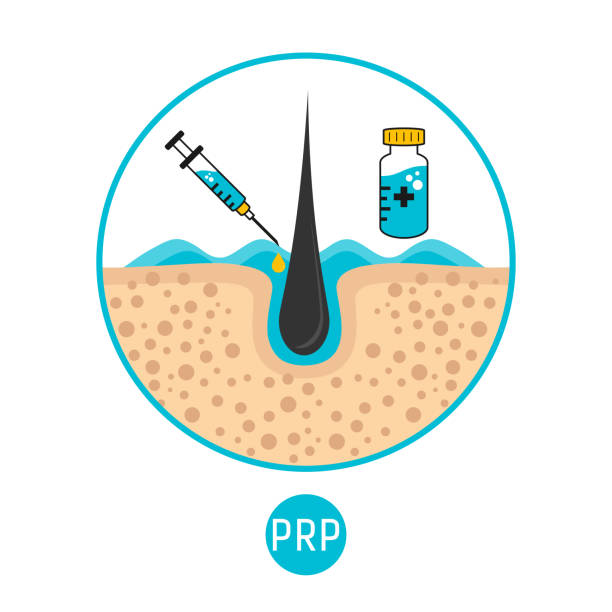
Hair loss is rarely caused by a single factor. In most cases, it develops due to a combination of genetics, lifestyle, stress levels, and hormonal changes. Even when undergoing regenerative procedures like PRP Hair Treatment in Islamabad, internal body conditions can significantly influence how well the treatment works.
Understanding how stress and hormones affect hair health can help patients improve results and maintain long-term growth.
The Connection Between Stress and Hair Loss
Stress is one of the most common triggers of temporary and long-term hair shedding.
When stress levels rise, the body may:
- Disrupt normal hair growth cycles.
- Push follicles into a resting phase.
- Increase inflammation in the scalp.
- Reduce nutrient delivery to hair roots.
These changes can lead to noticeable shedding over time.
Types of Stress-Related Hair Loss
Stress can affect hair in different ways.
Telogen Effluvium
A condition where more hair enters the resting phase, causing increased shedding.
Trichotillomania
A psychological condition involving repeated hair pulling.
Chronic Stress Effects
Long-term stress may gradually weaken follicle function.
Understanding the cause helps guide treatment choices.
How Hormones Influence Hair Growth
Hormones play a key role in regulating hair growth cycles.
Imbalances may affect:
- Hair thickness.
- Growth speed.
- Shedding rate.
- Follicle strength.
Even small hormonal changes can significantly impact hair health.
Androgen Hormones and Hair Loss
Androgens are hormones that can contribute to genetic hair loss.
They may:
- Shrink hair follicles over time.
- Shorten growth phases.
- Produce thinner hair strands.
This process is common in both men and women.
Hormonal Changes in Women
Women may experience hair changes due to:
- Pregnancy.
- Menopause.
- Thyroid disorders.
- Polycystic ovary syndrome (PCOS).
These changes often lead to temporary or progressive thinning.
How PRP Interacts With Stress and Hormonal Hair Loss
PRP therapy does not directly change hormone levels, but it helps counter their effects.
It works by:
- Stimulating weakened follicles.
- Improving blood circulation.
- Supporting tissue regeneration.
- Enhancing scalp health.
This helps follicles perform better even under hormonal or stress-related influence.
Why Stress Management Improves PRP Results
Reducing stress can significantly improve treatment outcomes.
Lower stress levels help:
- Normalize hair growth cycles.
- Reduce inflammation.
- Improve nutrient absorption.
- Support follicle recovery.
Stress control and PRP work best together.
Lifestyle Habits That Support Hormonal Balance
Healthy habits can improve both hormone regulation and hair health.
Helpful practices include:
- Regular exercise.
- Balanced nutrition.
- Adequate sleep.
- Limiting caffeine and processed foods.
- Staying physically active.
These habits create a healthier environment for hair growth.
Signs Hormones May Be Affecting Your Hair
Hormonal imbalance-related hair loss may show:
- Sudden shedding.
- Thinning at the crown.
- Changes in hair texture.
- Irregular hair growth patterns.
A medical evaluation may be needed for confirmation.
Why PRP Works Better in Stable Internal Conditions
PRP relies on follicle responsiveness.
When the body is balanced:
- Follicles respond more effectively.
- Growth factors work efficiently.
- Hair cycles normalize faster.
Uncontrolled stress or hormones may slow progress.
Combining Medical Care With PRP
In some cases, PRP is combined with other treatments to address underlying causes.
These may include:
- Hormonal therapy (if prescribed).
- Nutritional supplements.
- Stress management programs.
- Scalp treatments.
A combined approach often improves results.
Importance of Early Intervention
Addressing stress and hormonal imbalance early can:
- Prevent long-term follicle damage.
- Improve PRP effectiveness.
- Reduce future hair loss risk.
- Preserve natural density.
Early action often leads to better outcomes.
What Patients Should Expect
When stress or hormones are involved, results may still occur but can be gradual.
Patients may notice:
- Reduced shedding first.
- Improved hair strength.
- Gradual density improvement.
- Better scalp condition.
Consistency is key.
Long-Term Hair Health Strategy
Successful hair restoration often involves more than one treatment approach.
A long-term plan may include:
- PRP sessions.
- Lifestyle changes.
- Medical evaluation.
- Ongoing maintenance.
This ensures better stability and lasting results.
Conclusion
Stress and hormonal imbalances play a major role in hair thinning and shedding, often influencing how effectively PRP therapy works. While PRP helps stimulate and strengthen hair follicles, combining it with stress management and hormonal balance can significantly improve results. A holistic approach ensures healthier, stronger, and more stable hair growth over time. For expert consultation and advanced regenerative hair restoration solutions, visit Hair Transplant Islamabad and explore personalized treatments designed to support long-term hair health.