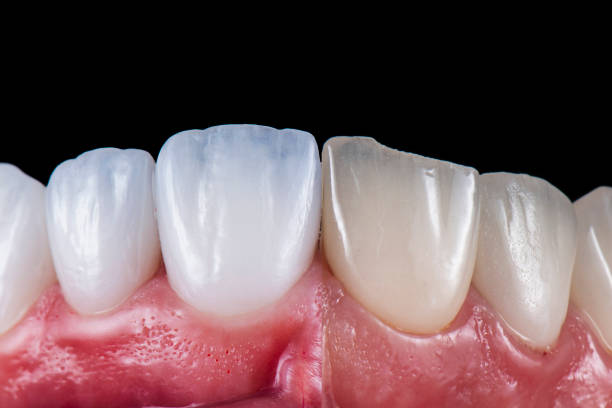
Getting veneers is not just a one-day procedure—it is a process that continues even after the treatment is completed. Patients who choose Dental veneers in Islamabad Pakistan often want to know what happens after placement, how the mouth adjusts, and what long-term changes they should expect.
First 24 Hours After Veneer Placement
The initial day is mainly about adjustment and comfort.
Mild Sensitivity
Some patients may feel slight sensitivity to hot or cold foods.
Awareness of New Teeth
The tongue and lips may feel the difference in tooth shape.
Immediate Smile Change
Most patients notice a visible improvement in their smile instantly.
First Week After Treatment
This is the adjustment phase.
Eating Adjustment
Soft foods are recommended initially to avoid pressure on veneers.
Speech Adaptation
Some patients may notice slight changes in pronunciation that improve quickly.
Comfort Improvement
Sensitivity usually reduces within a few days.
First Month After Veneers
By this stage, most patients fully adapt.
Normal Eating Habits Return
Patients can resume normal diet with care.
Natural Feel
Veneers start feeling like natural teeth.
Confidence Boost
Smile confidence increases significantly during this stage.
First 6 Months After Veneers
This phase focuses on maintenance awareness.
Oral Hygiene Routine Becomes Key
Proper brushing and flossing become essential habits.
Routine Checkup Importance
Dentist follow-ups ensure everything remains stable.
Long-Term Stability
Well-placed veneers remain strong and functional.
One Year After Veneers
At this stage, patients begin to see long-term results.
Color Stability
Veneers maintain brightness compared to natural teeth.
Bite Comfort
Properly designed veneers maintain bite balance.
Habit Evaluation
Patients often adjust harmful habits like nail biting or teeth grinding.
Long-Term (3–10 Years)
This is where maintenance matters most.
Durability Performance
High-quality veneers continue performing well with proper care.
Possible Minor Repairs
Small chips (if any) can be polished or repaired depending on material.
Gum Health Monitoring
Healthy gums are essential for long-lasting results.
Factors That Affect Long-Term Results
Oral Hygiene
Poor cleaning habits can reduce lifespan.
Diet Choices
Frequent exposure to staining or hard foods can affect longevity.
Teeth Grinding
Bruxism is one of the biggest risks for veneer damage.
Dental Checkups
Regular visits help prevent complications.
Signs That Veneers Need Attention
Rough Edges
May indicate wear over time.
Gum Changes
Receding gums may expose veneer margins.
Chipping or Cracks
Rare but possible with heavy pressure.
Discomfort While Biting
Should always be checked by a dentist.
How to Extend Veneer Lifespan
- Brush twice daily with soft toothbrush
- Use non-abrasive toothpaste
- Avoid biting hard objects
- Wear night guard if grinding teeth
- Visit dentist regularly
Final Thoughts
Dental veneers are not just a cosmetic procedure—they are a long-term dental investment that requires care and awareness over time. Understanding what happens after treatment helps patients maintain better results and avoid complications. With proper maintenance and regular dental visits, veneers can remain natural-looking and functional for many years. For expert cosmetic care and personalized smile solutions, visit Dental Clinic Pakistan.