
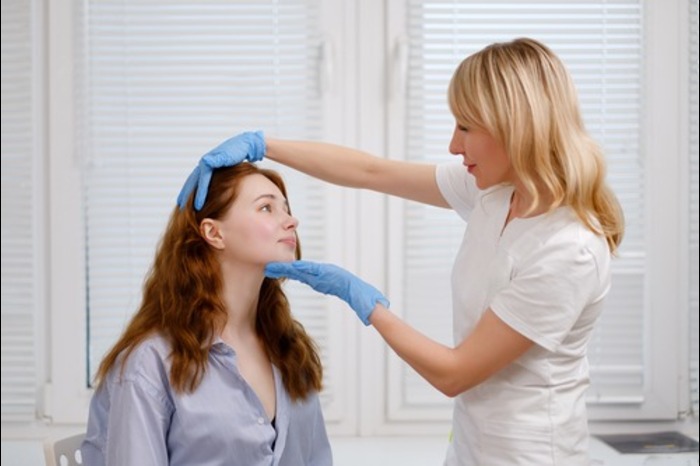
The decision to undergo a rhytidectomy, commonly known as a facelift, is a powerful investment in one’s self-confidence and appearance. Modern surgical techniques offer remarkably natural, long-lasting results that can turn back the clock by a decade or more. However, the path to achieving that refreshed, youthful look does not end when you leave the operating room. In fact, the first few days following surgery are critical in determining both the speed of your healing and the ultimate aesthetic outcome.
While a surgeon’s skill lays the foundation, dedicated nursing care for facelift recovery is what ensures the structure heals beautifully. Facial skin and underlying tissues are incredibly delicate, boasting a complex network of nerves and blood vessels. Managing this anatomy post-operatively requires an expert touch that goes far beyond what well-meaning friends or family members can typically provide.
The Delicate Nature of Facelift Post-Operative Healing
Unlike body contouring procedures where incisions can often be concealed beneath loose clothing, a facelift involves the most visible part of your identity. The early stages of recovery can be visually intimidating and physically uncomfortable. Patients routinely experience a combination of tight swelling, deep bruising, numbness, and mild to moderate pain.
The first 48 to 72 hours represent the peak of the body’s inflammatory response. During this window, specialized clinical monitoring is crucial. The primary goal of post-operative care is not just to maintain comfort, but to actively prevent complications that could jeopardize your surgical results or health.
Understanding the Risks: Why Clinical Oversight Matters
While facelifts are generally safe, elective procedures carry inherent risks that require professional vigilance:
- Hematoma Formation: This is the collection of blood under the skin, occurring in roughly 1% to 4% of facelift patients. It typically presents within the first 24 hours as sudden, asymmetrical swelling and severe pain. If left unmanaged, a hematoma can compromise skin flap viability. A trained nurse knows exactly how to spot the early warning signs and coordinate with your surgeon immediately.
- Skin Flap Ischemia: Adequate blood flow to the repositioned facial tissue is vital. Excessive tension, improper bandaging, or underlying fluid collections can restrict circulation, potentially leading to tissue damage or delayed healing.
- Asymmetry and Nerve Monitoring: Temporary weakness in certain facial muscles can occur due to local anesthesia or tissue manipulation. A professional nurse performs routine cranial nerve checks to monitor your progress and provide reassurance.
Key Pillars of Professional Nursing Care After a Facelift
Hiring a private duty nurse brings an intensive, clinical protocol directly into the comfort of your home or recovery suite. Here is how specialized nursing care transforms the recovery experience:
1. Advanced Positioning and Swelling Management
Edema (swelling) is the enemy of comfortable healing. To minimize fluid retention in the facial tissues, patients must keep their head elevated at a precise angle—usually around 30 to 45 degrees—even while sleeping.
A recovery nurse ensures your environment is optimized for this positioning. They manage the application of cold compresses according to your surgeon’s specific timelines. Applying cold improperly or directly to numb skin can cause tissue damage, a risk that professional clinicians are trained to avoid.
2. Pain and Anxiety Management
Managing pain after facial surgery requires a delicate balance. Many traditional pain medications can cause nausea or constipation, both of which increase blood pressure. A spike in blood pressure (hypertension) can cause bleeding under the delicate facial flaps, significantly increasing the risk of hematoma.
An experienced nurse monitors your vitals, administers medications precisely on schedule to prevent “pain breakthroughs,” and keeps you calm. Minimizing anxiety is a powerful, non-pharmacological way to keep blood pressure stable and stable blood pressure leads to a safer recovery.
3. Meticulous Incision and Drainage Care
Facelift incisions typically track along the natural contours of the ear, extending into the hairline and sometimes under the chin. Keeping these lines clean, dry, and free of crusting is essential for minimizing long-term scarring.
If your surgeon utilizes small surgical drains behind the ears to prevent fluid buildup, a nurse will manage them seamlessly—measuring the output, maintaining the vacuum suction, and ensuring sterile technique during handling to prevent infection.
4. Nutritional and Hydration Support
Anesthesia can leave patients feeling nauseous, making it difficult to maintain the hydration required for tissue repair. A nurse can assist in reintroducing light, nutrient-dense fluids and soft foods that don’t require extensive chewing, protecting the newly tightened jawline and facial muscles from unnecessary strain.
The Psychological Transition: Overcoming the “Post-Op Blues”
It is incredibly common for facelift patients to experience a temporary emotional dip roughly three to five days after surgery. When you look in the mirror and see significant swelling, asymmetry, and bruising, it is easy for doubt to set in. Patients often wonder, “Did I make the right choice?”
Having a reassuring, professional presence changes the entire dynamic of this psychological hurdle. A specialized nurse can look at your progression and confidently tell you, “This is exactly where you are supposed to be on day three.” This emotional anchor reduces stress, which in turn lowers cortisol levels and promotes a more efficient healing environment.
For individuals seeking this seamless blend of high-level clinical expertise and empathetic personal support, utilizing a dedicated service like Plastic Surgery Nurse provides an ideal solution. By arranging for qualified professionals who specialize exclusively in aesthetic post-operative care, patients can transition from the surgical chair to home recovery with absolute confidence that their safety and privacy are fully protected.
What to Expect: A General Timeline of Supervised Recovery
While every surgeon operates with a tailored protocol, a typical recovery timeline under the care of a professional nurse often looks like this:
| Timeline | Focus of Nursing Care | What the Patient Experiences |
|---|---|---|
| Days 1 – 2 | Continuous vitals monitoring, hematoma surveillance, strict head elevation, and scheduled pain management. | Maximum swelling, tightness around the jaw and neck, mild oozing from incision lines. |
| Days 3 – 5 | Assisted hair washing (if approved), gentle incision cleansing, transitioning to mild oral analgesics, and emotional support. | Swelling begins to stabilize; bruising may change color (turning yellowish-green) and migrate down the neck. |
| Days 6 – 7 | Assessment of wound healing, preparation for initial suture removal by the surgeon, and mobility encouragement. | Tightness remains, but acute discomfort subsides significantly. Energy levels begin to return. |
Export to Sheets
Preparing Your Recovery Environment
To maximize the benefits of private nursing care, it helps to prepare your recovery space before your surgery date. Consider the following adjustments to ensure a smooth transition:
- Button-Down Clothing: Stock your wardrobe exclusively with tops that button or zip up the front. You must absolutely avoid pulling any clothing over your head to protect your ears and facial incisions.
- Surgical Comfort Pillows: Invest in a wedge pillow or a structured boyfriend pillow to keep your torso and head elevated comfortably throughout the night.
- Hydration Stations: Keep a supply of bendable straws and insulated cups nearby. Drinking without tilting your head back excessively helps protect the integrity of neck lifts and lower facelift sutures.
Protecting Your Investment
A facelift is a masterpiece of medical artistry and a substantial financial and emotional commitment. The final result depends just as much on how the tissues mend during the first week as it does on the accuracy of the incisions.
By prioritizing specialized nursing care during your facelift recovery, you remove the burden of guesswork. You ensure that every fluctuation in swelling is monitored, every dose of medication is perfectly timed, and every incision is kept spotlessly clean. Ultimately, professional aftercare is the ultimate insurance policy for your new look, allowing you to rest, heal, and step into your rejuvenated self with complete peace of mind.


