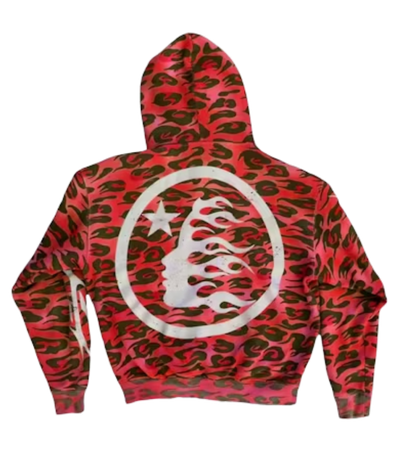
Hellstar hoodies have become a noticeable part of modern streetwear culture, known for their graphic-driven aesthetics, heavy fabric feel, and strong connection to urban fashion trends. While many people are drawn to the visual appeal first, the real value of these hoodies often comes from the construction, fabric selection, and attention to detail in production.
This guide breaks down the different Hellstar hoodie styles and materials in a practical way, focusing on how they are typically made, what sets each type apart, and what buyers should understand before choosing one. The goal is to provide clear, experience-based insight that helps readers make informed decisions rather than relying on surface-level impressions.
Understanding the Hellstar Hoodie Identity
Hellstar hoodies are widely recognized in the streetwear scene for their graphic-heavy approach and expressive visual themes. Instead of minimal branding,
https://officialhellstaar.com/
often rely on strong prints, symbolic artwork, and statement visuals that connect with music culture and underground fashion movements.
From a production standpoint, hoodies in this category are generally designed with durability and structure in mind. Many pieces lean toward heavyweight fabric, which gives them a dense feel and a more structured silhouette compared to lightweight casual wear.
The appeal is not just visual—it is also about how the garment feels during wear. The combination of fabric thickness, stitching quality, and print application plays a major role in the overall experience.
Common Hellstar Hoodie Styles
Hellstar hoodies are not limited to one single design approach. Instead, they come in several variations that reflect different streetwear needs and fashion preferences.
1. Pullover Hoodies
Pullover hoodies are one of the most common styles in the Hellstar lineup. They typically feature:
- A classic kangaroo pocket
- Adjustable drawstring hood
- Ribbed cuffs and hem
- Front or back graphic prints
This style is preferred for its simple structure and everyday usability. The absence of zippers also allows for a cleaner front surface, which gives more space for artwork or branding elements.
Pullover versions often feel heavier due to uninterrupted fabric panels, making them a frequent choice for colder weather or layered outfits.
2. Zip-Up Hoodies
Zip-up hoodies offer more flexibility in wear. They usually include:
- Full front zipper closure
- Split pocket design
- Lightweight or midweight fabric options
- Chest or sleeve graphics in some variations
This style allows for adjustable layering, making it easier to wear in changing temperatures. Zip-up hoodies also tend to show different design placements, since the zipper divides the front panel.
From a construction point of view, zip-up hoodies require reinforced stitching along the zipper line to maintain durability over time.
3. Oversized Fit Hoodies
Oversized hoodies are a major part of modern streetwear and are commonly associated with Hellstar releases. These hoodies feature:
- Dropped shoulders
- Wider body fit
- Longer sleeves
- Relaxed silhouette
The oversized fit is not only about appearance but also comfort and movement. The extra fabric allows for layering underneath and creates a loose drape that many streetwear fans prefer.
Manufacturers usually adjust pattern grading for oversized hoodies, ensuring proportions remain balanced rather than simply increasing size.
4. Graphic Heavy Hoodies
One of the most recognizable categories includes hoodies dominated by large graphic prints. These designs often extend across the chest, back, or sleeves.
Common print methods include:
- Screen printing
- Puff print for raised texture
- Digital printing for detailed artwork
Graphic-heavy hoodies require careful fabric selection because print adhesion must remain stable after washing. This is why thicker cotton bases are commonly used.
Materials Used in Hellstar Hoodies
Material selection is one of the most important factors influencing hoodie quality. Hellstar hoodies are typically associated with premium streetwear fabric standards, which focus on structure, weight, and durability.
1. Cotton Fleece
Cotton fleece is one of the most widely used materials in hoodie production. It is known for:
- Soft inner lining
- Thick outer surface
- Good heat retention
- Long-term durability
Most heavyweight hoodies rely on brushed fleece on the inside, which creates a comfortable texture against the skin. The outer surface is usually tightly knitted to support printed designs.
The density of fleece is often measured in GSM (grams per square meter), and higher GSM generally indicates a heavier and more structured hoodie.
2. French Terry Cotton
French terry is another common material used in streetwear hoodies. It has:
- Loop-backed interior (less fuzzy than fleece)
- Lighter weight compared to fleece
- Better breathability
- Smooth exterior surface
This fabric is often used in midweight hoodies or pieces designed for year-round wear. While it is not as warm as fleece, it offers better airflow and flexibility.
3. Cotton-Polyester Blends
Blended fabrics are frequently used to balance comfort and durability. A cotton-poly blend typically provides:
- Reduced shrinkage after washing
- Improved shape retention
- Faster drying time
- Increased resistance to wear
The polyester component strengthens the fabric, while cotton maintains softness. Many modern hoodies rely on this blend for consistency in fit over time.
4. Heavyweight Fabric Construction
A defining feature in many Hellstar hoodies is heavyweight construction. These hoodies often use thicker yarns and denser knitting techniques.
Benefits include:
- Structured drape
- Enhanced warmth
- Stronger print surface
- Long-lasting shape retention
Heavyweight hoodies are generally preferred in streetwear because they maintain their form even after repeated use.
Printing and Dyeing Techniques
The visual identity of Hellstar hoodies depends heavily on print and dye quality. Different techniques are used depending on the design complexity.
Screen Printing
Screen printing is widely used for bold graphics. It involves layering ink through a mesh stencil, producing:
- Strong color saturation
- Long-lasting prints
- Slight texture on fabric
This method is ideal for simple, high-impact designs.
Puff Print
Puff printing creates a raised effect by using heat-activated ink. It expands during curing, giving:
- 3D texture
- Tactile surface feel
- Enhanced visual depth
This technique is often used for logos or accent details.
Garment Dyeing
Some hoodies undergo garment dyeing after construction. This process results in:
- Washed color appearance
- Slight variations in tone
- Softer fabric feel
Garment dyeing helps achieve a worn-in aesthetic that is popular in streetwear culture.
Construction Quality and Fit
Beyond fabric and print, construction quality plays a major role in hoodie performance.
Key elements include:
- Reinforced stitching along seams
- Ribbed cuffs and waistband for shape retention
- Double-layer hood construction in premium pieces
- Pre-shrunk fabric treatment in many cases
Fit consistency is also important. Streetwear hoodies often follow relaxed or oversized patterns, but sizing accuracy depends on manufacturing standards.
A well-constructed hoodie should maintain its shape after multiple washes without excessive stretching or shrinkage.
How to Choose the Right Hellstar Hoodie
When selecting a hoodie, several factors can guide the decision:
- Fabric weight: Heavier hoodies provide warmth and structure
- Fit preference: Oversized vs standard fit changes overall look
- Graphic placement: Front, back, or full coverage designs
- Seasonal use: Fleece for cold weather, French terry for mild conditions
- Durability needs: Blended fabrics often last longer in frequent wear
Understanding these factors helps ensure the hoodie aligns with both comfort needs and personal style preferences.
Care and Maintenance Tips
Proper care extends the lifespan of any hoodie, especially those with printed designs.
Recommended practices include:
- Washing inside out to protect graphics
- Using cold water cycles
- Avoiding harsh detergents
- Air drying instead of high-heat machine drying
- Storing folded to maintain shape
Heat exposure is one of the main causes of print damage and fabric shrinkage, so gentle drying methods are generally preferred.
Why Materials Matter in Streetwear Hoodies
In streetwear clothing, material quality is not just about comfort—it directly affects appearance, durability, and long-term value.
A hoodie made with high-density cotton fleece will:
- Hold structure better over time
- Support detailed prints more effectively
- Provide better insulation
- Resist early wear and fading
On the other hand, lower-quality materials may lose shape quickly, especially after repeated washing.
This is why fabric selection remains one of the most important aspects of hoodie production in the streetwear industry.
Conclusion
Hellstar hoodies represent a combination of graphic-driven design and carefully chosen materials. From heavyweight fleece constructions to relaxed oversized fits, each element contributes to the final garment experience.
Understanding hoodie styles, fabric types, and production techniques allows buyers to make more informed choices, especially when looking for long-lasting streetwear pieces. Whether the focus is on comfort, durability, or visual expression, material quality and construction remain central factors in overall satisfaction.
FAQs
1. What materials are commonly used in Hellstar hoodies?
Most Hellstar hoodies are made from cotton fleece, French terry, or cotton-polyester blends, depending on the design and weight.
2. Are Hellstar hoodies heavy or lightweight?
Many designs lean toward heavyweight fabric, especially fleece-based hoodies, though some variations use midweight materials.
3. How should I wash a Hellstar hoodie?
Wash inside out in cold water, avoid harsh detergents, and air dry to protect prints and fabric structure.