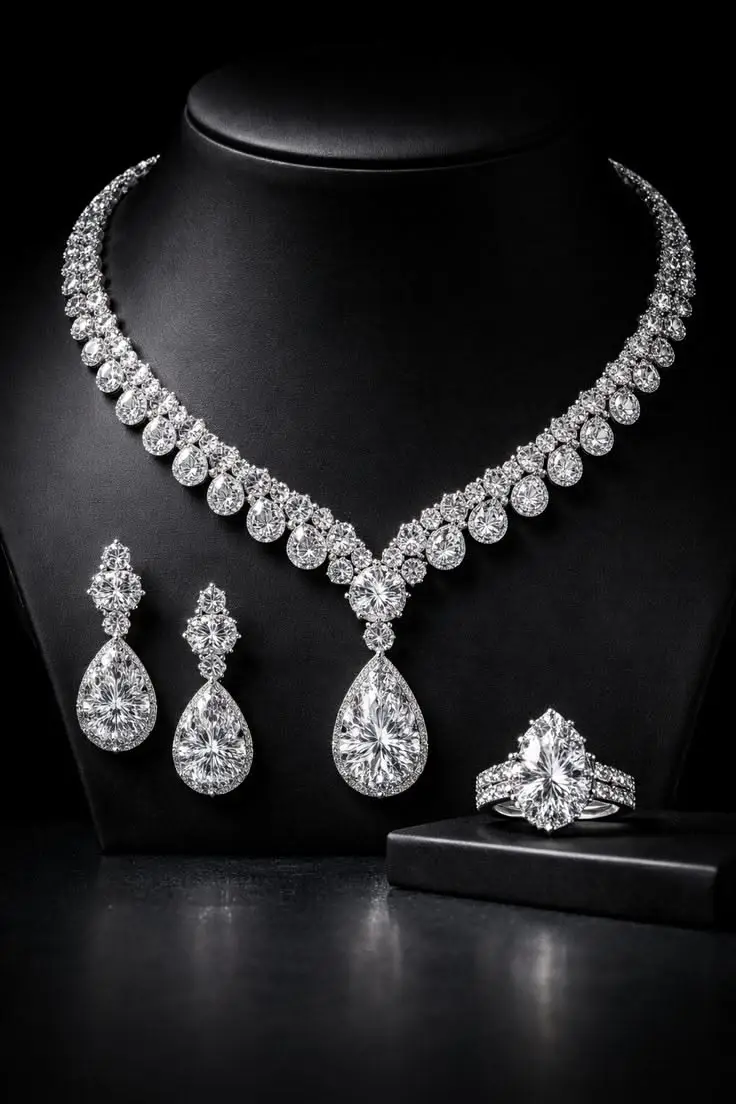
There is a jacket hanging in a vintage shop somewhere right now that has a better story than anything currently sitting on a retail shelf. You can see it in the leather the way it has darkened around the collar from years of contact, softened at the elbows from constant flexing, developed a surface quality that looks almost liquid in certain light. Somebody wore that Fashion Forward Versace Robe through something. It remembers.
This has been the pursuit of the fashion industry over the past several years that element of lived-in authenticity which can never be faked through product photography or marketing stories. And in 2026, the discourse surrounding outerwear is finally starting to speak to this issue. People are buying differently. They are thinking longer. They are choosing jackets not for what they look like on day one but for what they will become over time.
That shift is not a trend in the usual sense. It is something deeper a growing resistance to the disposability that has defined fashion consumption for the better part of two decades. And the leather jacket, with its particular ability to absorb time and wear and transform rather than deteriorate, sits right at the center of it.
Biker Culture Never Left It Just Stopped Needing to Announce Itself
Where the Jacket Came From and Why It Still Matters
The biker jacket has an honest history. It was functional before it was fashionable designed in the early twentieth century to protect motorcycle riders from wind, impact, and the particular cold that comes from moving at speed through open air. The asymmetric zip, the snap lapels, the belted waist these details existed for practical reasons before they became aesthetic ones. That functional origin is part of what gives the jacket its authority. It earned its look before fashion discovered it.
By the time the biker jacket became a cultural symbol in the 1950s through film, through rock and roll, through the specific visual language of American rebellion it was already a proven object. Fashion borrowed it from a context where it had already demonstrated its worth. That is a different kind of credibility from a garment designed biker jacket men purely for aesthetic purposes and it is something that careful observers of the jacket’s ongoing cultural presence can still detect.
What Changed in 2026
However, what makes the biker jacket intriguing in 2026 is not so much the ongoing importance that it has always had but rather the shifting of its cultural connections. This item of clothing does not pertain to a particular subculture or identify one’s affiliation to a certain community anymore. It is an item for everybody.
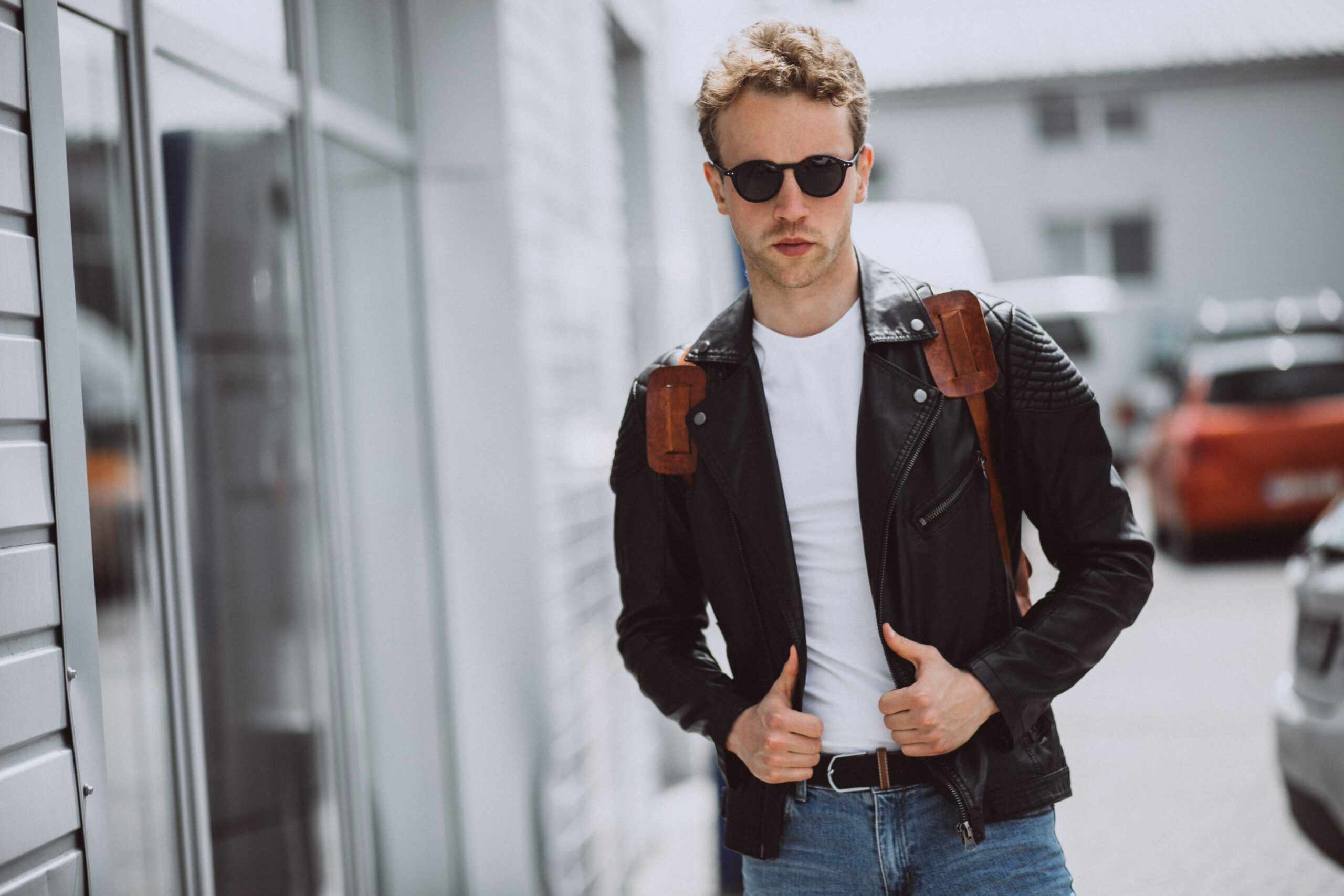
A leather biker jacket worn by a graphic designer over a vintage band tee and raw-hem jeans carries different energy from the same jacket worn by someone in tailored separates with clean shoes. Both work. Both look intentional. The jacket accommodates these different wearers without contradicting itself which is a quality that very few pieces of clothing can genuinely claim.
The Vintage Revival That Is Actually About the Future
Why Old Jackets Are Teaching New Ones Something Important
There is a genuine demand for leather goods in 2026, and it is not based on any kind of nostalgia – although nostalgia does play a role. Instead, it is all about the quality of the material and how that material shows its true nature with time. A well-maintained leather jacket produced during the 1970s or the 1980s proves something which cannot be said about any product description: that the material looks much better as time passes.
This concept is beginning to impact the way new jackets are designed and sold. Leathers that will age in a noticeable and engaging manner are preferred over those that are meant to look the same all the time. Pull-up leathers that create character lines when worn. Grain textures that accentuate themselves rather than fade with time. Finishes that deepen into an even darker and richer shade of what they used to be.
The best new leather jackets in 2026 are designed to become vintage. The aging is not incidental it is part of the design brief.
Styling Vintage-Inspired Leather Without Looking Like You Are Playing Dress-Up
The risk with vintage-inspired outerwear is always the same it tips from considered into costume if the surrounding outfit does not balance it correctly. A heavily distressed brown leather jacket with vintage patches and worn-in hardware needs clean, modern pieces around it to avoid reading as a costume rather than a style choice.
The combination that consistently works: vintage-finish leather jacket over a plain, well-fitted contemporary garment a clean modern crewneck, a slim t-shirt, a simple button-down with contemporary footwear that does not try to match the vintage energy of the jacket. The contrast between the aged jacket and the clean modern outfit is where the visual interest lives. Trying to match the vintage aesthetic throughout usually results in something that looks more like cosplay than fashion.
Streetwear Did Something Important to Outerwear Here Is What
The Proportion Shift That Changed Everything
Streetwear’s most lasting contribution to outerwear culture is probably the permission it granted to play with proportion. Before streetwear became the dominant language of contemporary fashion, there were fairly clear ideas about how outerwear was supposed to fit. Structured and close-to-the-body for formal contexts. Relaxed but not oversized for casual. The extremes on either end very fitted or very large felt like subcultural signals rather than mainstream choices.
That changed significantly and the leather jacket is one of the clearest examples of how. The oversized biker jacket that now appears across street style photography, celebrity imagery, and fashion editorials was not a mainstream proposition five years ago. Today it is one of the most versatile outerwear silhouettes available, worn by people across completely different style identities in completely different cities.
What made this possible was streetwear’s insistence that proportion is a creative tool rather than a fitting problem. Wearing a jacket two sizes larger than your body is not a mistake it is a choice, and in the right context it is a more interesting choice Michael Jackson Jackets Stylish and Practical than the perfectly fitted version.
Varsity Jackets Streetwear’s Other Leather Contribution
The varsity jacket’s current cultural position owes a significant debt to streetwear’s rehabilitation of American collegiate aesthetics. The leather-sleeve varsity in particular combining a wool or heavyweight fabric body with genuine leather sleeves has been recontextualized from its high school and sports team origins into something that functions as serious fashion without taking itself too seriously.
What the best varsity jackets in 2026 share is a restraint that earlier fashion iterations of the style often lacked. Fewer patches. Cleaner colorways. Better materials, particularly in the leather sleeve sections where quality variation is most immediately apparent. The conversation has shifted from “how much iconography can we put on this jacket” to “how good can we make the jacket itself” and the results are noticeably better for it.
The Layering Question Winter Outerwear Done With Actual Thought
What Most People Get Wrong About Cold Weather Leather
Leather jackets and winter have a complicated relationship that most outerwear guides handle badly. The typical advice is either “layer underneath and you will be fine” which is technically correct but not very useful or “leather jackets are not really winter pieces” which is simply wrong.
The truth is more specific. A leather jacket performs well in winter as part of a considered layering system rather than as the sole source of warmth. The leather’s primary winter function is wind resistance and structural containment of the layers beneath it, not insulation. Understanding this changes how you build the outfit.
A fitted thermal base layer plus a mid-weight knit or lightweight fleece underneath a leather jacket creates a system that handles most urban winter temperatures comfortably without adding enough bulk to distort the jacket’s silhouette. This is the combination that allows someone to wear a leather jacket at Halloween Jacket Costume at Unbeatable Prices 2 degrees Celsius and look like they dressed for style rather than survival.
The Coat-Over-Jacket Approach Worth Trying
One of the more interesting winter styling developments in 2026 has been the growing adoption of the leather jacket as a mid-layer beneath a longer coat rather than as the outer layer of an outfit. The jacket worn beneath a longline wool or cashmere overcoat visible at the collar, possibly at the cuffs adds structural interest to the coat’s silhouette from underneath and creates an outfit with genuine layering depth.
It requires the right proportions. The jacket needs to be fitted enough to sit cleanly under the coat without creating excessive bulk at the shoulders. The coat needs to be long enough to frame the combination properly. But when it works, it works and it solves the winter leather jacket problem more elegantly than any amount of thermal layering alone.
Closing Thought
Fashion has a short attention span for most things. The leather jacket has outlasted every trend that was supposed to replace it and every cycle that was supposed to make it feel dated. In 2026 it is more culturally interesting than it has been in years not because anything dramatic happened to it, but because the broader conversation around clothing has shifted toward the qualities that leather has always embodied.
Things that age. Things that last. Things that carry history and wear it as strength rather than damage.
That jacket in the vintage shop? Someone is going to buy it, wear it constantly, and pass it on in another thirty years looking even better than it does today. The leather jackets being made well right now are going to do exactly the same thing. Buy accordingly.