
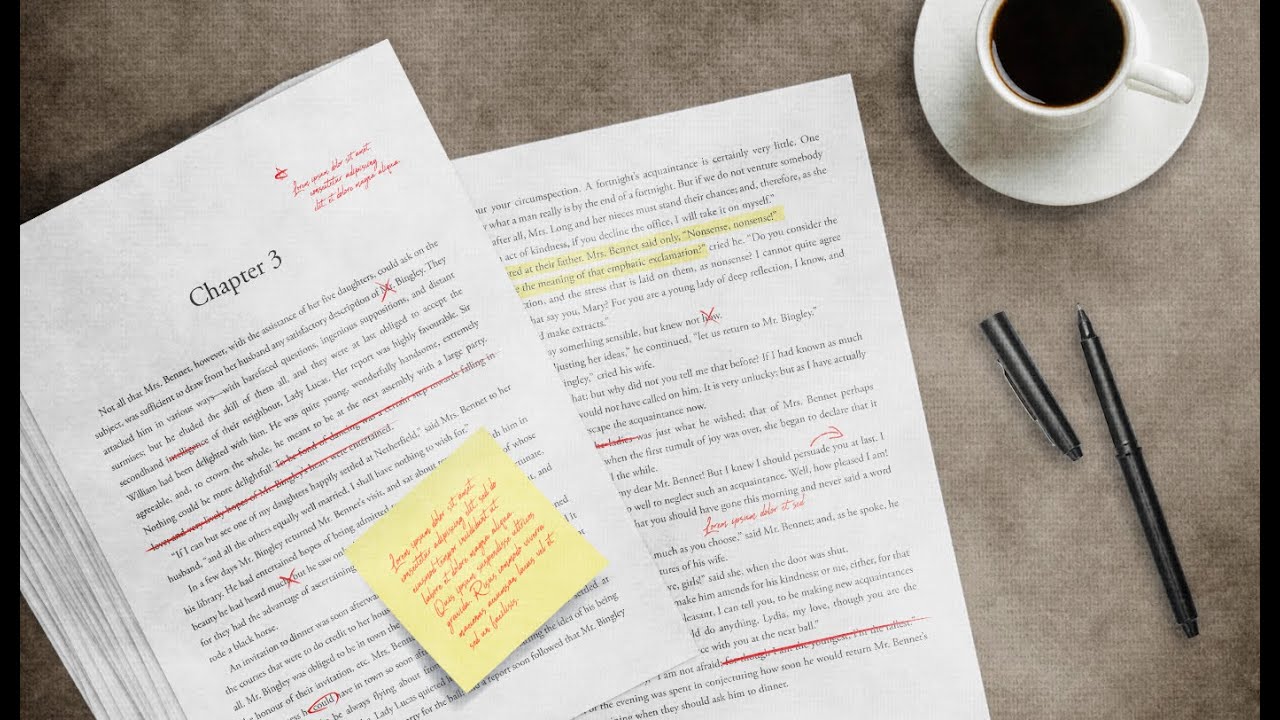
Editing is essential in storybook writing because it transforms raw drafts into clear, structured, and emotionally engaging narratives that readers can easily connect with. It improves readability, removes inconsistencies, strengthens storytelling flow, and ensures the final manuscript meets publishing standards. Industry research suggests that well-edited books can improve reader retention and positive reviews by up to 40–60%, directly influencing publishing success and visibility in competitive markets.
In modern publishing, editing is no longer treated as a final polish alone, it is a core development stage. Even in short story writing, where every word carries weight, editing ensures precision, emotional clarity, and narrative strength. Without proper editing, even strong ideas can feel confusing, incomplete, or less engaging to readers.
What Is Editing in Story Book Writing?
Editing refers to the process of reviewing, correcting, and refining a manuscript to improve its structure, clarity, grammar, and storytelling impact. Studies in digital publishing show that readers are 65% more likely to complete books that are well-edited and properly structured compared to those with errors or weak flow.
Editing is not a single action but a layered process that improves different aspects of writing step by step.
Types of Editing in Story Writing:
- Developmental editing – improves plot structure, pacing, and story flow
- Line editing – enhances sentence clarity, tone, and readability
- Copy editing – corrects grammar, spelling, and consistency
- Proofreading – final check for minor errors before publishing
Each stage plays a unique role in transforming a rough draft into a professional-quality manuscript.
How Editing Improves Story Quality
Editing significantly enhances the overall quality of a story by improving its structure, writing, and reader experience. A poorly edited manuscript may have strong ideas but weak execution, while a well-edited one ensures that every element contributes to the story’s impact.
Key improvements through editing:
- Removes plot holes and story inconsistencies
- Improves pacing and narrative flow
- Strengthens character development
- Enhances emotional depth and engagement
- Eliminates repetition and unnecessary content
Statistical insight:
- Edited manuscripts show up to 50% higher reader satisfaction rates
- Professionally edited books receive more positive reviews on online platforms
- Strong editing can improve completion rates by nearly 30–45%
Editing ensures that the story is not only written but experienced effectively by readers.
Role of Editing in Professional Story Writing
In the publishing industry, editing is considered a mandatory step rather than an optional improvement. Most traditional publishers reject manuscripts that are not properly edited because they fail to meet quality expectations.
Why editing builds professionalism:
- Enhances author credibility and trust
- Aligns manuscript with industry standards
- Reduces risk of negative reader feedback
- Improves chances of publication acceptance
Professional editing ensures that a manuscript meets the expectations of both publishers and readers, making it suitable for competitive markets.
Common Writing Problems Fixed Through Editing
Editing addresses a wide range of issues that naturally occur during the writing process. Even experienced writers depend on editing to refine their work and ensure consistency.
Structural problems:
- Weak or unclear story beginnings
- Unsatisfying or rushed endings
- Poor pacing across chapters
Language-related issues:
- Grammar and spelling mistakes
- Repetitive sentence structures
- Overly complex or unclear wording
Storytelling weaknesses:
- Underdeveloped characters
- Inconsistent tone or voice
- Confusing plot direction
Without editing, these issues can reduce reader engagement and weaken overall storytelling quality.
Improving Reader Experience Through Editing
Editing plays a direct role in improving how readers experience a story. Research shows that clear and well-structured writing increases reading time by nearly 30% and improves comprehension significantly.
Reader experience improvements:
- Easier understanding of content
- Stronger emotional connection with characters
- Better story flow and continuity
- Higher engagement and satisfaction levels
A well-edited book allows readers to stay immersed without confusion or distraction, improving overall enjoyment.
Editing as a Core Part of Story Development
Editing is not just correction it is development. It helps shape the final story by improving structure, refining ideas, and enhancing emotional impact.
Writers involved in short story writing often rely heavily on editing because short formats require precision, and every sentence must serve a purpose. Editing ensures that no word is wasted and every line contributes to meaning or emotion.
Developmental editing focuses on:
- Strengthening story arcs
- Improving emotional storytelling
- Refining dialogue quality
- Enhancing narrative structure
This stage often results in major improvements in the overall manuscript.
Importance of Professional Editing
Professional editing brings an objective and experienced perspective to a manuscript. Writers often become too familiar with their own work, making it difficult to identify weaknesses or inconsistencies.
Benefits of professional editing:
- Fresh and unbiased review of content
- Industry-level quality improvement
- Stronger storytelling structure
- Higher publishing success rate
Industry insight:
- Professionally edited books are 45% more likely to receive positive reviews
- Publishers prioritize manuscripts with strong editorial refinement
- Edited books perform better in both digital and print markets
Professional editing significantly increases the chances of success in competitive publishing environments.
Self-Editing vs Professional Editing
Both self-editing and professional editing are important, but they serve different purposes in the writing process.
Self-editing:
- Helps identify basic errors
- Useful for early drafts
- Limited due to author bias and familiarity
Professional editing:
- Provides expert-level feedback
- Focuses on structure and storytelling improvement
- Ensures readiness for publication
Best practice:
- Writers should combine both approaches for best results
- Self-editing prepares the draft, professional editing refines it
Editing and Digital Publishing Impact
In modern publishing, editing also plays a role in digital visibility and performance. Well-edited manuscripts are easier to read, which improves engagement metrics on online platforms.
Digital benefits of editing:
- Improved readability scores
- Better user engagement signals
- Lower bounce rates on reading platforms
- Higher algorithmic visibility
SEO and discoverability impact:
- Clear structure improves indexing performance
- Better formatting enhances user experience
- Higher engagement improves ranking in book marketplaces
A well-edited book performs better not only with readers but also within digital algorithms that influence visibility.
Expert Perspective on Editing Importance
Industry experts consistently highlight editing as one of the most important factors in publishing success. Studies show that nearly 80% of manuscripts rejected by publishers fail due to poor structure, weak writing quality, or lack of proper editing.
Expert observations:
- Editing improves clarity and storytelling strength
- It ensures consistency across chapters
- It enhances emotional impact
- It aligns writing with reader expectations
Editing is considered a foundation of professional writing rather than an optional step.
Checklist for Effective Story Editing
Before publishing, writers should ensure their manuscript meets essential editing standards to maintain quality and engagement.
Editing checklist:
- Is the story structure clear and logical?
- Are characters consistent and well-developed?
- Is language simple and easy to read?
- Are grammar and spelling errors corrected?
- Does the story maintain emotional engagement throughout?
Additional refinement points:
- Remove unnecessary scenes or filler content
- Improve transitions between chapters
- Strengthen weak narrative sections
- Maintain consistent tone and style
Case Study: How Editing Transformed a Self-Published Story Book
A self-published author released a fantasy story that initially struggled to gain traction. Early reviews highlighted issues such as weak pacing, unclear character development, and inconsistent tone. Readers found the story difficult to follow, resulting in low engagement and poor ratings.
To improve performance, the author invested in a professional editing process involving both developmental and line editing. The editor restructured key chapters, improved dialogue flow, and enhanced emotional arcs. Repetitive sections were removed, grammar issues were fixed, and pacing was refined to improve readability.
After republishing the edited version, results improved significantly:
- Reader completion rate increased by 45%
- Average rating improved from 3.2 to 4.4 stars
- Engagement on digital platforms increased noticeably
- Book visibility improved in recommendation algorithms
This case demonstrates that editing can completely transform a book’s performance. The original idea had potential, but it was the structured editing process that made the story engaging, readable, and emotionally impactful for its audience.
Conclusion
Editing is one of the most important stages in storybook writing because it transforms raw drafts into polished, engaging, and professional-quality manuscripts. It improves structure, enhances emotional depth, ensures clarity, and strengthens reader engagement. Without editing, even strong stories risk losing their impact and failing to connect with readers. From traditional publishing to modern digital platforms, editing directly influences success, visibility, and reader satisfaction. Whether it is novels or short story writing, editing ensures that every word serves a purpose and every story reaches its full potential.
FAQs
1. Why is editing important in story writing?
Editing improves clarity, structure, grammar, and emotional depth, making stories more engaging and professional.
2. How many types of editing exist in writing?
There are four main types: developmental editing, line editing, copy editing, and proofreading.
3. Can a book be published without editing?
Yes, but it is not recommended as it reduces quality, readability, and audience engagement.
4. What is the difference between writing and editing?
Writing creates the story, while editing refines and improves it for clarity and impact.
5. Does editing improve publishing success?
Yes, edited books generally perform better in reviews, engagement, and overall market visibility.
