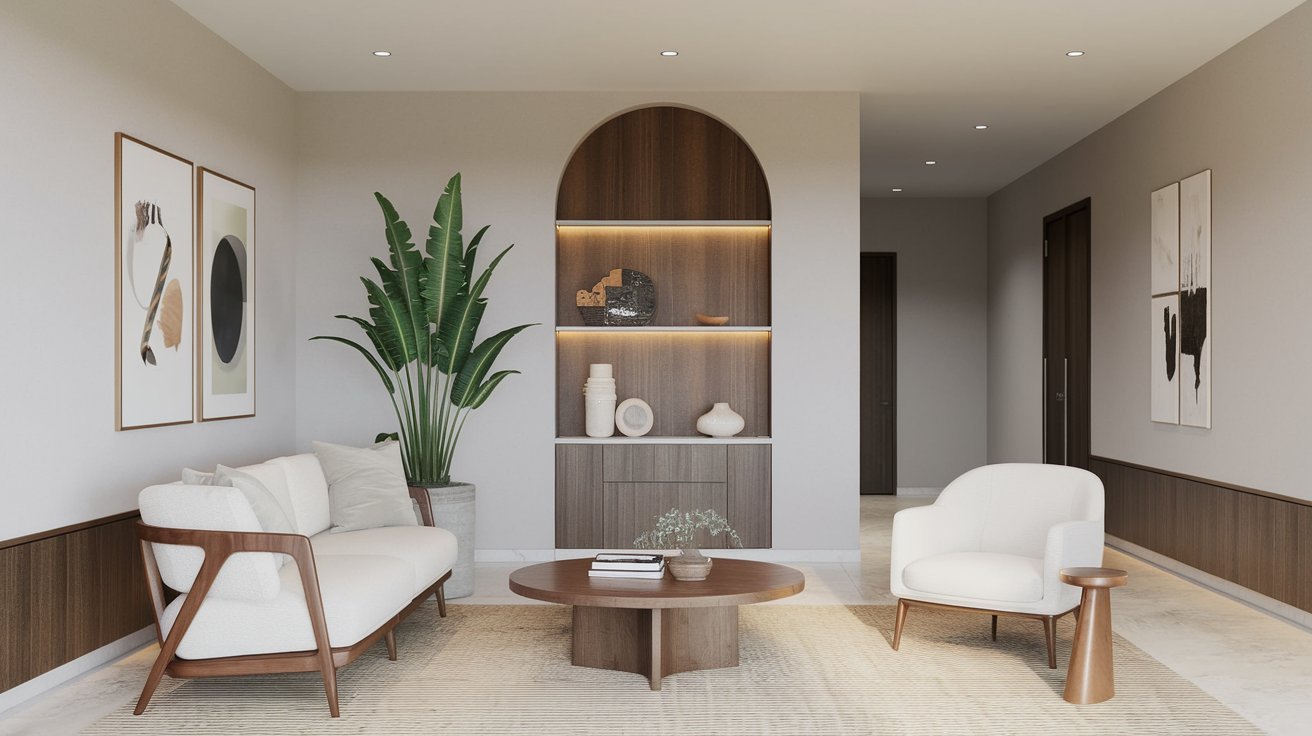
Walk into any thoughtfully designed space—a boutique hotel, a corporate office, or a luxury residence—and what you notice first isn’t the blueprint. It’s the experience. The textures, the comfort, the lighting, the subtle harmony between objects. This is where FF&E—Furniture, Fixtures, and Equipment—quietly takes center stage.
While architectural elements provide structure, FF&E brings a space to life. In modern interior design, it’s no longer just about filling rooms with furniture. It’s about creating purposeful environments where every piece contributes to function, identity, and emotion.
Beyond Decoration: FF&E as a Design Language
FF&E has evolved far beyond its traditional role. It is no longer treated as a final layer added after the design is complete. Instead, it is integrated into the design process from the very beginning.
Designers now use FF&E as a storytelling tool. A carefully selected chair isn’t just for seating—it reflects brand identity. Lighting fixtures don’t just illuminate—they define mood and hierarchy within a space. Even the smallest accessory can influence how a user interacts with the environment.
This shift has made FF&E a core component of design strategy rather than a secondary consideration.
Function Meets Experience
Modern interiors demand more than visual appeal. Spaces must perform. Offices need to support productivity, hotels must enhance guest comfort, and retail environments are designed to influence behavior.
FF&E sits at the intersection of function and experience. Ergonomic furniture improves usability, while well-placed fixtures enhance flow and accessibility. Equipment choices, from integrated technology to specialized installations, ensure that spaces work as intended.
Designers today are not just selecting items—they are curating experiences. Every FF&E decision is tied to how a space will be used in real life.
The Rise of Data-Driven Design Decisions
One of the most significant changes in modern interior design is the shift toward data-informed choices. Designers are increasingly relying on structured information rather than intuition alone.
This is where digital FF&E platforms are reshaping the process. Tools like Specsources allow designers to organize product data, track specifications, and manage selections in a centralized system.
Instead of juggling spreadsheets and scattered documents, designers can access detailed product information instantly. This leads to more accurate decisions, fewer errors, and a smoother transition from concept to execution.
The result is a design process that feels less chaotic and far more controlled.
Consistency Across Complex Projects
Large-scale projects—such as hotels, hospitals, or corporate offices—require consistency across hundreds or even thousands of items. A single mismatch in finish or specification can disrupt the entire design vision.
FF&E plays a critical role in maintaining this consistency. By standardizing selections and ensuring uniform specifications, designers can create cohesive environments even across multiple locations.
Modern FF&E management tools make this possible by keeping every detail aligned. Whether it’s tracking finishes, dimensions, or vendor information, these systems ensure that nothing gets lost in the process.
Bridging Design and Procurement
One of the most overlooked aspects of FF&E is its role in connecting design with procurement. A design is only as successful as its execution, and execution depends heavily on accurate product sourcing.
FF&E acts as the bridge between creative vision and real-world delivery. It ensures that what is designed can actually be purchased, delivered, and installed as intended.
Platforms like Specsources streamline this connection by linking design specifications directly with procurement data. This reduces miscommunication between teams and ensures that the final outcome matches the original concept.
Speed Without Compromising Quality
In today’s fast-paced industry, timelines are tighter than ever. Clients expect quicker turnarounds without sacrificing quality. This creates pressure on designers to work efficiently while maintaining precision.
FF&E systems help achieve this balance.
By automating repetitive tasks such as documentation and scheduling, designers can focus more on creativity. At the same time, built-in checks and structured data reduce the risk of errors.
This combination of speed and accuracy is what defines modern design workflows.
Sustainability and Smart Material Choices
Sustainability is no longer optional in interior design. Clients are increasingly prioritizing eco-friendly materials and responsible sourcing.
FF&E plays a major role in this shift. Designers must consider not only the aesthetic and functional aspects of products but also their environmental impact.
Modern FF&E platforms make it easier to evaluate these factors. Designers can compare materials, track certifications, and make informed choices that align with sustainability goals.
This adds another layer of responsibility to FF&E—but also an opportunity to create designs that are both beautiful and conscious.
Customization at Scale
Clients today want spaces that feel unique. Standard solutions are no longer enough. This has led to a growing demand for customization in FF&E.
From bespoke furniture pieces to tailored fixtures, designers are pushing boundaries to create one-of-a-kind environments. However, customization also introduces complexity.
Managing custom items requires precise documentation, clear communication with vendors, and careful coordination during installation.
This is where structured FF&E systems become essential. They allow designers to manage custom elements with the same level of control as standard products, ensuring that creativity doesn’t lead to confusion.
Enhancing Collaboration Across Teams
Interior design is a collaborative effort. Designers, architects, contractors, and clients all play a role in shaping the final outcome.
FF&E serves as a shared language between these stakeholders. It translates design ideas into tangible items that everyone can understand and evaluate.
Modern tools enhance this collaboration by providing a centralized platform where all parties can access and review information. Changes can be tracked, feedback can be shared, and decisions can be made more efficiently.
This reduces misunderstandings and keeps projects moving forward smoothly.
The Emotional Impact of Thoughtful FF&E
While much of the discussion around FF&E focuses on functionality and process, its emotional impact should not be underestimated.
The right combination of furniture, fixtures, and equipment can transform how people feel in a space. It can create comfort, inspire creativity, or convey luxury and sophistication.
This emotional layer is what separates good design from exceptional design.
Modern designers understand that FF&E is not just about filling a space—it’s about shaping human experiences.
Technology as an Enabler, Not a Replacement
As FF&E software becomes more advanced, there is sometimes concern that technology might overshadow creativity. In reality, the opposite is true.
Technology removes the friction from the design process. It handles the complexity of data management, allowing designers to focus on what they do best—creating meaningful spaces.
Platforms like Specsources are designed with this balance in mind. They provide structure without limiting creativity, enabling designers to work smarter rather than harder.
Preparing for the Future of Interior Design
The role of FF&E will continue to expand as interior design evolves. With the integration of smart technology, adaptive spaces, and data-driven insights, FF&E will become even more critical.
Designers who embrace structured systems and digital tools will be better equipped to handle this complexity. They will be able to deliver projects that are not only visually compelling but also highly functional and efficient.
This shift is not just about adopting new tools—it’s about rethinking how design is approached.
Final Thoughts
FF&E has become a cornerstone of modern interior design. It shapes how spaces look, function, and feel. From ensuring consistency and accuracy to enabling collaboration and sustainability, its role is both broad and essential.
As projects grow more complex and client expectations continue to rise, the importance of managing FF&E effectively cannot be overstated.
By leveraging advanced platforms like Specsources, designers can bring clarity to complexity, turning detailed specifications into seamless execution.
In the end, great design is not just about vision—it’s about delivering that vision with precision. And that’s exactly where FF&E makes all the difference.