
Have you ever stopped to think about who’s really looking out for your family’s vision? When was the last time you visited an optometrist, and do you know what your local optometrist actually does beyond prescribing glasses? These might seem like simple questions, but the answers reveal something important about community health that often goes unnoticed.
Local optometrists are, quite frankly, unsung heroes in our neighbourhoods. While many people visit an optometrist for new glasses or contact lenses, their role goes far beyond improving eyesight. These professionals act as frontline defenders of overall health, often detecting serious conditions early. A skilled optometrist can identify warning signs of issues like diabetes, high blood pressure, and other health concerns during a routine eye exam.
In this article, we’ll explore why having a local optometrist matters so much for community wellbeing. You’ll discover the wide range of services an optometrist provides, understand the strong link between eye health and overall wellness, and learn how these experts support vulnerable groups within the community. We’ll also cover how often you should visit an optometrist, the warning signs you shouldn’t ignore, and how choosing a local practice contributes to a stronger local economy. By the end, you’ll clearly see why investing in a trusted optometrist means investing in your community’s future.
What Does a Local Optometrist Actually Do?
Beyond Prescribing Glasses: The Full Scope of Eye Care
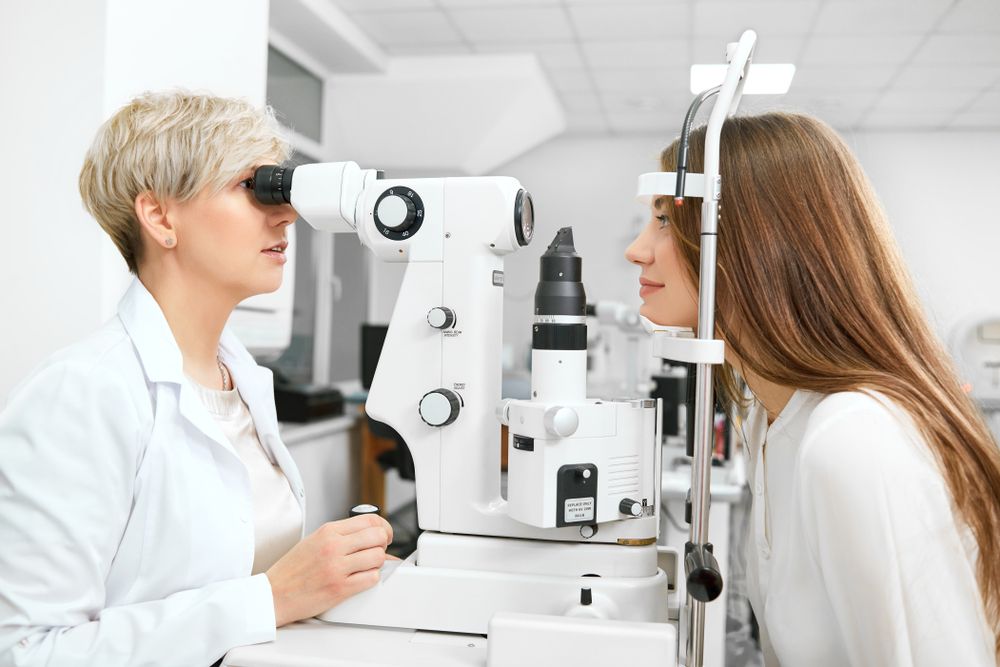
Most people associate optometrists with glasses and contact lenses, but that’s just scratching the surface. Your local optometrist provides thorough eye examinations that assess not only your visual acuity but also the overall health of your eyes. They check for conditions like dry eye syndrome, monitor eye pressure, and examine the structures at the back of your eye.
These professionals also fit and prescribe contact lenses tailored to your lifestyle and eye shape. They manage ongoing eye conditions, provide treatment for minor eye infections, and offer advice on protecting your vision. Many Australian optometrists now use advanced imaging technology to create detailed maps of your eyes, allowing them to track changes over time.
What’s more, optometrists play a crucial role in referring patients to specialists when necessary. They act as gatekeepers, identifying issues that require ophthalmological intervention and ensuring you get the right care at the right time.
How Is an Optometrist Different from an Ophthalmologist?
This question pops up frequently, and it’s worth clarifying. An optometrist is a primary eye care provider who has completed a university degree in optometry. They perform eye exams, prescribe corrective lenses, and diagnose common eye conditions. In Australia, optometrists can also prescribe certain medications for eye problems.
An ophthalmologist, on the other hand, is a medical doctor who has completed additional specialist training in eye surgery and complex eye diseases. They perform operations like cataract removal and treat serious conditions requiring surgical intervention. Think of your optometrist as your GP for eyes—they handle everyday care and refer you to a specialist when needed.
The Community Benefits of Having a Local Optometrist
Accessible and Affordable Eye Care for Everyone
Local optometrists make eye care accessible to community members who might otherwise go without. Unlike travelling to a city hospital or specialist centre, visiting a neighbourhood practice is convenient and often more affordable. Many Australian optometrists bulk bill through Medicare, making essential eye exams free for eligible patients.
Having a local practice also means shorter waiting times and easier appointment scheduling. For families juggling work and school commitments, this accessibility makes the difference between getting regular check-ups and putting them off indefinitely.
Building Long-Term Relationships with Patients
There’s something valuable about seeing the same practitioner year after year. Your local optometrist gets to know your eyes, your family history, and your specific needs. They notice subtle changes that a stranger might miss. This continuity of care leads to better health outcomes.
These relationships extend beyond clinical matters too. Local optometrists become trusted members of the community, sponsoring local sports teams, participating in school vision screenings, and contributing to neighbourhood wellbeing in countless ways.
Supporting Vulnerable Groups: Children, Seniors, and Low-Income Families
Local optometrists often go above and beyond for vulnerable community members. Many participate in programs providing free eye exams and glasses to disadvantaged children. They work with aged care facilities to ensure elderly residents maintain their sight and independence.
For low-income families, local practices often offer payment plans or connect patients with assistance programs. This community-minded approach ensures that financial barriers don’t prevent anyone from accessing essential eye care.
Local Optometrists and Preventative Health Care
Early Detection of Eye Diseases: Glaucoma, Macular Degeneration, and Cataracts
Preventative care is where local optometrists truly shine. They detect conditions before symptoms appear, when treatment is most effective. Glaucoma, often called the “silent thief of sight,” can be identified through routine pressure checks and optic nerve examination. Caught early, it’s manageable. Caught late, vision loss is permanent.
Age-related macular degeneration affects many older Australians, but early detection allows for lifestyle modifications and treatments that slow progression. Cataracts, while common, can be monitored and addressed surgically when they significantly impact quality of life.
Why Regular Eye Tests Could Save Your Vision
The statistics are sobering. According to Vision 2020 Australia, over half of vision loss is preventable or treatable. Regular eye tests are your best defence against preventable blindness. They cost little, take minimal time, and could genuinely save your sight.
Supporting Local Businesses: The Economic Impact
How Choosing a Local Optometrist Strengthens Your Community
When you choose a local optometrist over a large chain or online retailer, your money stays in your community. Local practices employ local staff, pay local taxes, and support other neighbourhood businesses. They’re invested in the community’s success because they’re part of it.
Plus, local optometrists often stock frames from smaller suppliers and Australian designers, supporting local manufacturing. Your purchase creates a ripple effect of economic benefit throughout your area.
Investing in Your Community’s Vision and Health
Local optometrists play an irreplaceable role in community health. They’re not just dispensing glasses—they’re detecting diseases, supporting vulnerable populations, and contributing to local economic vitality. Their value extends far beyond what meets the eye.
Making regular visits to your local optometrist isn’t just about seeing clearly. It’s about taking charge of your overall health, supporting local business, and ensuring that quality eye care remains accessible in your neighbourhood for generations to come.
So here’s a friendly nudge: if you can’t remember your last eye exam, it’s probably time to book one. Pop into your local optometrist, get to know them, and make eye health a priority. Your future self—and your community—will thank you for it.
