
Have you ever woken up after a wild storm to find tiles scattered across your garden like confetti? Or perhaps you’ve noticed that ominous water stain spreading across your ceiling? When Mother Nature throws her worst at your home, your roof often bears the brunt of it. So, what should you actually do when storm damage strikes?
Storms across Australia can be absolutely brutal. From the fierce summer thunderstorms in Queensland to the wild winter gales battering Victoria, our roofs cop a serious beating. The tricky part? Knowing how to respond quickly and effectively can mean the difference between a minor repair and a full-blown disaster. Acting fast isn’t just about protecting your property it’s about safeguarding your family and your peace of mind.
In this guide, we’ll walk you through everything you need to know about handling emergency roofing repairs after storm damage. You’ll learn how to spot the warning signs, what immediate steps to take, when to call in the professionals, and how to navigate the insurance process. Plus, we’ll explore whether you’re looking at a roofing repairs or a complete replacement. Let’s get stuck into it
Immediate Steps to Take After Storm Damage
Keep in mind these are stopgap measures only. They’re not permanent fixes, and attempting major roofing repairs yourself could void your insurance or create bigger problems.
Should I Cover a Damaged Roof with a Tarp?
Tarping a damaged roof is one of the most effective temporary solutions, but it comes with risks. If you can safely access your roof and the weather has cleared, securing a tarp over the damaged area can prevent further water intrusion. Use weights or sandbags rather than nails, which can create additional holes.
That said, many emergency roofing repairs services offer tarping as part of their callout. If you’re not confident working at heights, leave it to the professionals.
When to Call an Emergency Roof Repair Service
What Qualifies as an Emergency Roof Repair?
Not every bit of storm damage requires an after-hours callout. Emergency roofing repairs are typically needed when there’s active water entry into your home, structural damage that poses a safety risk, or exposed areas that will worsen significantly before normal business hours.
How Quickly Should Storm Damage Be Repaired?
The short answer is: as quickly as possible. Even minor damage can escalate rapidly with subsequent weather events. Most experts recommend addressing storm damage within 48 to 72 hours to prevent secondary issues like mould growth, timber rot, or ceiling collapse.
After major storm events, roofing repairs contractors get swamped with calls. Getting in early can mean the difference between a quick repair and a weeks-long wait.
What to Look for in an Emergency Roofing Repairs Contractor
When you’re stressed and your home is taking on water, it’s tempting to hire the first person who answers the phone. Take a breath and do some quick checks first. Look for contractors with proper licensing, insurance, and genuine local reviews. Be wary of storm chasers opportunistic operators who appear after major weather events offering too-good-to-be-true deals.
Understanding the Roofing Repairs Process
What Happens During an Emergency Roof Inspection?
A professional inspection starts with a thorough assessment of both the exterior and interior of your roof. The contractor will check for visible damage, test the structural integrity, and identify any areas where water might be entering.
They’ll also look at components you might not think about flashing, valleys, gutters, and downpipes. After the inspection, you’ll receive a report detailing the damage and recommended repairs.
Common Emergency Roofing Repairs After Storms
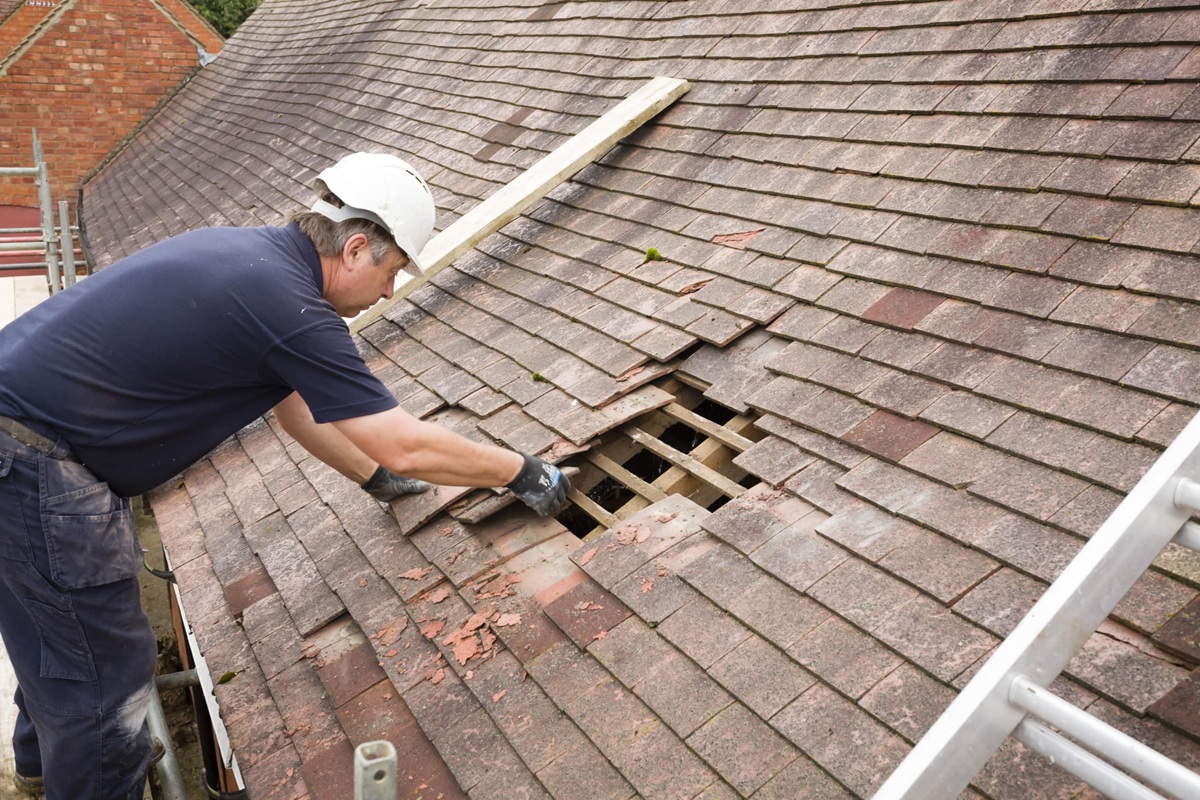
The most frequent emergency roofing repairs include replacing missing or broken tiles, resealing flashing, patching holes, and securing loose sections. In more severe cases, contractors might need to replace entire roof sections or address damaged support beams.
Gutter repairs are also common, as heavy rain and debris can bend, crack, or completely detach guttering from your fascia boards.
How Long Does Emergency Roofing Repair Take?
Simple repairs like replacing a few tiles or tarping a damaged section can often be completed within a few hours. More extensive work might take a day or two. Full roof replacements obviously take longer typically one to two weeks depending on the size and complexity of your roof.
Your contractor should give you a realistic timeframe based on their initial assessment.
Insurance Claims for Storm-Damaged Roofs
Does Home Insurance Cover Storm Damage to Roofs?
Most standard Australian home insurance policies do cover storm damage, but the devil’s in the details. Coverage typically includes damage from wind, hail, rain, and fallen trees. However, policies often have exclusions for damage caused by poor maintenance or wear and tear.
Check your policy documents or call your insurer to clarify exactly what’s covered before you start repairs.
How to Document Roof Damage for Your Insurance Claim
Thorough documentation is your best friend during the claims process. Take clear photos and videos of all visible damage from multiple angles. Keep any debris that’s fallen from your roof damaged tiles, for instance as evidence.
Write down the date and time of the storm, and note any immediate actions you took to prevent further damage. Keep all receipts for temporary roofing repairs or emergency callouts.
Tips for a Smooth Insurance Claims Process
Contact your insurer as soon as possible after the storm. Most policies require you to report damage within a specific timeframe. Be honest and detailed in your claim, and don’t exaggerate the damage.
Get written quotes from licensed contractors, and don’t authorise major repairs until your insurer has assessed the damage or given you the go-ahead. Patience helps here claims can take time to process, especially after widespread storm events.
Factors That Determine Repairs or Replacement
Age plays a major role a newer roof with localised damage is usually worth repairing. The extent and type of damage matter too. Widespread hail damage across an entire roof surface often makes replacement more cost-effective than trying to fix hundreds of small dents.
Your budget and insurance coverage will also influence the decision. A good contractor will give you honest advice about which option makes the most sense for your situation.
Your local area’s typical weather patterns should guide your choice. Chat with your roofing repairs contractor about what works best for your region.
Acting Fast Protects Your Home and Your Peace of Mind
Dealing with storm damage is never fun, but knowing what to do makes the whole process far less stressful. From that first inspection through to the final repair, each step you take protects your home and your family from further harm.
The key takeaways? Assess damage safely, take immediate steps to prevent water entry, call in qualified professionals promptly, and document everything for your insurance claim. Don’t rush into decisions about repair versus replacement get expert advice and weigh your options carefully.
Your roof is your home’s first line of defence against the elements. By acting quickly when damage occurs and investing in regular maintenance, you’re not just protecting a structure you’re protecting everything and everyone underneath it. If you’re ever unsure, reach out to a trusted local roofing repairs professional. They’ve seen it all before and can guide you through even the worst storm aftermath.
