
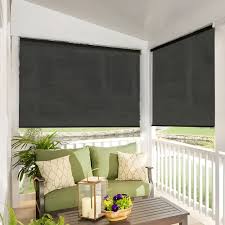
Exterior shades have become one of the most effective and stylish solutions for improving outdoor comfort, enhancing energy efficiency, and adding visual appeal to homes and commercial spaces. Whether used on patios, balconies, windows, or pergolas, exterior shades provide a practical way to control sunlight, reduce heat, and create inviting outdoor living areas.
In this guide, we’ll explore what exterior shades are, their benefits, types, materials, and how to choose the right option for your space.
What Are Exterior Shades?
Exterior shades are coverings installed on the outside of windows, doors, patios, or outdoor structures to block sunlight, wind, and heat before they enter a space. Unlike interior blinds or curtains, they act as the first line of defense against harsh weather conditions, making them highly effective for temperature control.
They are commonly used in both residential and commercial settings, including homes, cafes, offices, and outdoor entertainment areas.
Key Benefits of Exterior Shades
1. Heat Reduction and Energy Efficiency
One of the biggest advantages of exterior shades is their ability to reduce indoor heat. By blocking sunlight before it reaches the glass, they can significantly lower indoor temperatures. This reduces the need for air conditioning and helps save on energy bills.
2. UV Protection
Exterior shades help protect furniture, flooring, and décor from harmful UV rays. Over time, UV exposure can cause fading and damage, so installing shades helps extend the lifespan of your interior investments.
3. Improved Outdoor Comfort
If you enjoy spending time outdoors, exterior shades can transform patios, decks, and balconies into comfortable living spaces. They reduce glare, provide shade, and even offer wind protection.
4. Privacy Enhancement
Certain types of exterior shades allow you to enjoy privacy without completely blocking your view or natural light. This is especially useful in urban or densely populated areas.
5. Aesthetic Appeal
Modern exterior shades come in a variety of colors, fabrics, and designs. They can enhance the architectural look of a building, giving it a clean, modern, and sophisticated appearance.
Types of Exterior Shades
1. Roller Shades
Roller exterior shades are among the most popular options. They roll up and down smoothly and can be manually operated or motorized. They are ideal for windows, patios, and pergolas.
2. Solar Shades
Solar shades are designed specifically to block UV rays while still allowing natural light to enter. They are perfect for reducing glare without making a space too dark.
3. Retractable Awnings
Retractable awnings extend outward to provide shade and can be retracted when not needed. They are commonly used over patios, decks, and outdoor seating areas.
4. Zip Track Shades
Zip track shades are guided by side tracks that keep the fabric stable even in windy conditions. They offer excellent protection from sun, wind, and rain.
5. Bamboo or Natural Shades
These eco-friendly options add a natural aesthetic while providing light filtering and moderate shade. They are often used in tropical or rustic-style designs.
Materials Used in Exterior Shades
The durability and performance of exterior shades depend heavily on the materials used:
- PVC-coated polyester: Highly durable, weather-resistant, and easy to clean
- Acrylic fabrics: UV-resistant and available in various colors and patterns
- Mesh fabrics: Allow airflow while blocking sunlight
- Natural materials (bamboo, wood): Eco-friendly but require more maintenance
Choosing the right material depends on your climate and design preferences.
Where to Use Exterior Shades
Exterior shades are highly versatile and can be installed in many locations:
- Residential windows
- Patios and balconies
- Outdoor dining areas
- Pergolas and gazebos
- Office buildings and storefronts
- Poolside lounges
They are especially valuable in hot climates where sun exposure is intense throughout the year.
How to Choose the Right Exterior Shades
When selecting exterior shades, consider the following factors:
1. Purpose
Decide whether your primary goal is heat reduction, privacy, decoration, or all of the above.
2. Climate Conditions
For windy areas, zip track or fixed-frame shades are better. For sunny climates, solar shades are ideal.
3. Manual vs Motorized
Motorized shades offer convenience and modern functionality, while manual options are more budget-friendly.
4. Fabric Opacity
Choose between sheer, semi-transparent, or blackout materials depending on how much light control you need.
5. Design Compatibility
Ensure the shade style matches your home’s exterior design for a cohesive look.
Maintenance Tips
Exterior shades require minimal maintenance, but regular care will extend their lifespan:
- Clean fabric with mild soap and water
- Avoid harsh chemicals
- Retract shades during extreme weather
- Check mechanical parts periodically
- Remove dust and debris regularly
Proper maintenance ensures long-lasting performance and appearance.
Final Thoughts
Exterior shades are more than just decorative additions—they are practical investments that improve comfort, energy efficiency, and property value. With a wide range of styles, materials, and designs available, they can be customized to suit any architectural style or functional need.
Whether you want to cool down your home, enhance outdoor living, or add a modern design element, exterior shades offer a smart and stylish solution that delivers long-term benefits.

